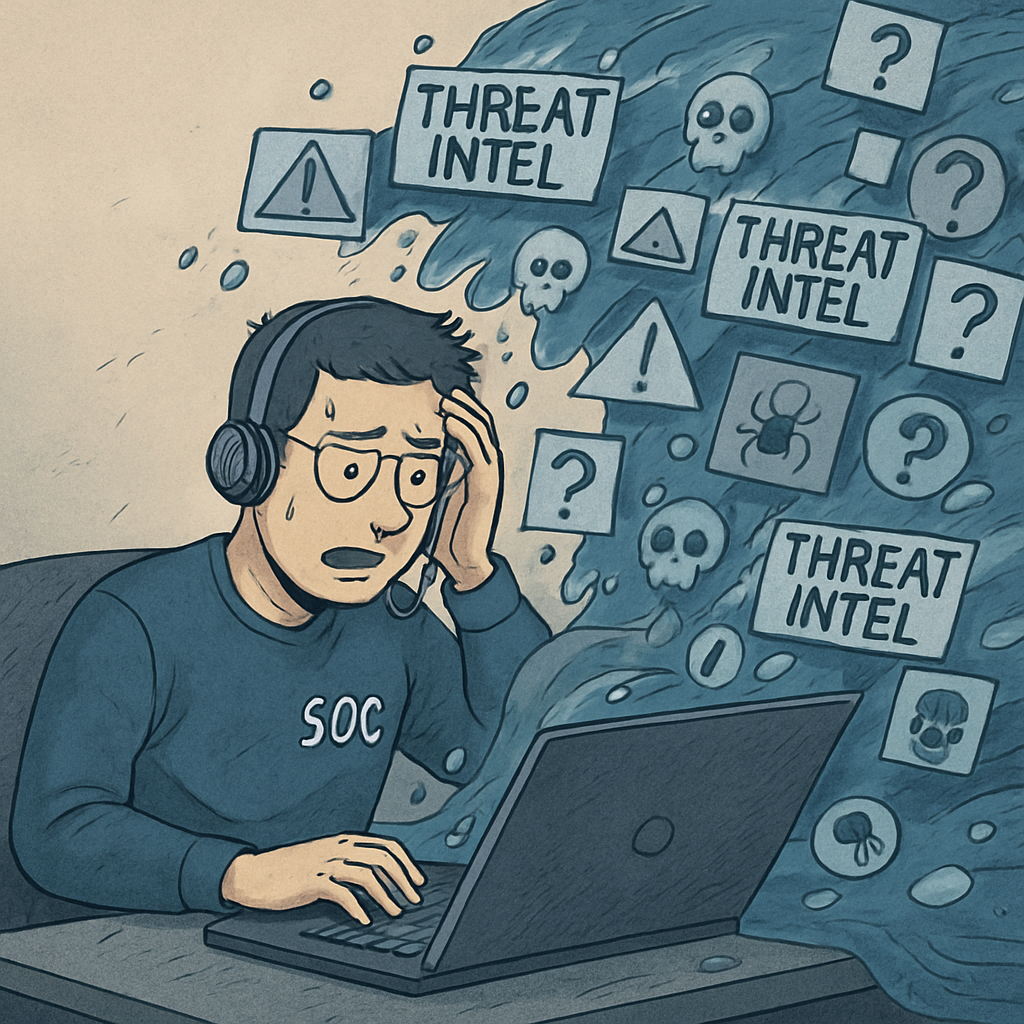
Security Operations Centers (SOCs) rely on threat intelligence (TI) feeds to enhance visibility and streamline investigations. However, these feeds frequently fail to meet expectations due to several key issues.
Lack of Context in Indicators
TI feeds often provide indicators of compromise (IOCs) such as malicious hashes or IP addresses without sufficient context. This absence of detailed information forces analysts to conduct time-consuming manual investigations to understand the nature and relevance of these indicators. Without context, determining the severity and appropriate response to a threat becomes challenging, leading to operational inefficiencies.
Rapid Obsolescence of Threat Data
Cyber threats evolve rapidly, rendering many IOCs obsolete shortly after their identification. If TI feeds do not deliver timely updates, the data becomes stale, increasing the likelihood of false positives. Analysts may waste valuable time investigating outdated threats, which can erode trust in the intelligence provided and result in critical alerts being overlooked.
Integration Challenges
Merely integrating a TI feed into existing security infrastructure does not guarantee its effectiveness. SOCs must establish clear processes for prioritizing, validating, and acting upon the intelligence received. Without well-defined objectives and success metrics, measuring the operational impact or return on investment of a TI feed becomes difficult.
To address these challenges, organizations should seek TI solutions that offer fresh, accurate, and contextualized data. For instance, some platforms provide threat data generated from real malware investigations, delivering timely, high-confidence IOCs backed by behavioral evidence. This approach enables analysts to investigate and prioritize threats more effectively.
In conclusion, while TI feeds have the potential to significantly enhance SOC operations, their effectiveness depends on the quality, timeliness, and contextual relevance of the data provided. Organizations must carefully evaluate their TI solutions to ensure they meet these criteria and align with their specific security needs.