There’s a classic adage in photography: the best camera is the one you have with you. For most of us, that means our iPhones. It’s not just convenience—being able to pull it out quickly has become indispensable for capturing moments, whether toddlers at the playground, dinner with friends, or spontaneous sunsets.
One project I’m working on recently reinforced this truth. I’m experimenting with Apple’s Cinematic Mode, arranging short clips of the Thames for B-roll in an interview-style video. I needed a handful of scenic shots—all shot along the river—to stitch together seamlessly. Rather than schedule dedicated filming time, I mined through my existing iPhone footage and found more than enough usable video—just from my walks through London. The footage matched more intentional videography than I expected. ([9to5mac.com](https://9to5mac.com/2026/08/21/the-camera-i-always-have-with-me-keeps-paying-dividends/))
That said, there are extras that elevate iPhone video when you least expect to shoot: stabilization that works hand-held, high flexibility when white balance or exposure varies, and timelapse tools that are simple to start and stop. Even for someone just out on a casual stroll, props like railings, walls, or lampposts often double as impromptu stabilizers. And when I do plan ahead, I carry a compact tripod to round out what the device offers. ([9to5mac.com](https://9to5mac.com/2026/08/21/the-camera-i-always-have-with-me-keeps-paying-dividends/))
Everyday Footage as B-roll
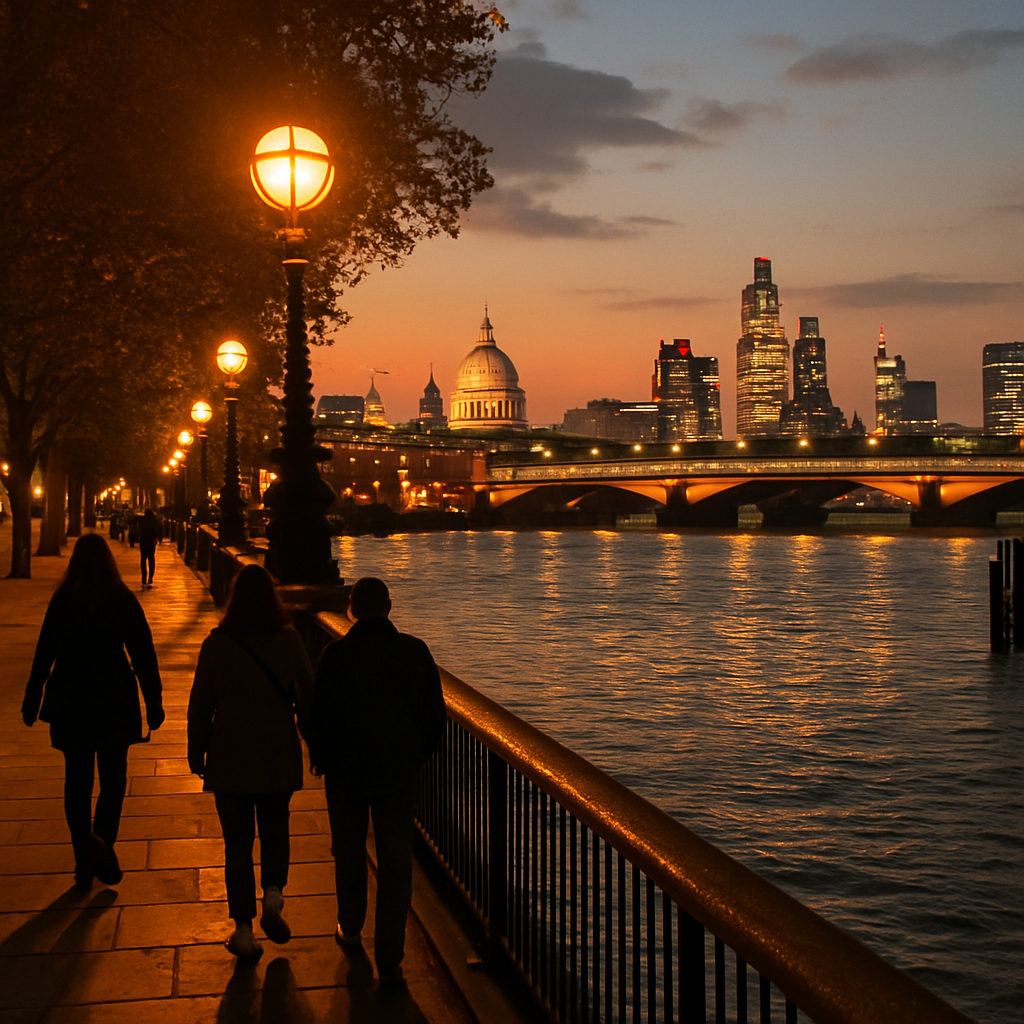
I’ve built up a personal library of clips—as short walks become visual storytelling tools. Mini sunset timelapses—just left running from a window and later weeded for the best moments—have found their place in video edits. Wandering through London in the early evening, I’ve shot scenes without thinking: reflections in water, twilight skies, misted lights along the Thames. All of it, valuable when assembling narrative content. ([9to5mac.com](https://9to5mac.com/2026/08/21/the-camera-i-always-have-with-me-keeps-paying-dividends/))
Even when unplanned encounters happen—someone’s silhouette, a stranger by the river—I’ll politely ask afterward if I can use the footage. If they have an iPhone, available for a quick AirDrop; otherwise WhatsApp often suffices. In the UK there’s no legal obligation, but to treat one’s image with respect always feels right. ([9to5mac.com](https://9to5mac.com/2026/08/21/the-camera-i-always-have-with-me-keeps-paying-dividends/))
There are limits. Ask me to pixel-peep—especially in low light—and the small sensor shows its natural weaknesses. Cinematic Mode, whose development I believe has stalled, raises questions about how far this footage can hold up under scrutiny. Still, for the majority of online viewing—on phones or laptops—what the iPhone produces is more than adequate. ([9to5mac.com](https://9to5mac.com/2026/08/21/the-camera-i-always-have-with-me-keeps-paying-dividends/))
Ultimately, it’s the pocket readiness, the near-immediacy, that wins. When time to set up lights, balance colors, or use filters feels prohibitive in a casual moment, the iPhone cuts through the friction. You can capture meaningful visuals without breaking the flow of life. And in a world awash with content creators, ‘good enough’ wide-angle or stabilized is often better than ‘perfect’ never taken. ([9to5mac.com](https://9to5mac.com/2026/08/21/the-camera-i-always-have-with-me-keeps-paying-dividends/))
This underscores a larger shift: as DSLR and dedicated cameras become tools for specialists, smartphones are pushing what it means to be a visual storyteller. Inexpensive production no longer means compromise—just a different approach. Minute snippets from walks, spontaneous timelapses, moments missed by larger setups—these are the building blocks of content today. The iPhone isn’t just always with me—it’s increasingly the backbone of how I see and share the world.