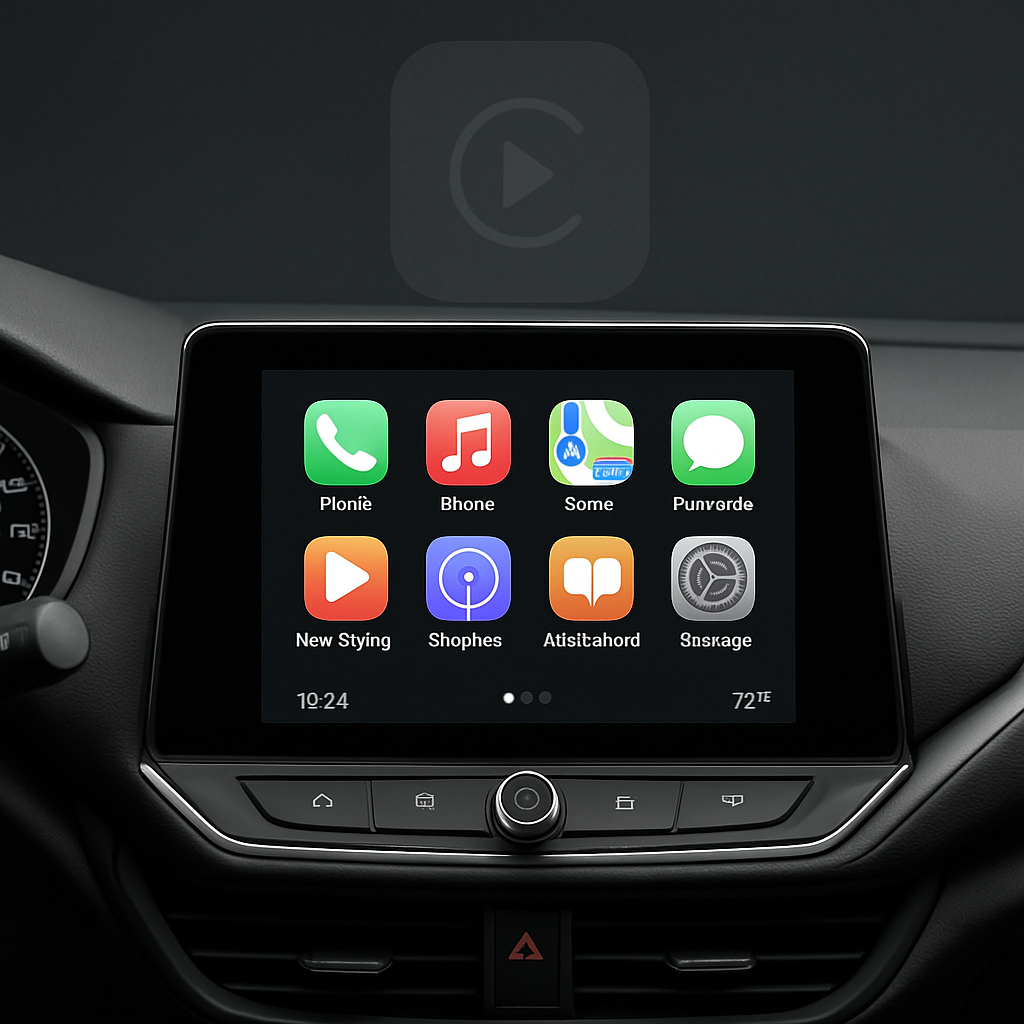
Apple’s CarPlay has become a sought-after feature for many car buyers, offering seamless integration between iPhones and vehicle infotainment systems. Despite its popularity, several major automakers, including Tesla, Rivian, and General Motors (GM), continue to resist adopting CarPlay in their vehicles. Understanding their reasons provides insight into the evolving landscape of automotive technology.
Tesla’s Stance on CarPlay
Tesla has consistently opted to develop and maintain its proprietary infotainment system, eschewing third-party integrations like CarPlay. This approach allows Tesla to have complete control over the user experience and system updates. In late 2025, reports emerged suggesting that Tesla was exploring CarPlay support, potentially introducing it as a feature within its existing interface. However, as of August 2026, no official implementation has been announced, leaving Tesla owners without CarPlay functionality.
Rivian’s Commitment to a Unified Experience
Rivian, an emerging player in the electric vehicle market, has also chosen to forgo CarPlay support. CEO RJ Scaringe has emphasized the company’s dedication to providing a cohesive and seamless digital experience within its vehicles. By controlling the entire infotainment ecosystem, Rivian aims to ensure consistency and integration across all features. Scaringe has expressed confidence that customers will appreciate this unified approach over time, suggesting that integrating CarPlay could disrupt the intended user experience.
General Motors’ Strategic Shift
In a notable move, General Motors announced in March 2023 that it would discontinue CarPlay support in its future electric vehicles. The decision was part of GM’s broader strategy to develop its own infotainment systems, aiming to enhance features such as charging infrastructure and autonomous driving capabilities. By collecting and analyzing data directly through its platforms, GM seeks to improve these functionalities without relying on external systems like CarPlay. This shift underscores GM’s focus on building a proprietary ecosystem tailored to its vehicles and services.
The reluctance of these automakers to adopt CarPlay highlights a broader industry trend where companies are striving to create distinctive and integrated digital experiences. While CarPlay offers familiarity and convenience for iPhone users, manufacturers like Tesla, Rivian, and GM are prioritizing control over their infotainment systems to deliver unique features and maintain data sovereignty. As the automotive industry continues to evolve, it remains to be seen how consumer preferences will influence these strategies and whether more manufacturers will reconsider their positions on third-party integrations like CarPlay.