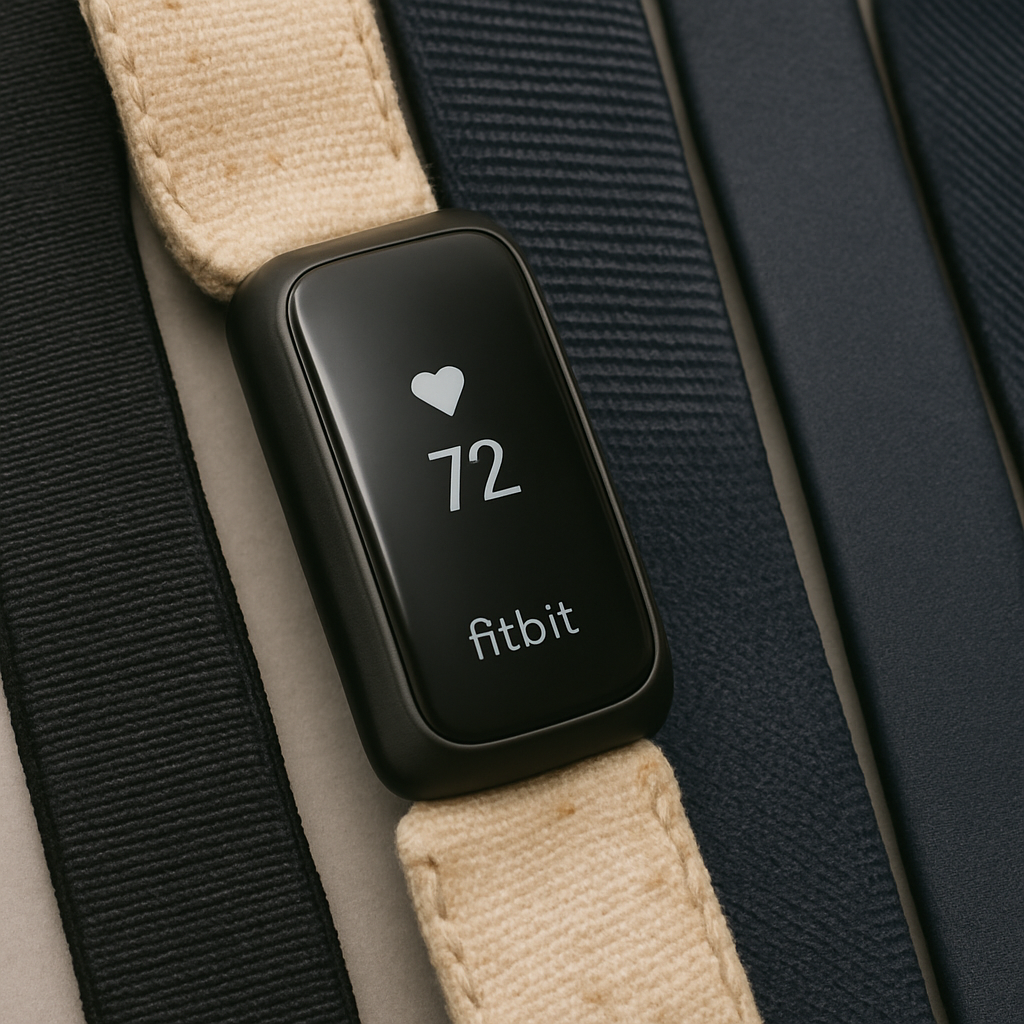
Fitbit’s Air tracker launched with a range of official bands—lightweight fabric options including a “Fog” color that’s nearly off-white. These straps cost over $30, but wearers are finding them to stain easily, discolor fast, and show grime even with everyday use. What looks clean one day can seem stained the next after something as simple as cooking or washing hands.
After getting fed up with staining on the stock Fog fabric band, one user tested cheaper third-party alternatives from Amazon. Two standout packs came from iBesky: a double pack in the UK, and a triple pack available in the US. These bands cost around $23 for two straps in the UK—far less than any official accessory.
In this case, the alternative bands deliver value by mimicking design and function closely. Though non-official, some straps closely replicate versions like the Stephen Curry-style band—the color tone is just shy of perfect, the metal clasp slightly off—but the difference is minor. And for everyday use, these budget bands handle sweat, workouts, and regular wear better than expected. The fabric holds up without obvious staining where the official Fog band failed.
The quality surprised the user to such a degree that official bands now feel like overpaying. At launch, the official strap choices were limited and expensive. Additional bands, mods, and attachments have since grown in number, but most people just want something simple, low-cost, and durable.
In short, there’s barely a reason to buy the official bands—unless you really care about perfect color matching or design details. These cheaper bands turn out to be better in many practical regards: less prone to visible wear, much cheaper per set, and good enough in looks and feel.
What this means is that Fitbit may want to rethink its accessory pricing strategy. It’s clear that for many users, cost and durability matter more than brand-name polish. When the community can deliver high-quality alternatives at a good price, official options lose their appeal. Going forward, watch how both Fitbit and third-party makers respond—whether cheaper fabric colors improve, or official bands drop in price to stay competitive.