The biggest threat AI startups face today isn’t another small competitor—it’s the platforms underneath them. As industry giants like OpenAI, Anthropic, and Google crank out new capabilities every few months, product features once considered differentiators risk becoming baseline. This epochal shift forces founders to rethink everything from product strategy to unit economics.
The Defensibility Dilemma: Beyond Smart Models
Startups are no longer just competing with each other. They’re competing with the very foundation models that power the AI ecosystem. What counts isn’t simply having a clever model—it’s the proprietary edge you can’t easily replicate. Things like unique customer workflows, exclusive data, industry knowledge, and long-term trust matter now more than ever. These are the assets that will decide which companies become table stakes and which survive as standalone businesses.
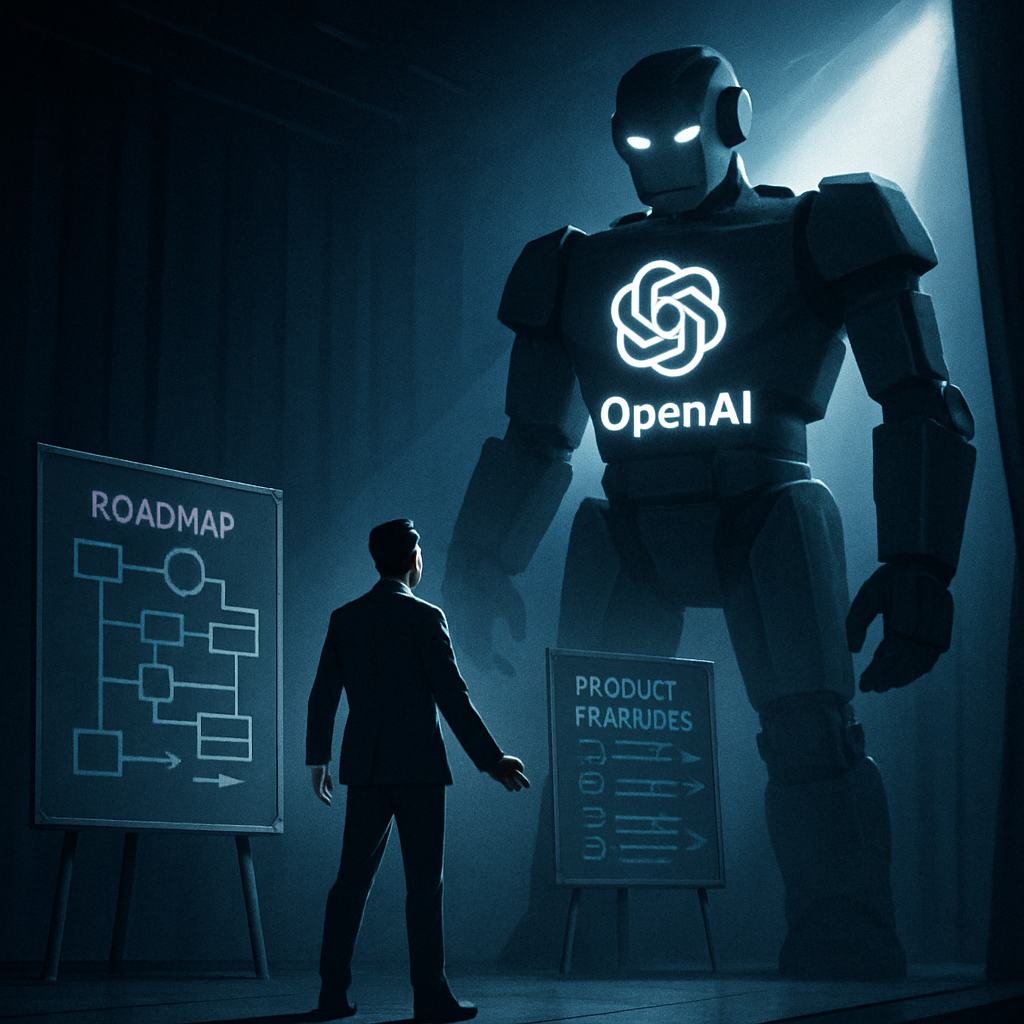
For founders, the core question is shifting. It used to be “Can we build it?” Now the question is “Can we still own it once a model giant adopts it?” Much of the session at Disrupt 2026 will explore how AI founders can stay relevant when the platforms they rely on start shipping features that mirror their roadmap.
Three Perspectives, One Urgent Question
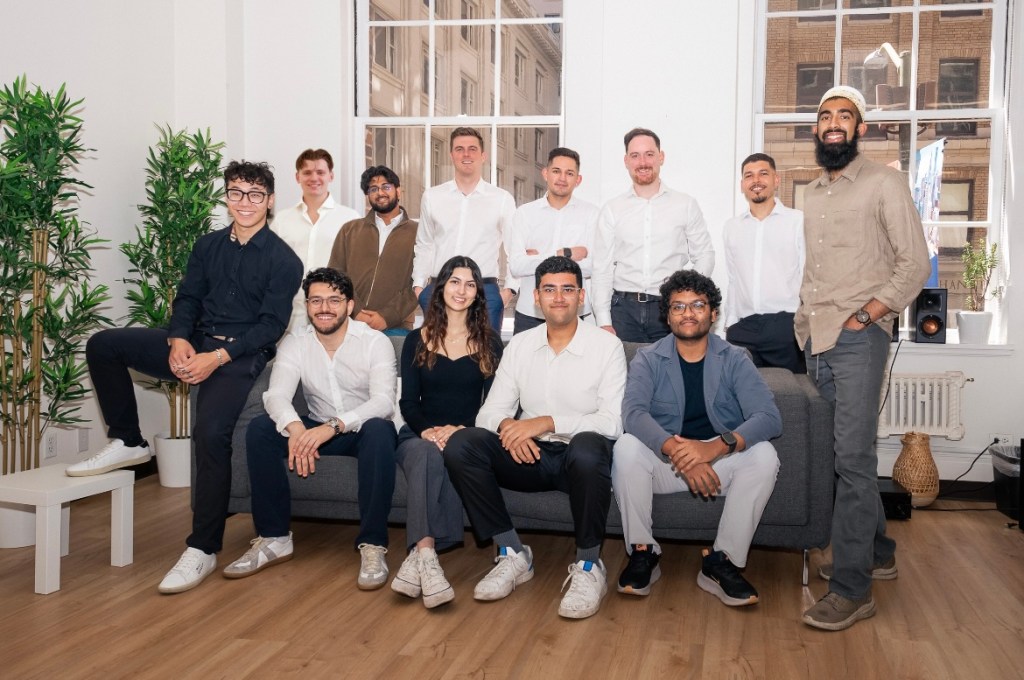
The Builders Stage at Disrupt 2026 will host a powerful conversation featuring a founder, an investor, and an operator—all grappling with the same threat: what happens when your roadmap ends up in someone else’s product brief.
Michel Tricot, co-founder and CEO of Airbyte, offers insight from running one of the most rapidly adopted data integration platforms—now used by over 7,000 companies including almost 20% of the Fortune 500. He can speak to where long-term value lives beyond the models themselves. Linda Tong, CEO of Webflow, brings experience from scaling a visual development platform through upheavals in SaaS and design, having also worked with large tech firms. And Rob Toews, a partner at Radical Ventures, shares the investor lens—spotting what gives some startups true staying power while others fade into feature rollouts by the big platforms.
Together, they will examine how AI companies build defensible moats around their work: how to preserve differentiation, control, and value in a world where thousands of model updates blur the boundary between product and platform.
Practical Paths to Enduring Value
The fast-moving world of foundation models guarantees that even if you release something novel today, it may be baseline in six months. So what makes a startup resilient?
- Deep domain expertise: Know the niche you serve—its specific workflows, regulation, and needs.
- Proprietary data: Unique information that platforms don’t have, can’t replicate easily, or can’t access due to privacy/regulatory constraints.
- Embedded workflows and customer trust: Keep the lock-in not through friction, but by becoming essential in how your users work.
- Clear defensibility built into your business model: Positioning for when platform players introduce overlapping capabilities means either doubling down on something they’ll find hard to replicate—or pivoting proactively.
The Disrupt session titled “What Happens When OpenAI Ships Your Roadmap” (October 13-15, Moscone West, San Francisco) will tackle how founders can resist becoming features. It aims to help them see where defensibility still exists, what enterprise and startup customers genuinely value, and how to build companies that remain relevant as AI evolves.
The shift isn’t theoretical—it’s already happening. Giants are regularly shipping features that mirror startup roadmaps. The question for AI founders isn’t whether models will keep advancing. It’s whether their businesses can generate value after those advances. Because the danger isn’t building something weak; the danger is building something strong that eventually becomes someone else’s checkbox.
Analytical angle: In this era of rapid model deployment, startup differentiators are becoming more nuanced. The winners will be those who build in areas where scale advantages alone—automation, compute, data—give AI giants a natural edge, and use unique assets to compete around areas the giants can’t easily touch. The question of defensibility isn’t just about surviving the next model release—it’s about ensuring your core value remains when your roadmap becomes someone else’s roadmap. That framing changes what investors, founders, and product leaders prioritize—starting now.