Marissa Mayer, former Yahoo CEO and early Google engineer, is under fire for comments about her AI assistant, Dazzle, which she claims helped her write up bullet points about her young child’s personality—“empathetic, creative, and an animal lover”—to use in a school presentation. Many critics say those descriptors are vague and could apply to almost any kid. The episode has raised questions about whether many AI leaders are disconnected from how most people use, or fail to use, technology.
Mayer has defended herself by saying she was exploring what the prototype could do—e.g. bringing up old photos like a kindergarten project to help illustrate creativity. But in the same interview, she floated the idea that such an app might plan birthday parties, coordinate playdates, and even align events with her husband’s AI assistant. When asked if it feels strange to lean so heavily on AI for daily family matters, she said she hadn’t thought it through.
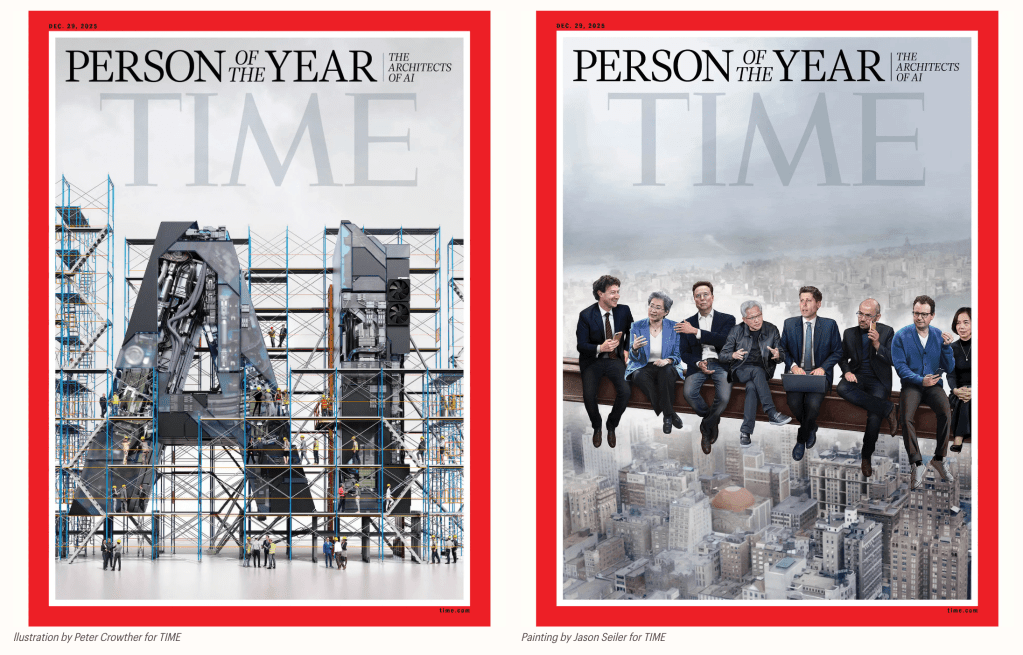
This isn’t the first time a high-profile tech leader has raised eyebrows by suggesting AI should handle intimate tasks. Sam Altman previously suggested raising a newborn using ChatGPT, and proposed AI could remind people of their kids’ extracurriculars or talk about what they’re into—all roles many feel are deeply human, not programmable.
Mark Zuckerberg has also weighed in, sharing his belief that many people are lonely—with an average person having fewer than three close friends—and that AI holds promise to fill emotional voids. He has pushed toward AI avatars, romantic bots, and therapy aides, arguing that evolving virtual connections might become the “new norm.”
Why People Worry These Ideas Miss the Mark
Research shows many Americans are apprehensive about AI eating into real personal relationships. A Pew survey found that half of U.S. adults believe AI will hurt their ability to form meaningful connections, while only 5% expect it to help.
Critics argue what’s missing from the mindset of many tech execs is a sense of how most people actually want to live—not metrics, productivity gains, or aesthetic prototype examples. They raise concerns that framing family life, friendship, and emotional care as tasks to optimize or outsource risks diminishing the messy, unpredictable beauty of human interaction.
Efficiency and automation have dominated tech culture for years. But when applied to human relationships—things that thrive on imperfection—over-optimization can feel alienating. This tension grows sharper when the people making these tools are removed from what the tools are meant to serve.
Some in Silicon Valley appear to take criticism in stride, treating skepticism as “outrage theater” rather than serious feedback. When Mayer defended her app on X, she clarified that she isn’t relying on Dazzle to replace parental intuition—but to reveal reminders and inspirations she might otherwise forget. Still, she also floated a future where these assistants make decisions about party themes or vacation plans. That mix of promise and ambiguity seems to fuel most of the unease.
This isn’t just a critique of one company or a founder—it strikes at the heart of how AI is being positioned for everyday life. If the people building the future are too disconnected from everyday concerns or emotional complexity, they risk making products that feel alien rather than helpful.
What this means: Developers and executives need to bridge the gap between idealized AI prototypes and lived human experience. If the industry hopes for mainstream adoption and trust, it must design tools that honor, not sideline, the emotional and relational core of daily life. Users deserve assistants that amplify, not replace, their humanity. And what to watch next: how companies include diverse voices during design, handle emotional labour, and set boundaries between efficiency and intimacy in AI tools.