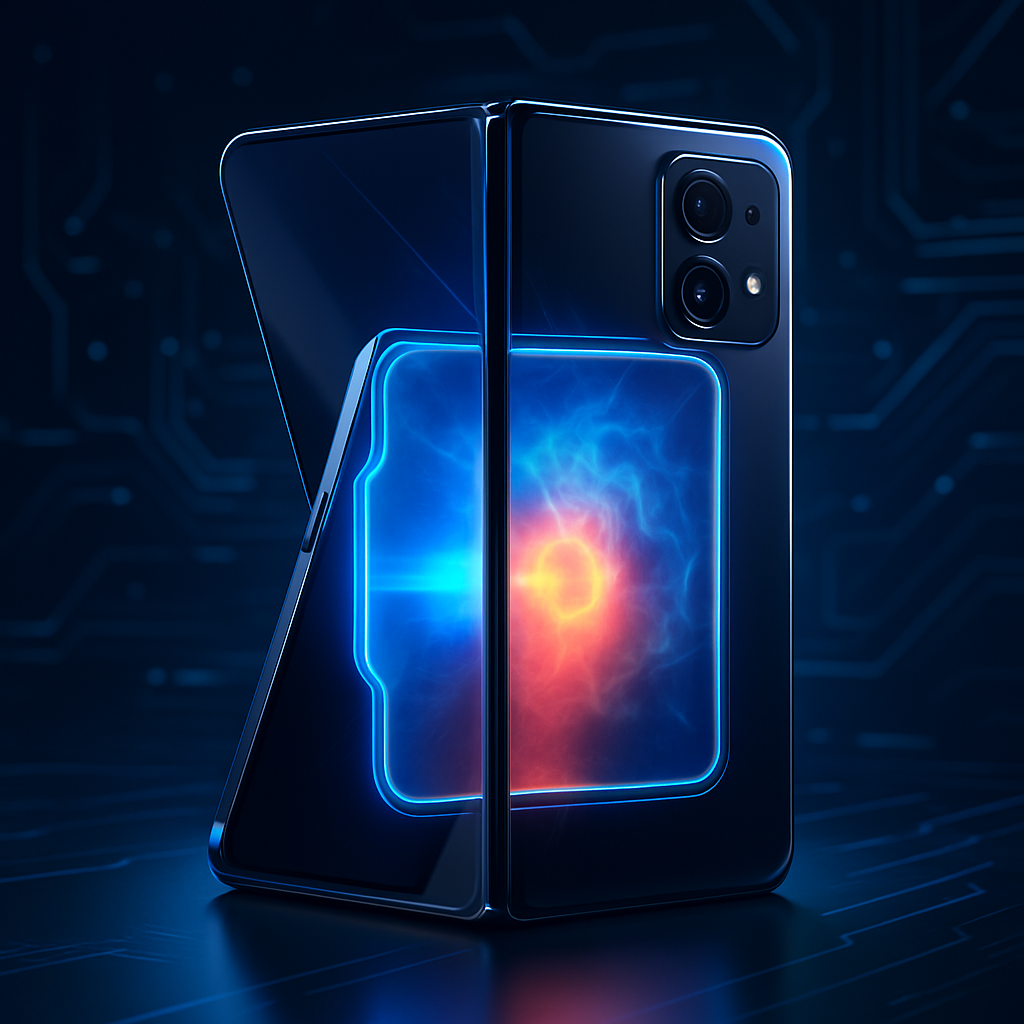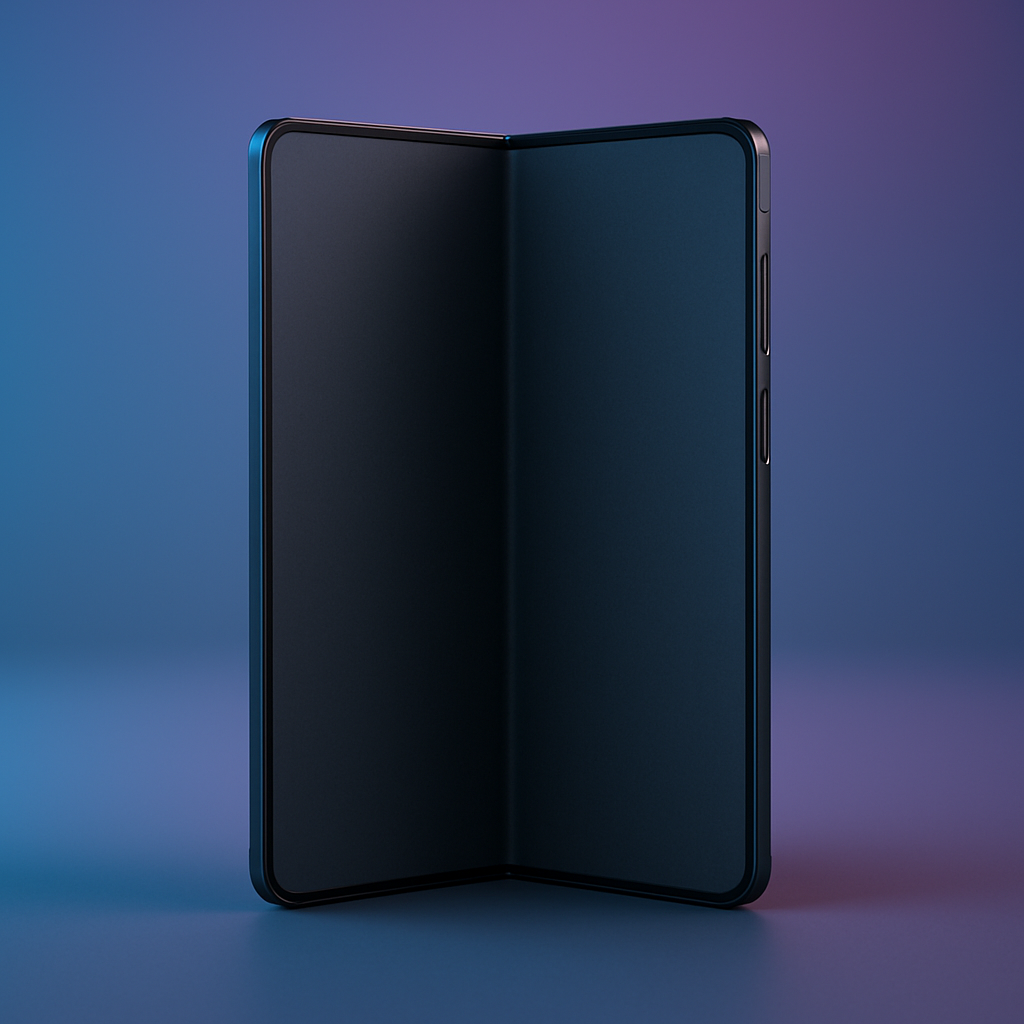
Apple’s just-announced iPhone Duo introduces a bold foldable design that cuts some familiar features but brings fresh innovations to make up for the trade-offs. The slimmest foldable device in Apple’s history, it draws heavily from the recently launched iPhone Air—while also going beyond it in surprising ways.
What’s Missing from the Duo (and Why)
To achieve its ultra-thin foldable form, Apple had to omit several components that users of premium iPhones have come to expect. First up: the long-range telephoto lens. Due to the design constraints of thinning the chassis, Apple couldn’t fit one into the Duo. Along similar lines, full Face ID support was dropped because fitting the necessary sensors on multiple sides proved physically impractical in such a slim, folding frame.
Some compromises concern the inner display. It isn’t made of unbreakable glass, but a custom composite: a multi-layer display with a nano-textured plastic top. While the panel looks and performs well—especially in daylight because of its matte finish—the folding nature means a crease will form over time. That’s an unavoidable feature of foldables.
What Duo Delivers Instead
Despite its losses, the iPhone Duo comes packed with several new features that go beyond what the Air offered. It offers about 24 hours of mixed-use battery life by combining two batteries. Fast charging is supported: a 60W adapter gets you to 50% charge in around 20 minutes. There’s IP68 protection against water, dust, and splashes. And, pioneering for Apple, the Duo supports FaceTime through an under-display camera when the device is unfolded.
Touch ID has also returned in lieu of Face ID. While Face ID remains Apple’s more secure authentication method, Touch ID is presented as a capable alternative. If users wear gloves, have difficulty with fingerprint scanners, or are left-handed, there’s also the option of Apple Watch authentication. As for MagSafe, it’s still present—but the layout is different. The bottom stabilizer magnet may be absent, and existing wallets and battery packs designed for conventional iPhones may not align perfectly with the Duo’s “squat” shape.
Other enhancements include the A20 Pro chip paired with vapor chamber cooling, an Apple Pencil that works via USB-C, and new software features tuned for the Duo’s foldable structure—such as Duo Preview and custom layouts for its unique aspect ratios. The device also includes top-tier connectivity like Wi-Fi 7 and Bluetooth 6, along with safety tools users expect: crash detection, satellite-based SOS and emergency services, and Roadside Assistance.
Why This Strategy Matters
The iPhone Air was Apple’s experiment in thin-and-light phones, pushing the envelope in portability—often at the expense of battery size, camera versatility, or other hardware. Duo extends this philosophy but tries to tackle its biggest criticisms head-on. Thinness and elegance remain priorities, yes—but pairing those with decent battery life, ruggedness, and core features gives it a more balanced proposition.
Of course, Apple has leaned conservative in several places. The lack of Face ID, crease in the display, shape-compatible MagSafe design—these are compromises that not all users will accept. But for many, the trade-offs may be worth it for foldable form factor, new interaction modes, and refreshed hardware where it counts. What remains to be seen is how third-party accessories adapt, and how durable that inner display ends up being in daily use.