In the past week, several significant cybersecurity developments have emerged, highlighting the evolving tactics of cybercriminals and the vulnerabilities within widely used technologies.
Disruption of NetNut Residential Proxy Network
Google, in collaboration with the FBI, Lumen, and other partners, has taken decisive action against the NetNut residential proxy network, also known as Popa. This network, estimated to encompass at least 2 million devices globally, primarily consists of home devices such as smart TVs and streaming boxes. Cybercriminals exploited these devices to route malicious traffic, effectively masking their activities. The devices were either pre-installed with malware before purchase or infected through user-downloaded applications containing hidden proxy code. Google’s intervention included disabling associated Google accounts and services used by NetNut for command-and-control operations, as well as updating Google Play Protect to mitigate further exploitation.
Emergence of Browser-Based Ransomware
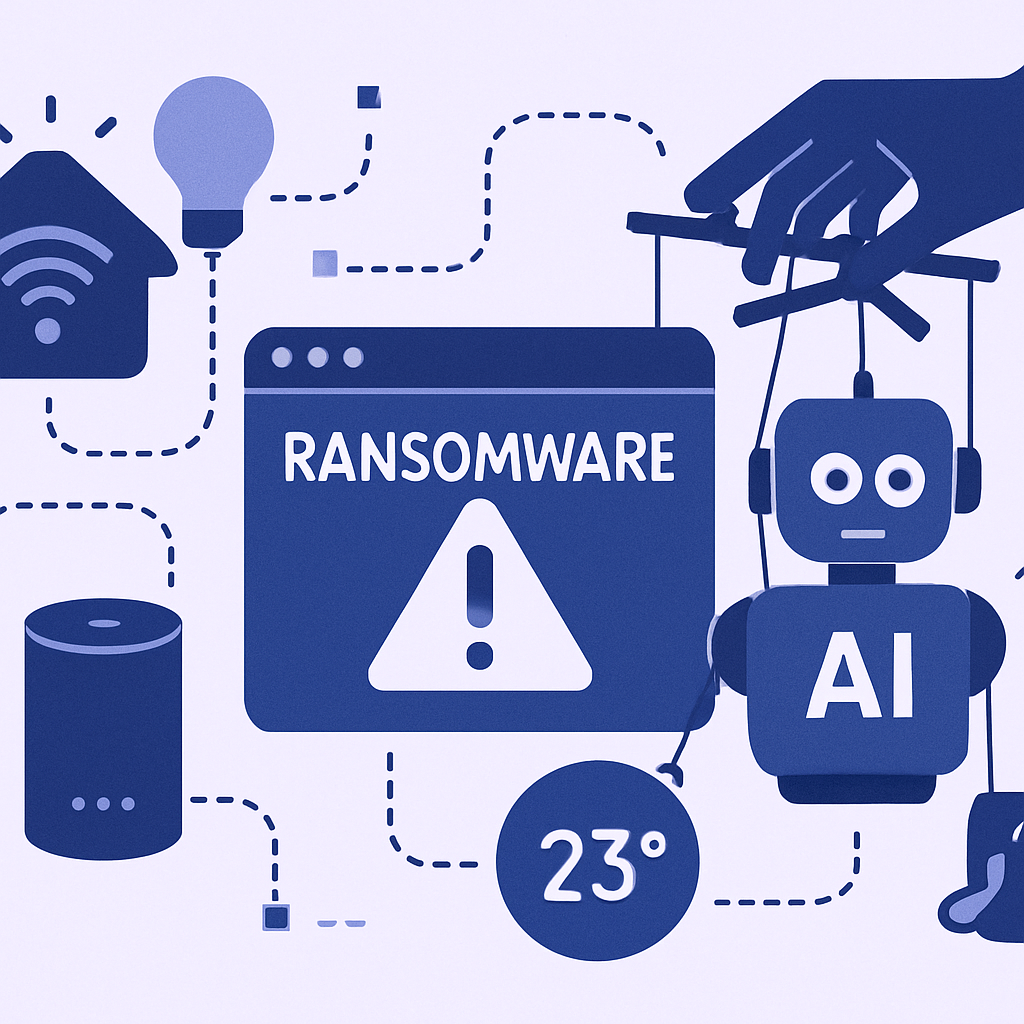
Cybersecurity researchers have identified a novel form of ransomware that operates entirely within web browsers across multiple platforms, including Windows, Linux, macOS, and Android. This malware leverages the Chromium API to execute its payload, encrypting user data directly through the browser. Notably, this attack vector bypasses traditional security measures by exploiting browser functionalities, underscoring the need for enhanced browser security protocols and user vigilance when granting permissions to web applications.
Exploitation of AI Agents via Malicious Tool Descriptions
Recent research has unveiled a method by which attackers can manipulate AI agents by embedding malicious instructions within tool descriptions. By poisoning these descriptions, adversaries can deceive AI systems into leaking sensitive data or performing unintended actions. This technique highlights the importance of scrutinizing the inputs and dependencies of AI systems to prevent exploitation through seemingly benign components.
These incidents collectively emphasize the critical need for robust security measures across various technological domains. The exploitation of everyday devices for proxy networks, the development of browser-based ransomware, and the manipulation of AI agents through indirect means all point to the increasing sophistication of cyber threats. Users and organizations must remain vigilant, regularly update their systems, and adopt comprehensive security practices to mitigate these evolving risks.