Waymo’s robotaxi network is surging in size and reach, with dramatic growth concentrated in just a few states. In September 2024 the service was live in three U.S. cities—Phoenix, Los Angeles, and San Francisco. Now that coverage has grown to 15 cities nationwide, with most launches happening within the past year. The company is now providing some 500,000 paid rides per week via its autonomous vehicle fleet.
Even so, the distribution of that fleet is far from even. Roughly 80% of Waymo’s approximately 4,000 robotaxis are deployed in California and Texas alone. An especially brisk ramp-up has occurred lately in Texas, where the number of Waymo vehicles rose about 49% over just three weeks, partly driven by Ohai minivans, a new China‐built model designed for scalability. As of September 24, there were 1,102 such autonomous vehicles registered in Texas.
From EV SUVs to Purpose-Built Minivans
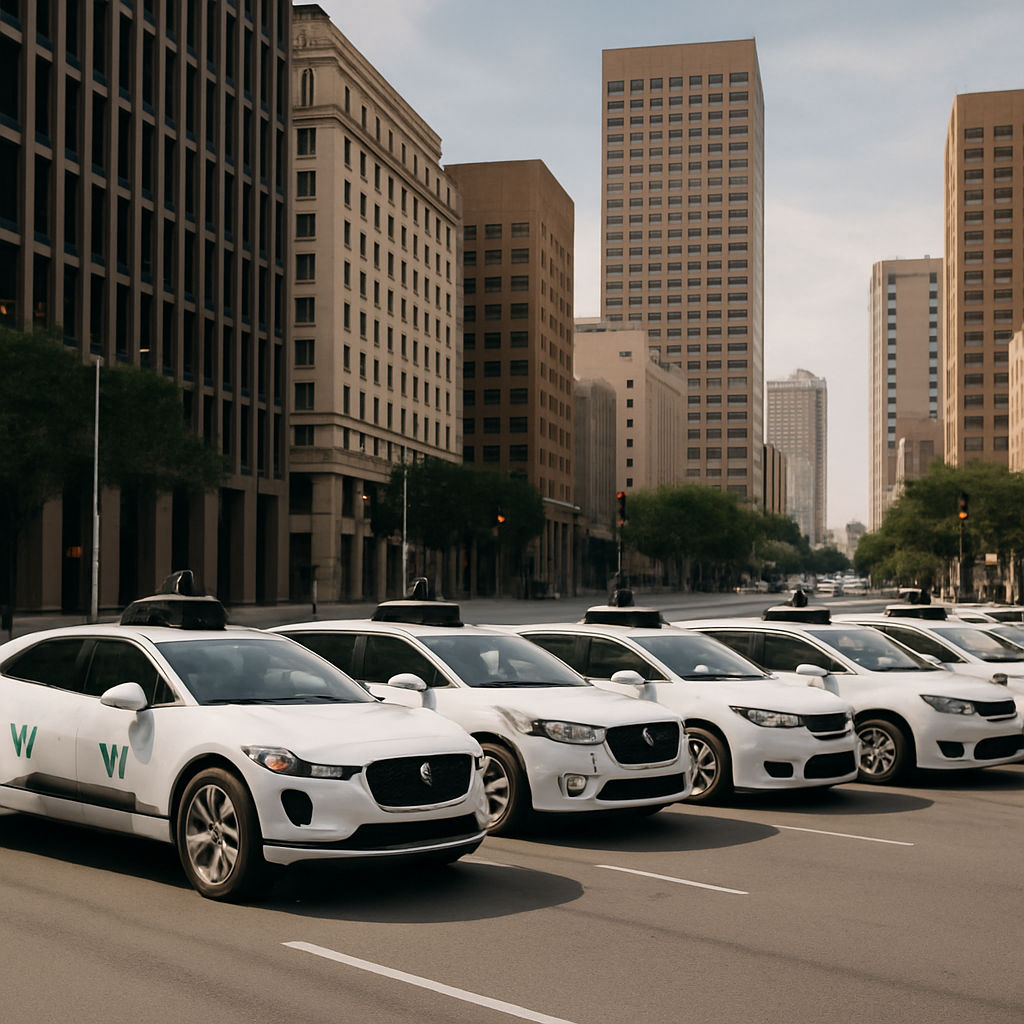
Outside California and Texas, the remaining ~800 robots are spread across cities in Arizona, Florida and other states. Early vehicles were mostly white Jaguar I-Pace electric SUVs, but this is shifting. A growing share of the fleet now consists of Ohai minivans—a modification of Zeekr RT models—branded and upgraded by Waymo with enhanced rider interfaces and Google’s Gemini AI assistant.
The Ohai rides on Zeekr’s SEA-M platform, designed for high-use cases like robotaxis and delivery vehicles. Base Zeekr vehicles are shipped into the U.S. stripped of connected-car tech and then fitted with Waymo’s sixth-generation self-driving stack at the company’s Arizona facility. While these minivans are meant to drive down operational costs and pave a path toward profitability, import tariffs on Chinese-built vehicles are diminishing some of the savings. Despite that, Waymo appears prepared to absorb those costs to accelerate expansion.
Where Next for Waymo’s Expansion?
Waymo first rolled into Texas in March 2025 via a partnership in Austin, enabling riders to hail robotaxis through Uber. The company later added Dallas, Houston, and San Antonio to its Texas footprint. California remains a stronghold through existing deployment and local familiarity with advanced tech.
Looking ahead, the Ohai fleet is poised to grow substantially. A recent shipping analysis projects that Waymo is on track to import about 5,100 Ohai vehicles into the U.S. by year-end. Besides Texas, Florida—which already hosts Waymo service in three cities—is likely to see a boost in Ohai deployments. Newer markets like Las Vegas are also expected to receive the minivans.
Waymo’s rapid scaling in vehicle numbers and service area illustrates just how aggressively the autonomous mobility industry is moving to establish scale. California gives access to innovation-minded users; Texas offers both regulatory space and demand. The challenge now is ensuring that this growth translates into long-term efficiency—balancing cost pressures like tariffs, vehicle durability, and rider experience against the potential for robotaxis to become a profitable business rather than just a high-cost experiment.