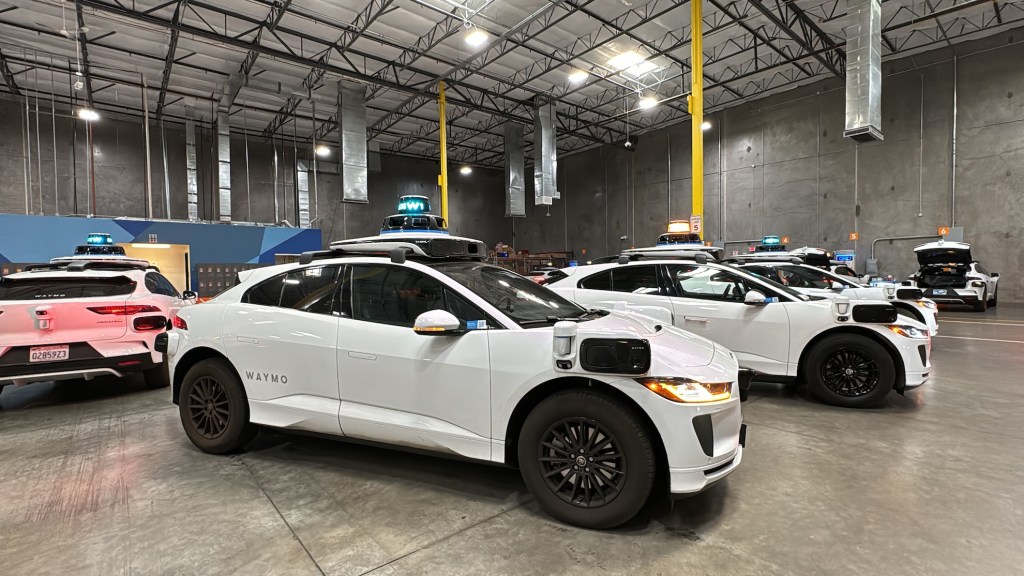
Waymo’s Retired Robotaxi Batteries to Power California and Texas Grids
In a groundbreaking move, Waymo, the autonomous vehicle subsidiary of Alphabet, has partnered with energy storage firm B2U to repurpose its decommissioned robotaxi batteries for electricity grid support in California and Texas. This initiative addresses the critical issue of managing the lifecycle of electric vehicle (EV) batteries, offering a sustainable solution that extends their utility beyond vehicular use.
The Challenge of EV Battery Lifecycle Management
As the adoption of electric vehicles accelerates, the industry faces the pressing challenge of handling batteries at the end of their automotive life. Traditionally, options have been limited to recycling, which, while beneficial, involves complex processes and energy consumption. Repurposing these batteries for secondary applications, such as grid storage, presents a more efficient and environmentally friendly alternative.
Waymo’s Fleet and Battery Repurposing
Waymo’s extensive fleet primarily comprises Jaguar I-Pace electric SUVs, with recent additions of Zeekr-manufactured vans. The company has not disclosed the exact number of vehicles in operation, but the scale suggests a substantial volume of batteries reaching the end of their automotive service life. By collaborating with B2U, Waymo plans to deploy hundreds of megawatts of storage capacity, though specific figures remain undisclosed.
The Role of B2U in Battery Repurposing
B2U specializes in giving EV batteries a second life by converting them into energy storage systems. This process involves assessing the health and capacity of used batteries, reconfiguring them into storage units, and integrating them into the power grid. Such systems can store excess energy during periods of low demand and release it during peak times, thereby enhancing grid stability and efficiency.
Industry Trends and Environmental Impact
The concept of repurposing EV batteries is gaining traction within the industry. Companies like Redwood Materials, founded by former Tesla CTO JB Straubel and backed by Alphabet, have initiated similar projects. These efforts align with global sustainability goals by reducing waste and maximizing resource utilization.
Implications for the Energy and Automotive Sectors
Waymo’s initiative signifies a pivotal shift in how the automotive and energy sectors can collaborate to address environmental challenges. By extending the life of EV batteries through grid storage applications, companies can reduce the environmental impact associated with battery production and disposal. This approach also offers economic benefits by providing a cost-effective means of enhancing grid capacity without the need for new battery production.
Future Prospects and Challenges
While the repurposing of EV batteries for grid storage holds promise, it is not without challenges. Ensuring the safety and reliability of aged batteries, developing standardized processes for assessment and integration, and navigating regulatory landscapes are critical factors that need to be addressed. However, the success of initiatives like Waymo’s partnership with B2U could pave the way for broader adoption of similar practices across the industry.
Conclusion
Waymo’s collaboration with B2U to repurpose retired robotaxi batteries for grid storage in California and Texas exemplifies an innovative approach to sustainable energy solutions. By extending the lifecycle of EV batteries, this initiative not only addresses environmental concerns but also contributes to the stability and efficiency of the power grid. As the automotive industry continues to evolve, such partnerships may become integral to achieving a more sustainable and resilient energy future.