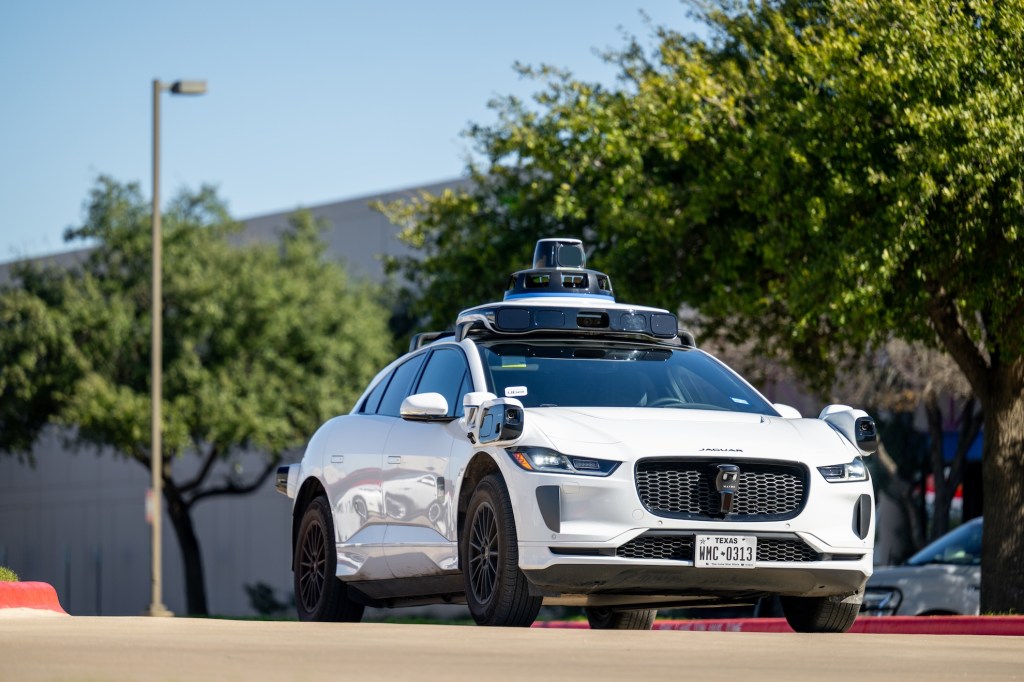
Waymo Leads Texas Autonomous Vehicle Registrations, Surpassing Tesla
In a significant development within the autonomous vehicle (AV) sector, Waymo has emerged as the frontrunner in Texas, registering nearly 600 self-driving vehicles. This figure substantially surpasses those of competitors such as Avride, Nuro, Tesla, and Zoox, as per data from a newly launched website by the Texas Department of Motor Vehicles (DMV).
The DMV’s automated vehicle tracker, introduced in compliance with a new state law effective May 28, mandates AV companies to register their fleets and provide safety information. This initiative offers the public a transparent view of the autonomous vehicles operating within Texas.
According to the latest data, Alphabet-owned Waymo has registered 577 autonomous vehicles in Texas. Following Waymo, Avride has 317 vehicles, Nuro 47, and Tesla 42. Notably, Tesla, which launched its robotaxi service in Austin last summer and has since expanded to Dallas and Houston, lags behind in registrations. Additionally, Volkswagen subsidiary MOIA has registered a fleet of 12 electric, autonomous microbuses in the state.
While fleet size is a critical metric, it doesn’t fully capture a company’s operational status. For instance, some companies like Nuro and Zoox are not yet offering commercial services. Moreover, the data doesn’t specify how many vehicles are actively in use. Earlier this month, Waymo temporarily halted operations in certain Texas cities due to challenges its vehicles faced with flooding conditions.
Despite these nuances, Waymo’s substantial presence in Texas is evident. The company launched its commercial service in Austin in March 2025 and has since expanded to Dallas, Houston, and San Antonio. This growth trajectory underscores Waymo’s commitment to establishing a robust footprint in the state.
The DMV’s website also sheds light on the autonomous trucking sector. Aurora, a publicly traded company that initiated its commercial driverless trucking operations in May 2025, has registered 91 self-driving trucks. Competitors Kodiak AI and Waabi have 33 and 13 self-driving trucks, respectively. Gatik AI, focusing on self-driving mid-sized trucks, has a fleet of 64 vehicles.
This comprehensive data provides valuable insights into the evolving landscape of autonomous vehicles in Texas, highlighting the state’s pivotal role in the advancement and deployment of self-driving technology.