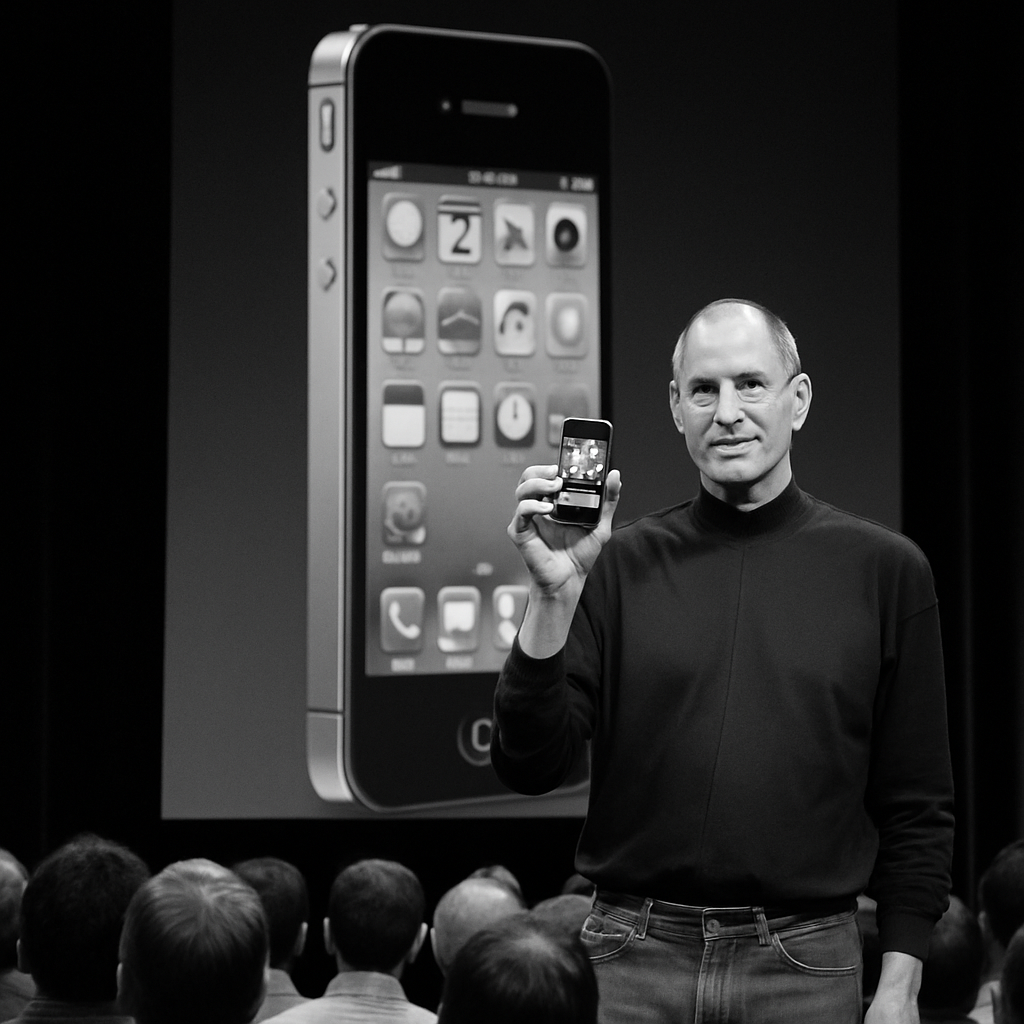
Back in 2010, the iPhone 4 was at the center of a notorious signal-loss controversy—when held a certain way, its antenna bar would lose connectivity. To respond, Apple held an emergency event, where Steve Jobs delivered a now-famous speech and addressed media questions. Until now, only parts of that event—about 34 minutes—have been publicly available. But the entire Q&A session from that gathering, adding roughly 47 minutes, is now online.
The Rest of the Story Surfaces
The newly surfaced video picks up exactly where previous versions ended—the moment Jobs wraps up his formal presentation and begins taking questions. Over the years, snippets made their rounds, including one official upload featuring Jobs’ presentation plus the crowd-sung “Antenna Song” by Jonathan Mann. That version ends before Jobs‘ unscripted responses in the Q&A portion. The full session—long lost to most listeners—is now accessible, though likely not permanently, considering it’s not officially endorsed by Apple.
Some of Jobs’ remarks today seem quaint—he refused to apologize to investors over stock drops caused by the antenna issue. Instead, he urged long-term trust and defended innovation even amid setbacks. He also emphasized that software, not just hardware, shapes great devices, arguing that Apple’s strength depends on what runs within its phones. The tone throughout Q&A is candid but also composed—Jobs weighs his words while fielding pointed criticism.
Why It Matters Now
Partly for nostalgia, partly for tech history: this event reflects a time when Apple was under acute pressure to defend its design choices—something interest in Apple’s past has made newly relevant. Notably, in 2025, a developer refreshed the conversation by discovering what precisely caused the iPhone 4’s signal trouble—and the verdict was that Jobs’ famous line about “holding it wrong” was off the mark. You actually weren’t holding it wrong after all.
This video has been traced to journalist John Gruber, who was at the live event and first noticed the upload. Because it’s unauthorized, the full Q&A could be taken down soon. But for now, the complete footage offers fresh insight into how Steve Jobs both confronted criticism and shaped public perception during one of Apple’s defining crises.
Even though none of the answers matter much operationally today, the way Jobs handles the heat—steady, unapologetic, with occasional moments of humility—resonates. For those interested in product design, reputation management, or leadership under scrutiny, this clip is a valuable artifact. Watch it while you still can; it’s Apple history in its rawest form.
What’s Behind the Signal Myth
At the time, Apple tried to soften fallout by offering free bumper cases, costing an estimated $175 million. Critics—including rival phone makers—challenged Jobs’ dismissals of the controversy, and the narrative that consumers were at fault for how they held the phone. Much later, however, technical investigation revealed the true cause was deeper.
Software, hardware, materials—modern devices juggle all three. Jobs argued that Apple excelled at software, and that strength made it more than just a hardware maker. But in retrospect, the antenna issue showed how fragile the perceptions around design and user control can be—and how they can ricochet back years later.
This newly available Q&A doesn’t rewrite what we know about “Antennagate,” but it does flesh out a fuller portrait of Steve Jobs under pressure—his style, defenses, and when he doubled down or stepped back. It’s part apology, part combative performance. It matters not for what it means today, but for how it shaped what came next.
The deeper significance lies in how technology companies learn—or don’t—from critical missteps. Even iconic leaders with legendary status can misjudge a problem. Tracking how those moments evolve helps us understand everything from product-failure responses to how brands maintain trust. This video isn’t just archival—it’s a reminder: history matters, because today’s controversies will become tomorrow’s lessons.