Apple just gave the world its first look at what a truly interactive MacBook Pro feels like. During an overnight livestream event dubbed “Labrinth Live on Mac,” musician Labrinth composed a track from scratch using the all-new MacBook Pro with PROLED XDR Display and Logic Pro. The performance, held at Apple’s Tower Theatre in downtown LA, kicked off November 4 at 8 p.m. Pacific / 11 p.m. Eastern and ran for nearly four hours, letting viewers watch and ask questions in real time. The finished song will drop next week on Apple Music.
Touch + Audio Creation: A Showpiece for PROLED XDR Display
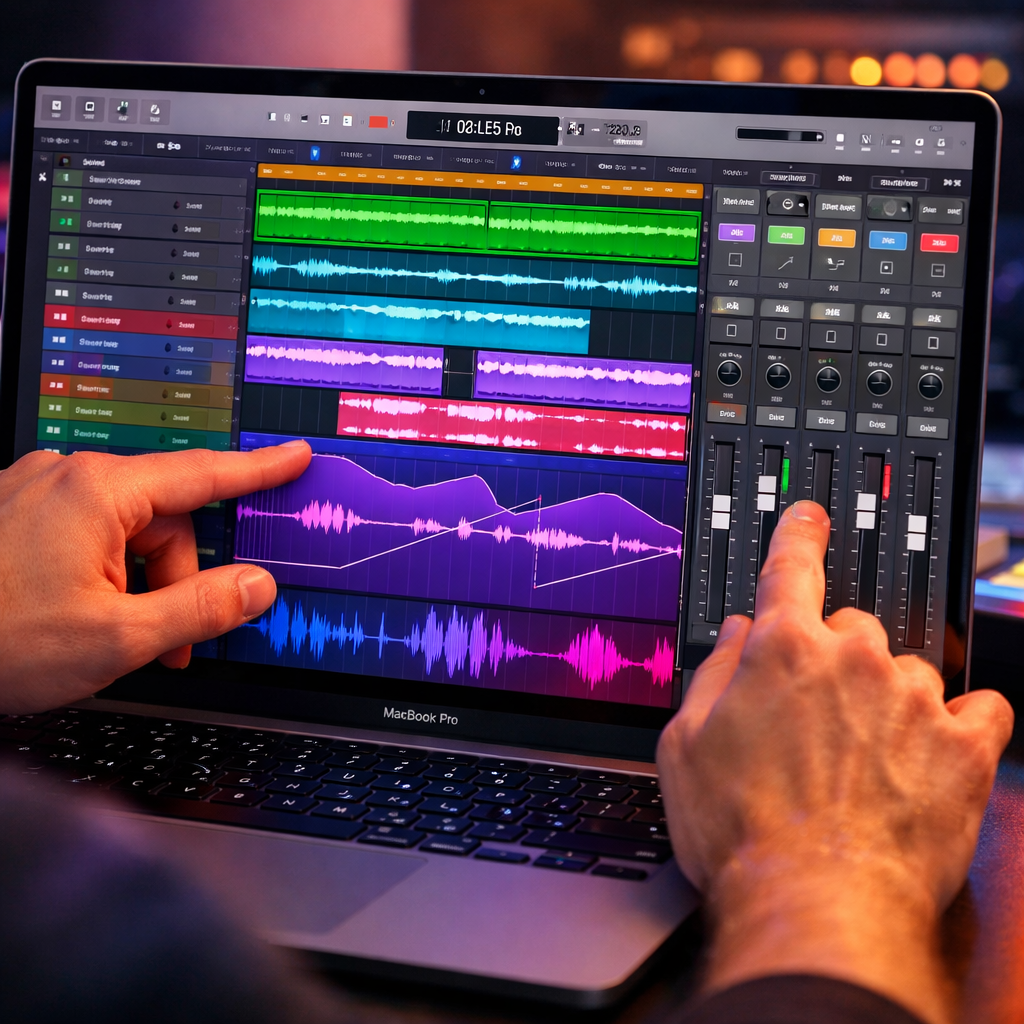
This live-showcase wasn’t a one-off. It was a deliberate demo of the new MacBook Pro’s signature feature: a built-in touchscreen for the first time in a Mac. Labrinth was seen reaching on-screen to control Logic Pro’s mixer, move tracks, and play virtual instruments like chord pads, drum pads, and the onscreen keyboard—all touch-enabled, backed by Apple’s new PROLED XDR Display.
Specs, Pricing & Launch Date
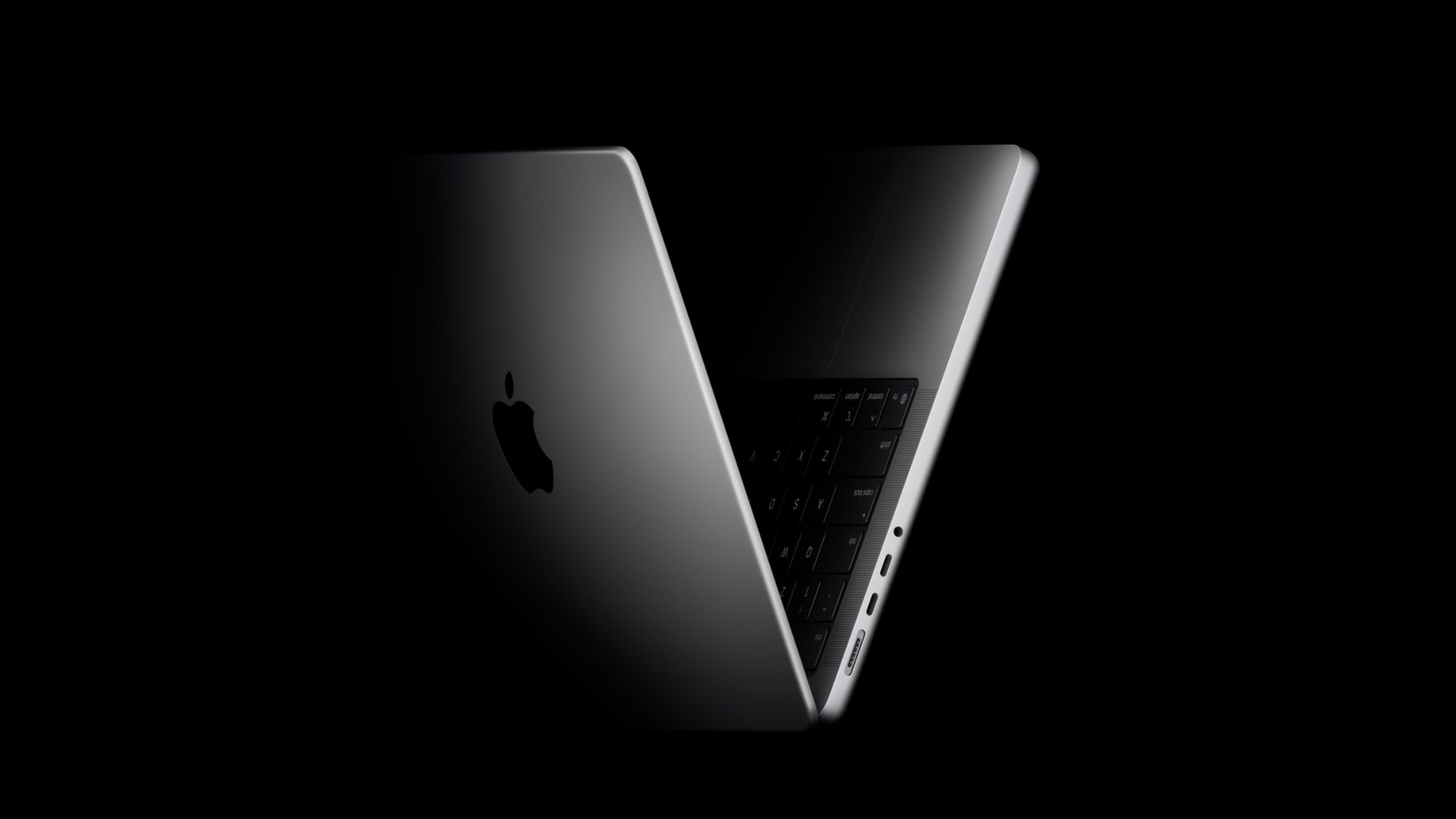
The MacBook Pro with PROLED XDR Display comes in both 14-inch and 16-inch sizes, powered by either the M5 Pro or the higher-end M5 Max silicon. It introduces Apple’s tandem OLED panel, delivering up to 2,000 nits peak brightness (both SDR and HDR) and an astounding 10,000,000:1 contrast ratio. A 120 Hz variable refresh rate, wider color gamut covering P3 and Adobe RGB, and ultra-responsive touch built directly into the display panel round out the feature set.
Pre-orders opened October 28, with availability set for November 6 in stores and via reseller channels. Prices start at $2,899 for the 14-inch PROLED model with M5 Pro, while the 16-inch starts at $3,399 in the U.S. Higher specs and the Max chip jump those figures significantly.
Design & Workflow Enhancements
Beyond the display itself, Apple has made several hardware upgrades to support this new form of interaction. The device sports a sturdier hinge to hold the display steady while touching, and video calls make use of built-in stabilization. Plus, macOS now includes gesture APIs and touch support not just for basic navigation, but for pro workflows—graphic design, 3D modeling, and music production all benefit from tools that permit dragging, pinching, and drawing directly on the screen.
Overall, Apple is pitching this new MacBook Pro as thinner and markedly lighter than its predecessor models. Expectations are that portability (without compromising performance) is a key selling point for pros constantly on the move.
Apple’s collaboration with Labrinth signals a clear strategy: this touchscreen functionality is not just a spec—but a core part of creative workflows. For artists, developers, and pros whose tools live in Logic Pro, Final Cut Pro, Blender, and other demanding apps, the move toward touch brings a new input dimension without losing the legacy power of macOS. Even if touch on laptops was a longtime taboo inside Apple, this model’s debut feels like a turning point.
What to watch next: how third-party apps adopt touch workflows, how macOS nails latency and durability (including fingerprints and repeated swipes), and whether Apple extends this hardware across the Mac lineup. This MacBook Pro sets ambitious expectations—for once it ships, it must prove this giant leap isn’t just about glamour, but about real productivity gains.