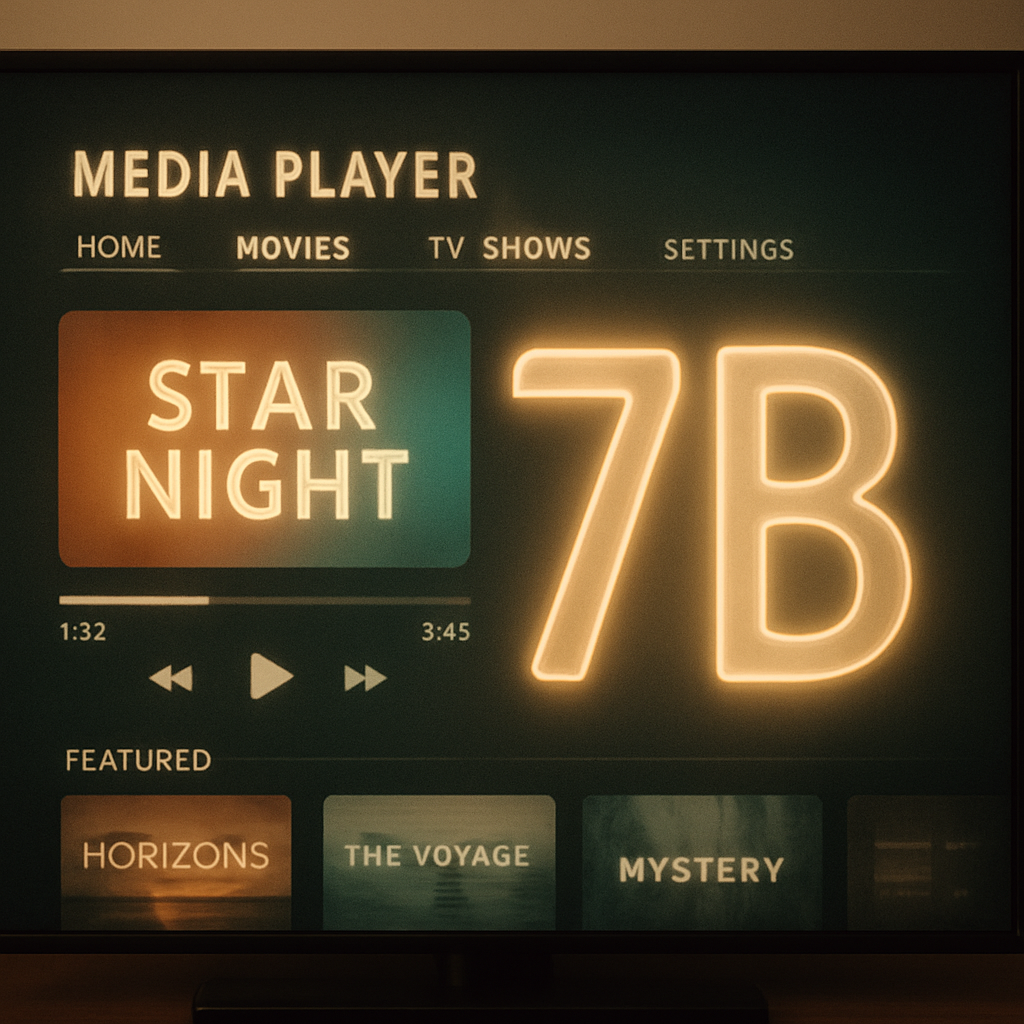
VLC media player has now exceeded 7 billion downloads across all platforms. This milestone, confirmed by VLC’s president and lead developer Jean-Baptiste Kempf, arrives approximately 18 months after the app crossed the 6 billion downloads mark in January 2025.
Originally built as a free, offline media player by the non-profit VideoLAN project, VLC has become a ubiquitous tool for playing media without needing streaming subscriptions. It supports a wide range of platforms, and its open-source roots have long made it popular for users who want flexibility over cloud dependence.
Updates & Platform Expansion
One of VLC’s recent efforts includes adapting the player for Amazon’s new Vega operating system designed for televisions. Operation on other platforms remains in progress. VLC is also preparing its long-anticipated version 4 release, which is still under development to ensure compatibility across devices and codecs.
On AI Features & What’s Next
Back in 2025, VideoLAN revealed plans to introduce AI-powered translation and subtitle options that would run on local models. As of now, it isn’t clear whether those features have shipped. Kempf emphasized ongoing work in the areas of platform support, codec compatibility, and software evolution ahead of VLC 4.0’s arrival.
These new developments reflect VLC’s dual mission: maintain free, offline media playback while staying relevant in an age of streaming, AI, and shifting hardware ecosystems.
What this means for users and the media player landscape is significant. Reaching 7 billion installs underlines VLC’s staying power amid growing competition. The move into TV platforms like Amazon’s Vega OS unlocks larger screens and potentially new use cases, while the push toward local-AI features could set VLC apart in terms of privacy and offline capability. What to watch: release timing and quality of VLC 4, rollout of those AI features, and how VLC balances its roots with modern expectations for streaming, subtitles, and cross-platform performance.