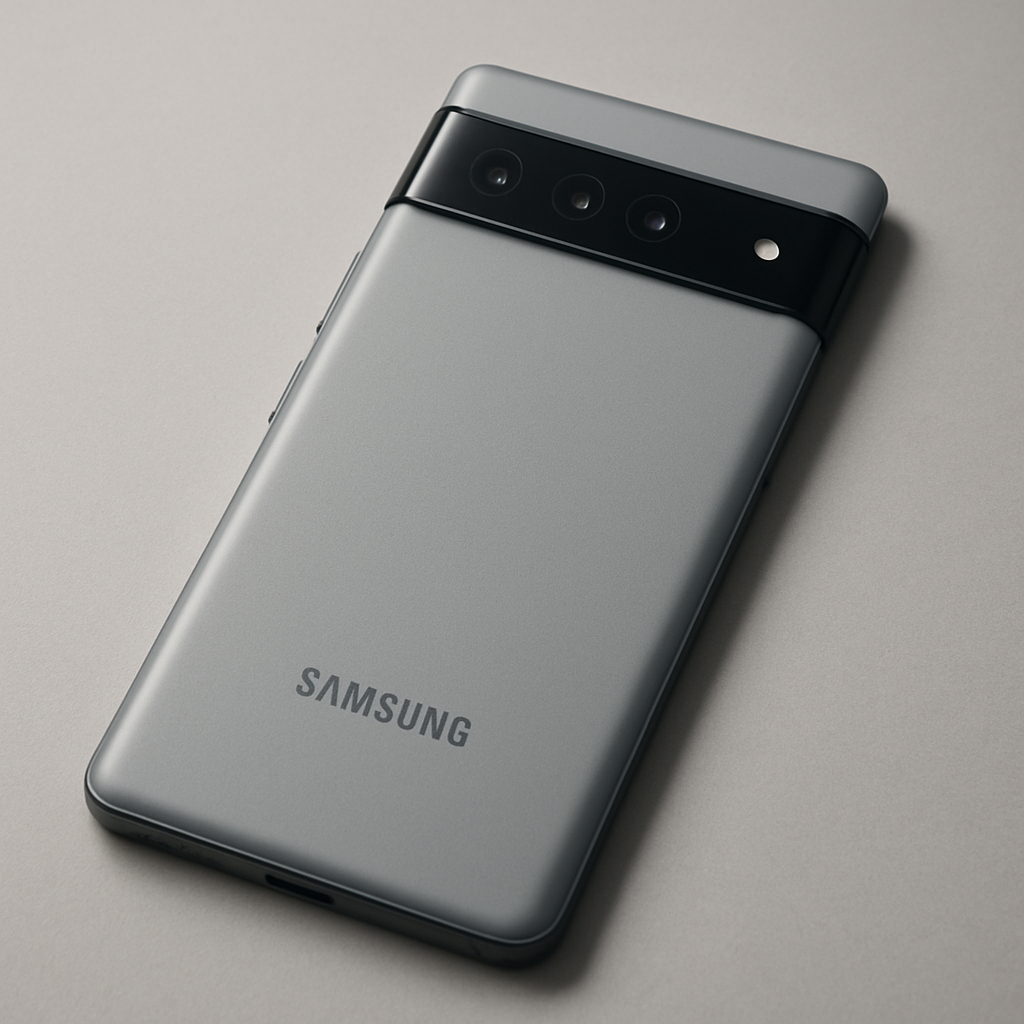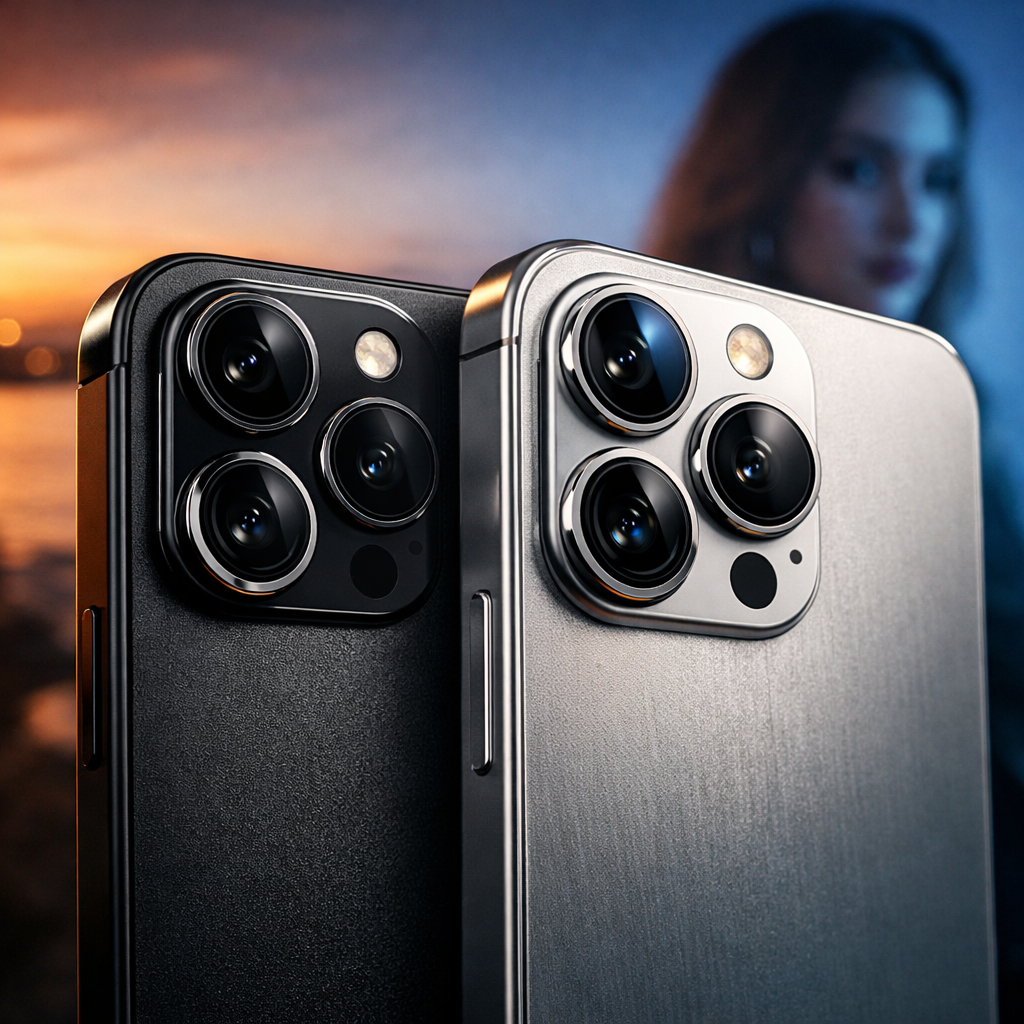
Vivo’s X500 series includes three models — base X500, Pro, and Pro Max — and we’re focusing on how the ’smaller’ base and Pro stack up, especially against competitors like Google’s Pixel 11 Pro. The key question: is the Pro version worth the extra cost, or does the X500 already deliver enough camera excellence?
Specs That Set Them Apart
Both the X500 and X500 Pro share a 50MP main sensor (1/1.28-inch), which offers solid low-light performance and large pixel size (1.22μm). Where they diverge is mainly in telephoto and exposure behavior. The Pro steps up with slightly better optics: a 3× telephoto lens with a bit wider aperture, offering more detail at a distance. Other cameras, like the ultrawide and front-facing, are almost identical between the two, offering 50MP sensors in both, though the Pro has a slightly warmer tone overall.
Performance in Real Shots
In telephoto scenes pushed to 10× zoom, both Vivo phones deliver nearly noise-free, sharp photos, but the Pro edges ahead by preserving more detail thanks to its upgraded telephoto sensor. Comparisons with the Google Pixel 11 Pro reveal a softer look on the Pixel — pleasing to some, but not for those craving clarity. The Google phone has one advantage: speed. It captures darker scenes instantly, while both Vivo models need a 2–3 second exposure in those situations.
Ultrawide performance swings toward the Vivo models. Both X500s handle wide scenes with vibrant, warm colors and good balance. The Pro’s warmer hue is more pleasing in mixed lighting scenarios. Meanwhile, the Pixel 11 Pro often struggles underexposed in ultrawide shots, especially in staircases or scenes with both bright and dark areas.
For the main camera, Vivo shines when scenes are challenging — shadows, bright light, intricate details like wreaths or wine bottles — bringing out textures and richness that sometimes overwhelm the Pixel’s tendency to brighten too aggressively. In simpler conditions, the differences are less stark.
Portraits, Trade-Offs, and Value
Here’s where things get interesting: portrait mode. Despite its better hardware, the Pro exhibits odd warping in its bokeh (background blur) rendering, affecting both front and rear portraits. The base X500 avoids those issues, delivering more pleasing results. Google’s Pixel 11 Pro takes clean edges and consistent blur — the sharpest portrait offering in this comparison.
The X500 Pro carries a hefty price in some regions — €1,399 in the EU — while the base X500 is harder to find globally but is expected to cost substantially less. That price gap becomes crucial when you factor in what each model gives you in return.
Overall, both Vivo phones represent well-executed mid-flagship choices. The Pro gets you improved telephoto strength and warmer tone, but also some downsides in portrait processing. The base X500 delivers most of what makes Vivo a camera powerhouse — with fewer compromises.
What it means: Vivo continues to push the boundaries in camera design for compact phones. The X500 and X500 Pro show how far smaller flagships have come — main sensors are now powerful, and ultrawide lenses are useful, not just add-ons. For buyers, the decision comes down to priorities: telephoto clarity and color warmth (go Pro) versus crisp portraits and better value (stick with base). Keep an eye on how Vivo refines portrait post-processing — that may be the real differentiator going forward.