Vercel’s Security Breach: A Deep Dive into the Context.ai Compromise
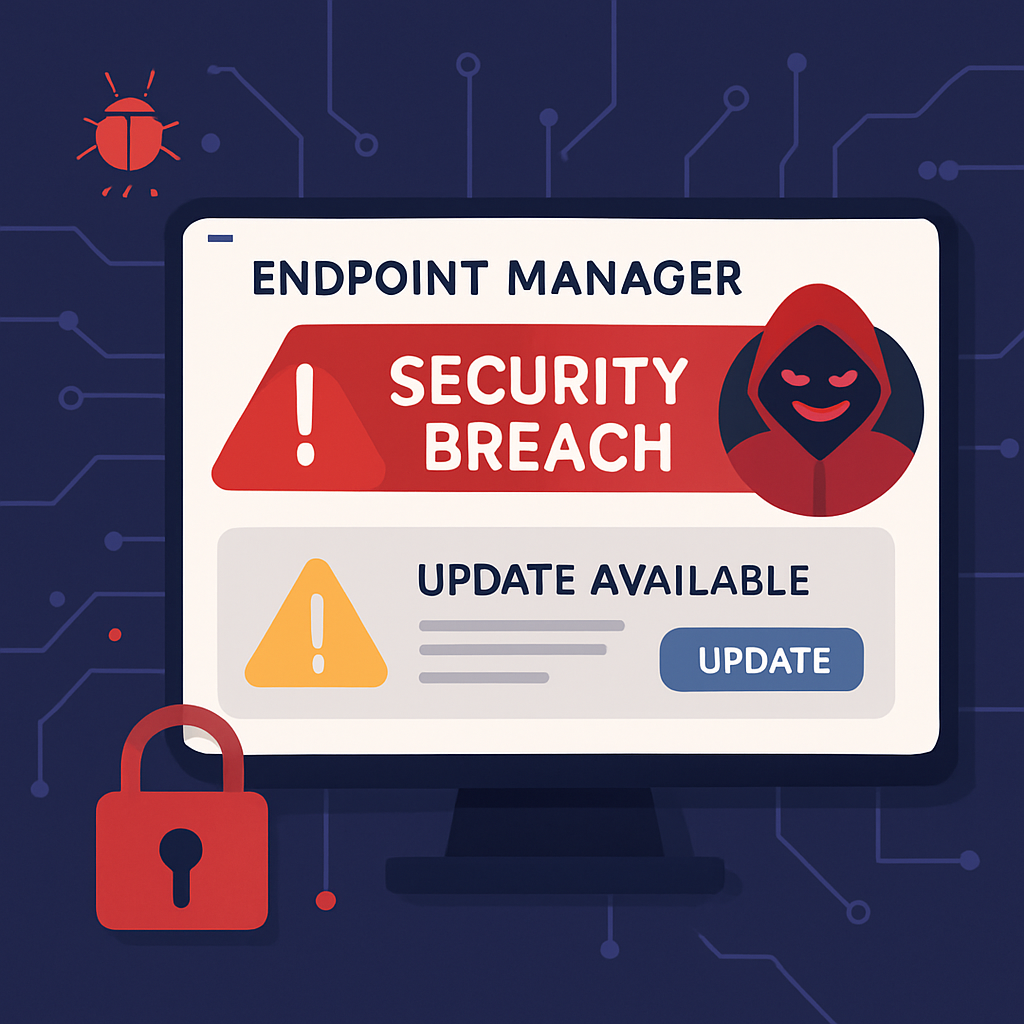
In April 2026, Vercel, a prominent cloud development platform renowned for supporting frameworks like Next.js, experienced a significant security breach. This incident underscores the intricate challenges associated with third-party integrations and the imperative of stringent security protocols.
The Breach Unfolded
The breach’s origin traces back to Context.ai, a third-party AI tool utilized by a Vercel employee. This employee, using their corporate credentials, granted Context.ai extensive OAuth permissions, specifically the Allow All access to their Google Workspace account. This broad access became the linchpin for the attacker, who exploited it to infiltrate Vercel’s internal systems. The attacker, identifying as ShinyHunters, is reportedly demanding a $2 million ransom for the stolen data, which encompasses non-sensitive environment variables. ([tomshardware.com](https://www.tomshardware.com/tech-industry/cyber-security/vercel-breached-after-employee-grants-ai-tool-unrestricted-access-to-google-workspace?utm_source=openai))
The Domino Effect
The compromise of Context.ai was not an isolated event. Investigations revealed that a Context.ai employee’s system was infected with Lumma Stealer malware in February 2026. This malware infection occurred after the employee downloaded malicious scripts related to Roblox exploits. The malware harvested credentials and tokens, including those for Google Workspace, Supabase, Datadog, and Authkit. These stolen credentials provided the attacker with the means to access Vercel’s internal environment. ([tomshardware.com](https://www.tomshardware.com/tech-industry/cyber-security/vercel-breached-after-employee-grants-ai-tool-unrestricted-access-to-google-workspace?utm_source=openai))
Vercel’s Response and Mitigation Efforts
Upon detecting the breach, Vercel took immediate action:
– Engagement with Experts: The company collaborated with cybersecurity firm Mandiant and notified law enforcement agencies to investigate and address the breach. ([vercel.com](https://vercel.com/kb/bulletin/vercel-april-2026-security-incident?utm_source=openai))
– Customer Communication: Vercel identified a subset of customers whose non-sensitive environment variables were compromised and advised them to rotate credentials and audit deployments. ([vercel.com](https://vercel.com/kb/bulletin/vercel-april-2026-security-incident?utm_source=openai))
– Product Enhancements: To bolster security, Vercel introduced new dashboard features, including an overview page for environment variables and an improved interface for managing sensitive variable settings. ([vercel.com](https://vercel.com/kb/bulletin/vercel-april-2026-security-incident?utm_source=openai))
– Supply Chain Assurance: The company confirmed that its open-source projects, such as Next.js and Turbopack, remained unaffected by the breach. ([vercel.com](https://vercel.com/kb/bulletin/vercel-april-2026-security-incident?utm_source=openai))
Broader Implications and Lessons Learned
This incident serves as a stark reminder of the vulnerabilities associated with third-party integrations:
– Third-Party Risk Management: Organizations must maintain a comprehensive inventory of third-party tools and assess their security postures regularly. ([safe.security](https://safe.security/resources/blog/vercel-breach-third-party-risk-management/?utm_source=openai))
– OAuth Permissions Vigilance: Granting broad OAuth permissions can create significant security risks. It’s crucial to limit permissions to the minimum necessary for functionality. ([cybernews.com](https://cybernews.com/security/vercel-hacked-after-oauth-compromise/?utm_source=openai))
– Employee Training: Regular training sessions can help employees recognize potential threats, such as malicious scripts or phishing attempts, reducing the risk of malware infections.
Conclusion
The Vercel breach highlights the cascading effects that can result from a single compromised third-party tool. It emphasizes the need for organizations to implement robust security measures, conduct regular audits, and foster a culture of security awareness to mitigate potential threats.