Apple’s Vision Pro headset impressed from its debut with bold features like spatial FaceTime and �Mac Virtual Display. But for many early users, including those who weren’t diving into every cutting-edge app, there’s one standout way to use the device: lying down and streaming video. It may sound simple, but that experience flips the script on how the headset’s design feels, especially after the novelty fades.
At launch, the Vision Pro felt like a future-defining leap. Its sleek build, visionOS interface, and promise to blur lines between physical and virtual screens drew plenty of buzz. Enthusiasts imagined replacing all screens with it—floating browser windows, face-to-face remote hangs, mixed reality everything. But those dreams came with trade-offs. After hours of use, the weight becomes more noticeable, and even boards in Apple’s software (like the keyboard) felt clunky during multitasking.
The Joy of Bedtime Streaming
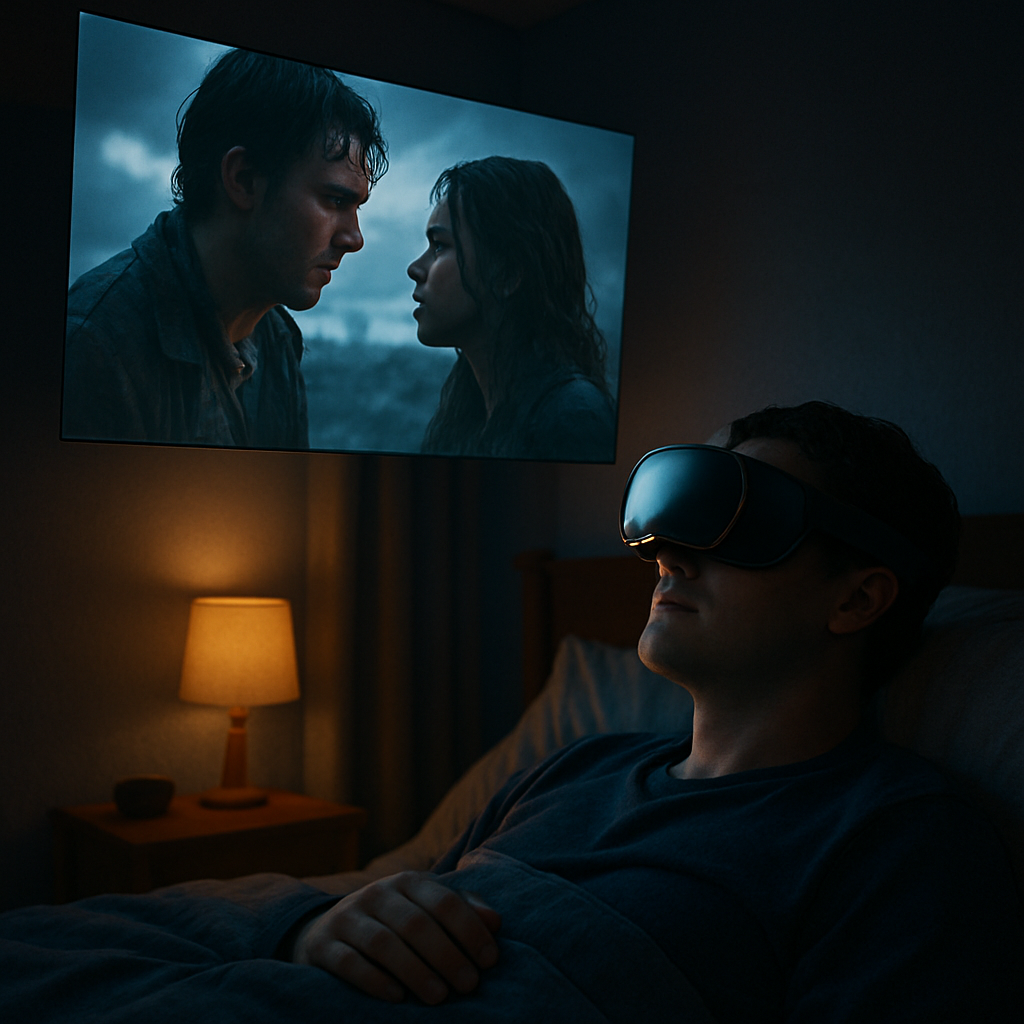
Instead of juggling productivity tasks, many find the most rewarding moment with Vision Pro at night, in bed, staring upward. The headset’s bulk recedes when you’re reclined; gravity’s pull becomes an ally instead of a burden. In that position, a film or show feels immersive, the weight on your face feels lighter, and the 3D effect (when available) takes you somewhere else entirely. It’s the usage habit that Apple executives have also endorsed: reclining and letting the headset be your own private theater.
Even with a full app catalog—streaming services like Disney+, HBO Max, YouTube, and Apple TV are all aboard—there’s still something special about pressing play in bed. It’s not about multitasking or cramming in work; it’s about letting digital content wash over you with minimal friction. Because the Vision Pro’s keyboard and UI are optimized more for spectacle than speed, using it for media consumption turns out to be the sweet spot.
Price, Value & What It Means
Vision Pro launched at a starting price of $3,699—a premium tag that shifts its value proposition for many buyers. Still, used devices have dropped in price significantly, hovering around $1,500. That drop makes it more feasible to pick up one almost just for relaxing at night. When judged on its most natural strength—streaming content in a low-stress setting—the Vision Pro doesn’t need to be your all-day headset to feel like it was worth it.
3D content adds an extra layer—if you have it, watching in three dimensions while reclined makes that private-camping vibe even more convincing. Because there’s nothing else competing for your focus, immersion feels more total.
• Audio frees up space in the mind.
• Reclining nullifies weight.
• Streaming is simple; multitasking is optional.
• Used prices make it more of a toy worth owning.
One detail stands out: what works best for entertainment, especially of the visual kind, is still different from what makes a device productive. The Vision Pro shines brightest when it’s used to escape—not to do more.
— Why this matters: The headset world often touts “everything at once”: work, play, mixed reality, productivity. But what makes a device enjoyable long-term is how it fits into our real, imperfect lives. For Vision Pro, the bedtime, reclined setup may be its most sustainable and delightful role. Developers, hardware designers, and Apple all would do well to note: delight often wins over raw spec, especially when it gives you a place to just unwind.