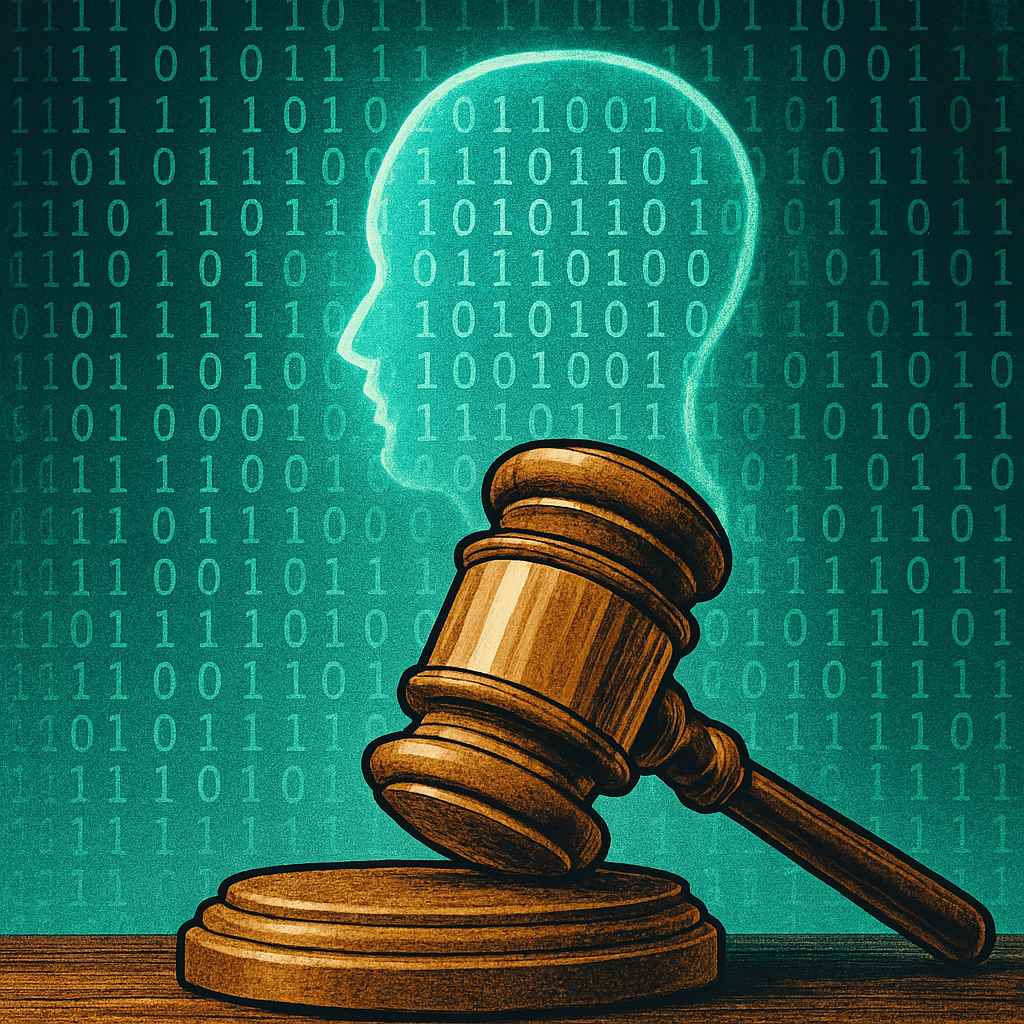
The U.S. government has formally taken a controversial stance: it claims that violating copyright laws may be crucial for developing large language models (LLMs) quickly enough to stay ahead in global competition. An official brief filed by Associate Attorney General Stanley Woodward Jr. argues that strict copyright protections for content used in AI training hurt national security interests. It suggests that in practice, using unlicensed copyrighted materials may be unavoidable for creators of competitive AI systems.
From OpenAI’s Arguments to Federal Support
This echoes positions originally voiced by OpenAI in March 2025, following the government’s decision to blacklist Anthropic, which opened the door for OpenAI to become a primary AI supplier for the U.S. military. Woodward’s latest court filing, tied to a copyright lawsuit with The New York Times, closely mirrors OpenAI’s long-standing content-use justifications. The government now seeks to institutionalize those arguments through legal precedent.
Key Points in Woodward’s Filing
The brief maintains that rules enforcing copyright licensing could make innovation too costly, especially for smaller companies. It emphasizes that adversaries abroad do not always respect copyright, and claims that certain restrictions put U.S. AI businesses at a disadvantage. The filing admits that only the most well-funded entities might afford licensing, which could narrow competition. It downplays potential harm to copyright owners by arguing that the transformative nature and public benefits of training LLMs outweigh any negative impact.
Creators Push Back
Opponents counter that the government’s position undermines the livelihood of writers, publishers, and other creators whose works are being used without compensation. They argue it threatens the integrity and viability of creative industries that contribute essential content for AI models. The case was filed in December 2023, and as of September 2, 2026, the court has called for amici briefs to be submitted by October 16, 2026.
This case matters not just for one lawsuit or one company—it could reshape how AI systems are trained, how copyright law is applied online, and how power is distributed in the tech industry. If courts side with the government, large-scale content scraping without permission could become legally protected in many cases. Such an outcome may reduce licensing costs and accelerate model development—but at the potential cost of undermining creators’ rights. The balance of benefit and harm will be central as this unfolds.