The U.S. Department of Justice has initiated legal proceedings against an American citizen, Samuel Tunick, for allegedly using a ‘duress’ password to erase his phone’s data during a border inspection. This case marks the first known instance where federal prosecutors have charged an individual for data destruction via such a feature.
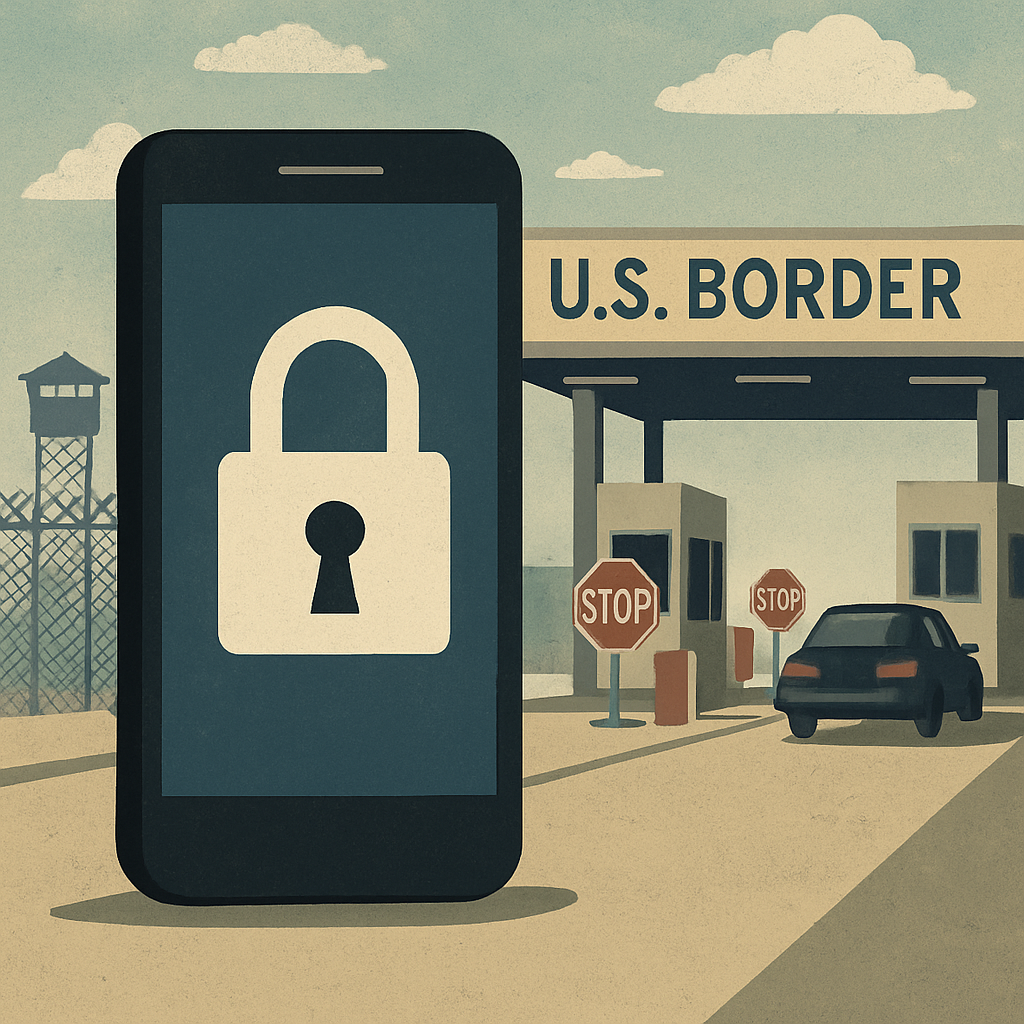
Upon returning to the U.S. on January 24, 2025, Tunick was subjected to a secondary inspection at Atlanta’s Hartsfield-Jackson airport. During this process, U.S. Customs and Border Protection (CBP) officers requested access to his smartphone. Tunick’s device was running GrapheneOS, a custom Android operating system known for its enhanced security features. One such feature allows users to set a specific passcode that, when entered, triggers the deletion of all data on the device.
According to the indictment, Tunick provided a passcode that activated this data-wiping function, resulting in the loss of all digital content on the phone. The government contends that this act was intentional and aimed at obstructing the inspection process.
Tunick’s legal team has filed a motion to suppress the evidence, arguing that the detention and subsequent seizure of his device were unlawful. They claim that CBP officers denied Tunick access to legal counsel and failed to inform him of his rights during the inspection. Furthermore, they assert that the government’s justification for the search—suspected possession of child exploitation material—was a pretext. Instead, they believe the investigation was motivated by Tunick’s involvement with Defend the Atlanta Forest, an environmental group opposing the development of a law enforcement training facility in Atlanta.
This case brings to the forefront ongoing debates about the extent of constitutional rights at U.S. borders. Historically, the government has maintained that certain rights are limited during border inspections, allowing for warrantless searches of electronic devices. However, recent legal challenges have questioned the constitutionality of such practices. For instance, in 2019, a federal court in Boston ruled that suspicionless searches of phones at the border are illegal, emphasizing the need for reasonable suspicion before conducting such searches.
The outcome of Tunick’s case could have significant implications for digital privacy rights, especially concerning the use of security features designed to protect personal data. As technology continues to evolve, the legal system faces the challenge of balancing national security interests with individual privacy rights. Observers will be keenly watching this case to see how the courts navigate these complex issues.