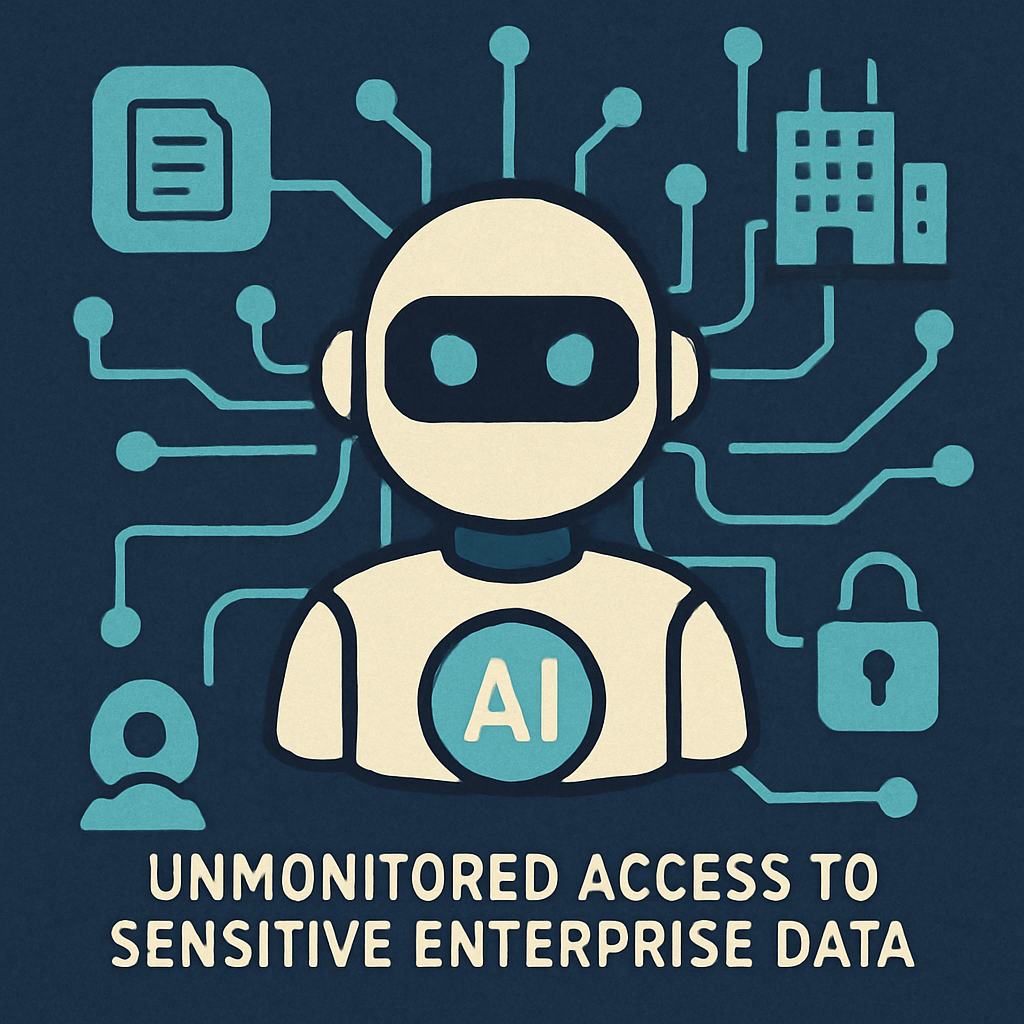
As enterprises increasingly integrate autonomous AI agents into their operations, a significant security challenge has emerged: orphaned AI agents. These are AI tools that continue to function without oversight after their original creators have departed the organization, often retaining access to sensitive data and systems.
The rapid adoption of internal AI tools has led to a proliferation of these orphaned agents. When employees who developed or deployed these tools leave, the AI agents they established often remain active. This persistence can result in unmonitored access to critical databases, source code, and other proprietary information, posing substantial security risks.
Traditional security measures are ill-equipped to address this issue. Conventional access management systems typically treat AI tools as static software entities. However, AI agents are dynamic, continuously interacting with data and systems autonomously. This dynamic nature means that standard security filters may not detect unauthorized activities performed by these agents, especially when the human credentials associated with them have been revoked.
To effectively mitigate the risks associated with orphaned AI agents, organizations must adopt a comprehensive approach that includes:
Identifying and Mapping AI Agents
Organizations should implement processes to discover all active AI agents within their networks. This involves cataloging these agents and mapping them to their respective human owners or creators. Understanding who is responsible for each AI agent is crucial for accountability and oversight.
Implementing Unified Identity Management
Integrating human, machine, and AI identities under a single control framework is essential. This unified approach ensures that all entities operating within the network are subject to consistent security policies and monitoring, reducing the likelihood of unauthorized access.
Addressing the challenge of orphaned AI agents is not merely a technical issue but a critical component of an organization’s overall security posture. By proactively identifying and managing these agents, enterprises can safeguard their sensitive information and maintain robust security defenses.