University of Texas to Introduce Digital Student IDs via Apple Wallet in 2027
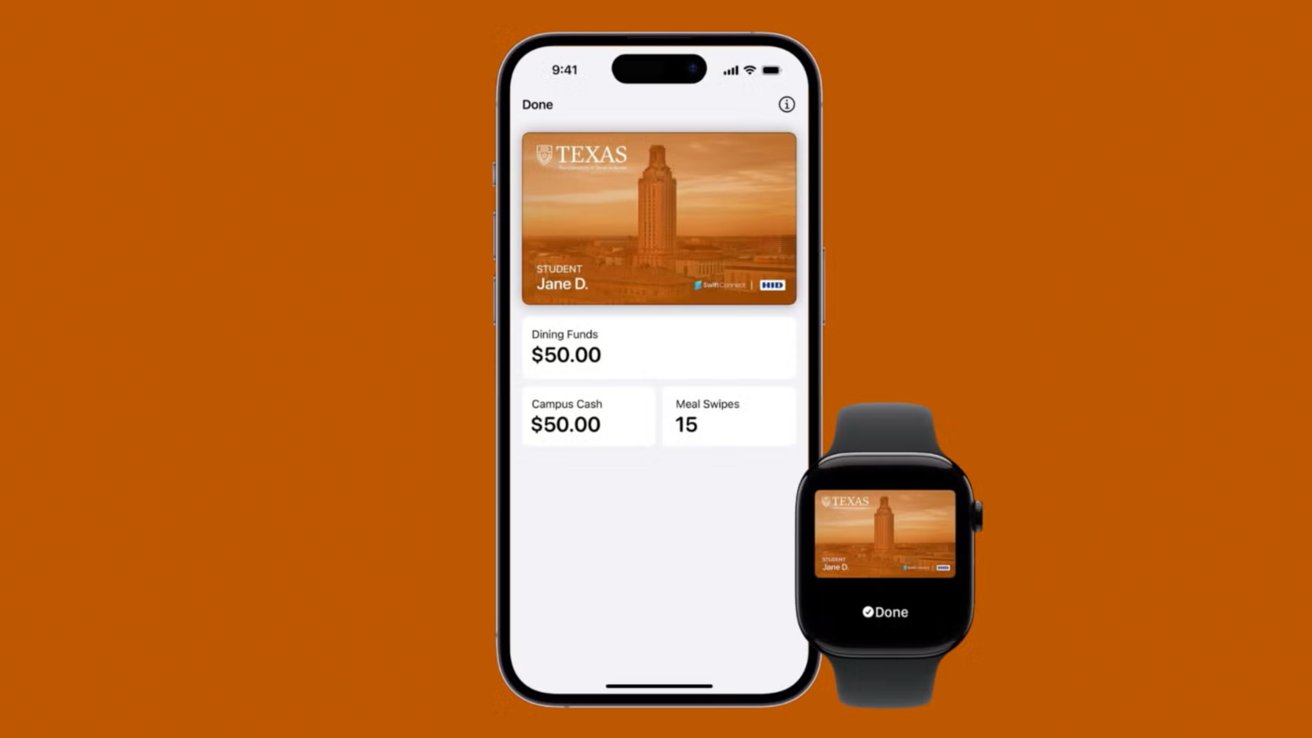
In a significant move towards digital integration, the University of Texas at Austin has announced plans to implement digital student identification cards accessible through Apple Wallet, starting with the 2027-2028 academic year. This initiative aims to streamline campus operations and enhance the student experience by leveraging modern technology.
Transition to Digital IDs
Traditionally, students at the University of Texas have been required to obtain physical photo identification cards from the ID Center located on the first floor of the Flawn Academic Center. These cards serve multiple purposes, including access to libraries, University Health Services, residence halls, and other campus buildings. They are also used for purchases at stores accepting Bevo Pay and for admission to athletic and special events. The initial cost for these ID cards is $20, with replacement fees applicable under certain circumstances. ([catalog.utexas.edu](https://catalog.utexas.edu/general-information/registration-tuition-and-fees/tuition-and-fees/identification-cards/identification-cards.pdf?utm_source=openai))
The shift to digital IDs is expected to simplify these processes. By integrating student IDs into Apple Wallet, students will have the convenience of accessing campus facilities and services directly from their iPhones or Apple Watches. This digital approach aligns with the university’s commitment to adopting innovative solutions that cater to the evolving needs of its student body.
Apple Wallet Integration
Apple Wallet is a mobile application that allows users to store various cards and passes digitally, including credit and debit cards, boarding passes, tickets, and now, student IDs. The app supports features like displaying 2D and 1D barcodes, location-based triggers, and time-based notifications. Notably, Apple Wallet includes an Express Mode, enabling users to access certain cards without the need to authenticate with Face ID, Touch ID, or a passcode. This feature is particularly useful for quick access scenarios, such as entering buildings or making purchases. ([en.wikipedia.org](https://en.wikipedia.org/wiki/Apple_Wallet?utm_source=openai))
The integration of student IDs into Apple Wallet will allow University of Texas students to utilize their digital IDs for various campus activities seamlessly. Whether it’s entering a residence hall, checking out library materials, or attending a football game, students can simply present their iPhone or Apple Watch to the appropriate reader. This method not only enhances convenience but also reduces the reliance on physical cards, which can be lost or damaged.
Security and Privacy Considerations
Security is a paramount concern in the transition to digital IDs. Apple Wallet employs robust security measures to protect user information. Each transaction or access request is encrypted, and the actual card numbers are not stored on the device or Apple’s servers. Instead, a unique Device Account Number is assigned, encrypted, and securely stored in the device’s Secure Element. This ensures that even if a device is lost or stolen, the digital ID remains protected.
Moreover, the university will implement additional security protocols to safeguard student information. These may include multi-factor authentication, regular security audits, and compliance with federal and state regulations regarding student data privacy. Students will also have the ability to remotely disable their digital ID in case their device is lost or compromised, providing an added layer of security.
Implementation Timeline and Process
The University of Texas plans to roll out the digital ID system in phases, beginning with a pilot program in the 2026-2027 academic year. This pilot will involve a select group of students and staff to test the system’s functionality, address any technical issues, and gather feedback for improvements.
Following the pilot, the full implementation is scheduled for the 2027-2028 academic year. Incoming students will be guided through the process of setting up their digital IDs during orientation. The university will provide detailed instructions on how to add the student ID to Apple Wallet, including steps such as:
1. Downloading the university’s official app from the App Store.
2. Logging in with their university credentials.
3. Following the prompts to add the student ID to Apple Wallet.
For existing students, the university will offer workshops and online resources to facilitate the transition. Support services will be available to assist with any technical difficulties or questions that may arise during the setup process.
Benefits of Digital Student IDs
The adoption of digital student IDs offers numerous advantages:
– Convenience: Students can access campus facilities and services using devices they already carry daily.
– Efficiency: Reduces the time spent managing physical cards and streamlines administrative processes.
– Security: Enhanced security features protect against unauthorized access and potential misuse.
– Sustainability: Decreases the need for plastic cards, contributing to environmental conservation efforts.
Challenges and Considerations
While the transition to digital IDs presents many benefits, it also comes with challenges that the university must address:
– Device Compatibility: Ensuring that all students have access to compatible devices or providing alternatives for those who do not.
– Technical Support: Establishing robust support systems to assist students with setup and troubleshooting.
– Privacy Concerns: Maintaining transparency about data usage and ensuring compliance with privacy laws.
– Backup Solutions: Providing physical ID cards as a backup in case of device failure or other unforeseen issues.
Future Prospects
The University of Texas’s initiative to integrate student IDs into Apple Wallet reflects a broader trend in higher education towards digital transformation. As technology continues to evolve, universities are increasingly adopting digital solutions to enhance operational efficiency and improve the student experience.
Looking ahead, the success of this program could pave the way for further innovations, such as integrating additional campus services into digital platforms, enhancing mobile app functionalities, and exploring partnerships with other technology providers to offer a more connected and seamless campus environment.
Conclusion
The University of Texas at Austin’s plan to introduce digital student IDs via Apple Wallet marks a significant step forward in embracing technology to benefit its student body. By leveraging the capabilities of Apple Wallet, the university aims to provide a more convenient, secure, and efficient means for students to access campus resources. As the 2027-2028 academic year approaches, students can look forward to a more integrated and streamlined campus experience, setting a precedent for other institutions to follow.