Ledger, the hardware wallet maker, has halted sales through reseller CryptoBilis amid an investigation after users reported over $86 million in stolen crypto assets. The affected wallets, all sold by CryptoBilis, allegedly contained an unauthorized hardware implant. Users in Southeast Asia are being advised to take urgent precautions.
What Happened
The security breach was discovered when affected customers, who purchased Ledger devices through CryptoBilis, reported lost funds. A blockchain investigator known as Specter estimated the total loss above $86 million.
Ledger issued a public warning: if you bought a device from this reseller in the last 90 days and haven’t yet set it up, don’t do so. If setup is already complete, move your assets to a new wallet initialized with a fresh seed phrase.
Origin of the Risk
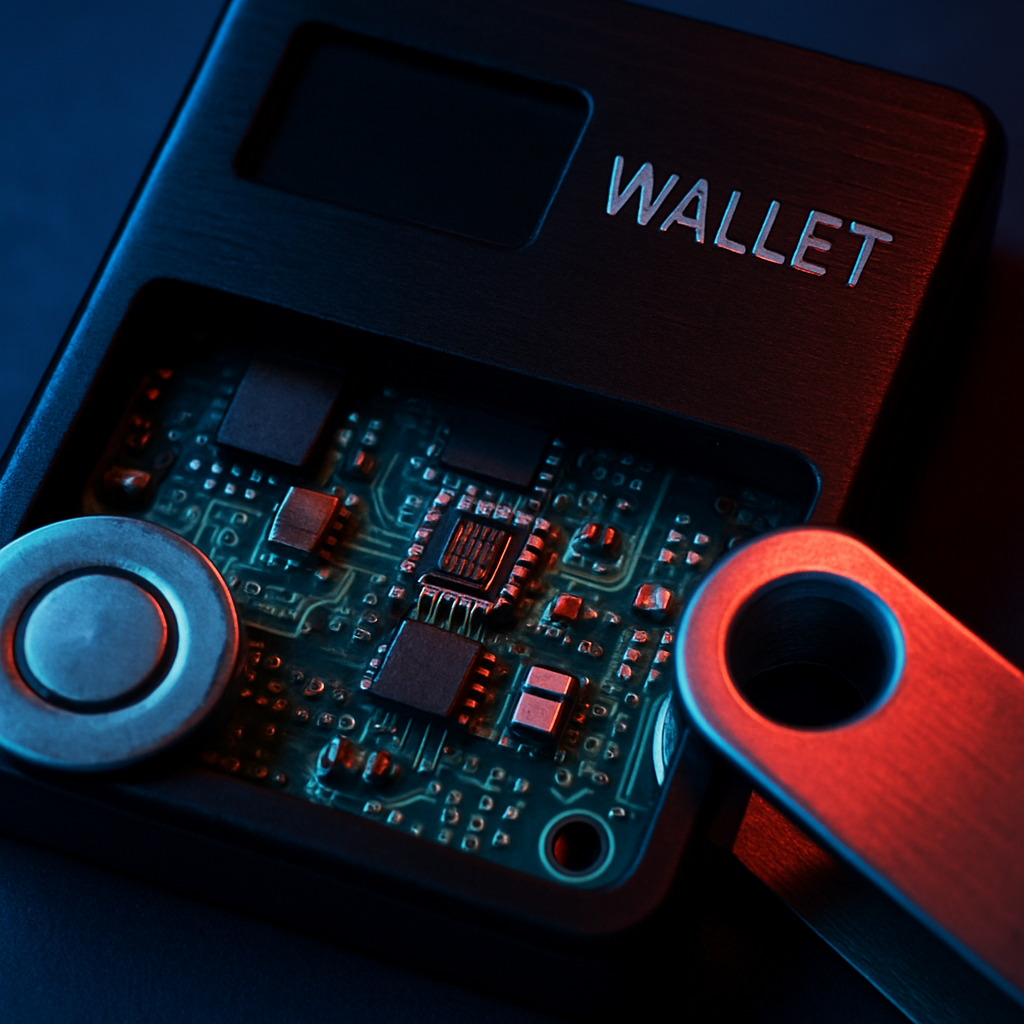
The issue is traced back to CryptoBilis, which has been pulled offline in terms of selling hardware wallets until the investigation finishes. All confirmed impacted devices are known to have come through them. Ledger says a hardware implant was found in one of those wallets.
Ledger also urged resellers and buyers to only deal with authorized channels. Returned inventory from unhauthorized sources, or devices bought through unofficial supply lines, carry an elevated risk of modification or firmware compromise.
User Safety & Recovery Advice
CryptoBilis released guidance: always generate your recovery phrase yourself using your device at setup. If a device arrives with a pre-printed or pre-written recovery phrase—or if anyone else has ever seen it—treat that wallet as compromised. Never share your recovery phrase or PIN. CryptoBilis emphasizes that neither it nor Ledger will ask for your seed or PIN. Beware of anyone claiming they can help recover lost funds—they’re likely phishing.
Scope and Next Steps
While Ledger stresses the number of affected devices is “limited,” every confirmed case involves CryptoBilis-sold units. Ledger is working to contact impacted users directly as the incident is under ongoing investigation.
The company is also reinforcing its supply chain rules—cautioning resellers against buying through unauthorized channels or reselling returned inventory without verifying integrity. This follows a pattern of attacks targeting hardware wallet trust models.
This episode shows that even physical security products aren’t immune to supply-chain attacks. For years, hardware wallets like Ledger’s have been trusted for safeguarding crypto by keeping private keys offline. But once an implant or other hardware-level compromise enters the picture—especially via resellers outside official channels—even that trust crumbles. Moving forward, the crypto community will need to strengthen standards for distribution integrity and implement better mechanisms for detecting hardware tampering.