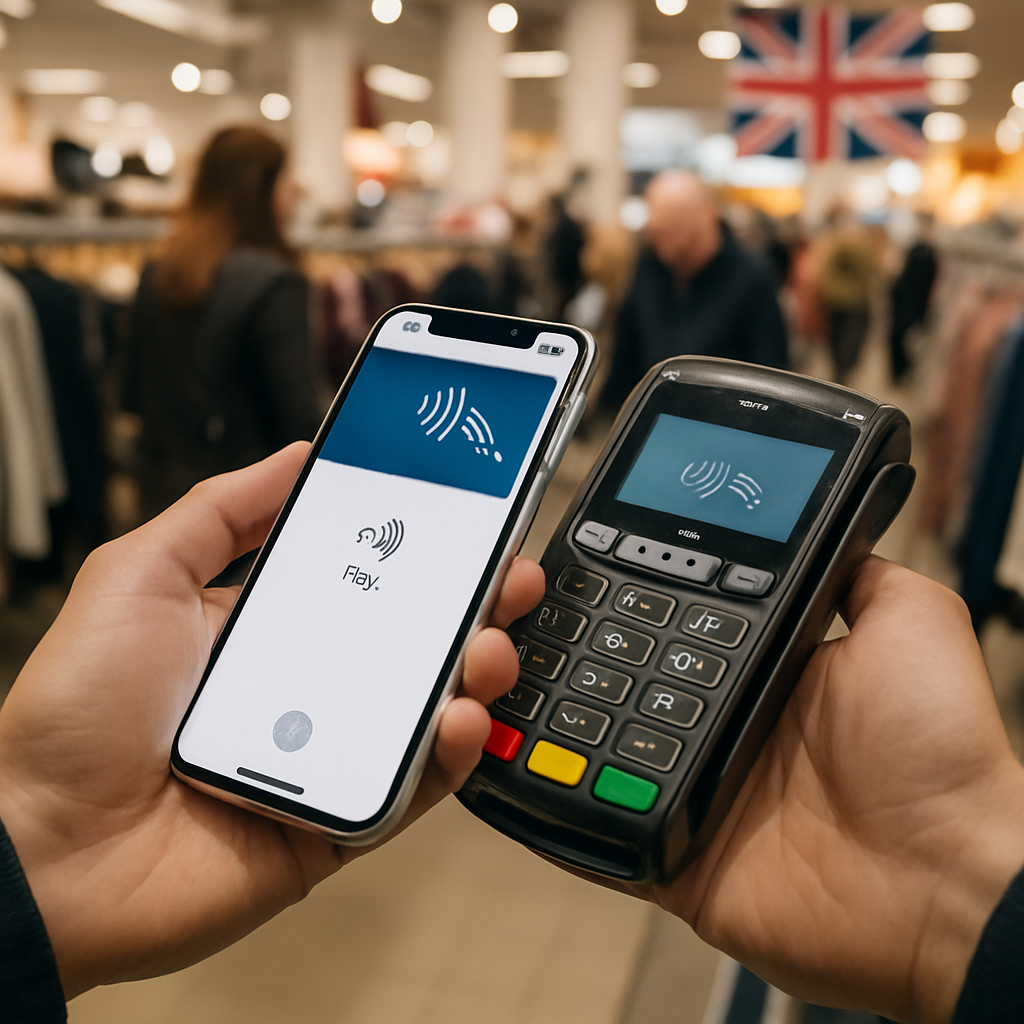
The UK’s Competition and Markets Authority (CMA) has declared that Apple continues to put obstacles in place that make it difficult for rivals to Apple Pay to get off the ground. While Apple has recently allowed third-party access to the NFC chip in iPhones, the UK regulator says that isn’t enough—high costs, strict licensing terms, and technical limitations are still serious barriers.
For years, Apple has kept contactless payments locked to its own Wallet app on the iPhone. Although the NFC chip in these devices could theoretically support outside apps, Apple has until now prevented them from handling card payments. That stance has triggered antitrust scrutiny in regions from the EU to the UK. In Europe, Apple has finally been forced to open the NFC chip to developers who meet certain industry standards and licensing rules—with no fees for access—and to allow users to pick the default wallet app they want. But the UK hasn’t followed suit.
The CMA has spoken with developers who say Apple’s UK conditions are overly burdensome. The issues cited include high fees, demanding terms, and technical controls baked into Apple’s NFC implementation—all of which make it hard to build a payment system that can truly compete with Apple Pay. The regulator has launched a public consultation aimed at loosening Apple’s hold over its contactless payment technology.
Apple Pushes Back on Regulatory Proposal
In response to the CMA’s proposal, which outlines new rules for how Apple must open up its NFC chip, Apple has pushed back. The company argues that the UK regulator’s plan would reduce privacy and security protections for users. Apple is engaging in talks with the CMA but disagrees with the direction proposed.
The CMA buttresses its position by pointing out that in the EU, developers can already obtain entitlement from Apple to access NFC and process payments—provided they demonstrate compliance with authorization standards. There are no fees involved, and iPhone users can set alternative wallet apps as default when using contactless payments. These concessions are expressly what Apple hasn’t matched in the UK.
Why It Still Matters
Digital wallets and contactless payments have become core to how many people pay for everyday goods—on public transit, at stores, online and on the go. If one company controls the favored path, it can shape the ecosystem—from fees to ease of use. For developers and consumers alike, walls around core technologies like the NFC chip can limit innovation, raise costs, and restrict choice.
Without regulation that ensures fair competition, users risk being locked into a single provider. For startups or companies trying to offer different digital wallet experiences—be they in design, features or costs—the hurdle to entry remains high.
What to watch now: how the CMA’s public consultation is received, what legal pressure builds globally, and whether Apple will shift in response. Even in markets where Apple has made concessions, the trade-offs—between security, privacy and openness—are still being tested.
Analytically, this issue is a window into bigger tensions: the soaring demand for digital payment freedom, and the stretching boundaries of privacy and security in regulation. If Apple gives ground in the UK, other tightly controlled ecosystems may be forced to follow, with long-term ripple effects for how we pay, transact and interact with technology every day.