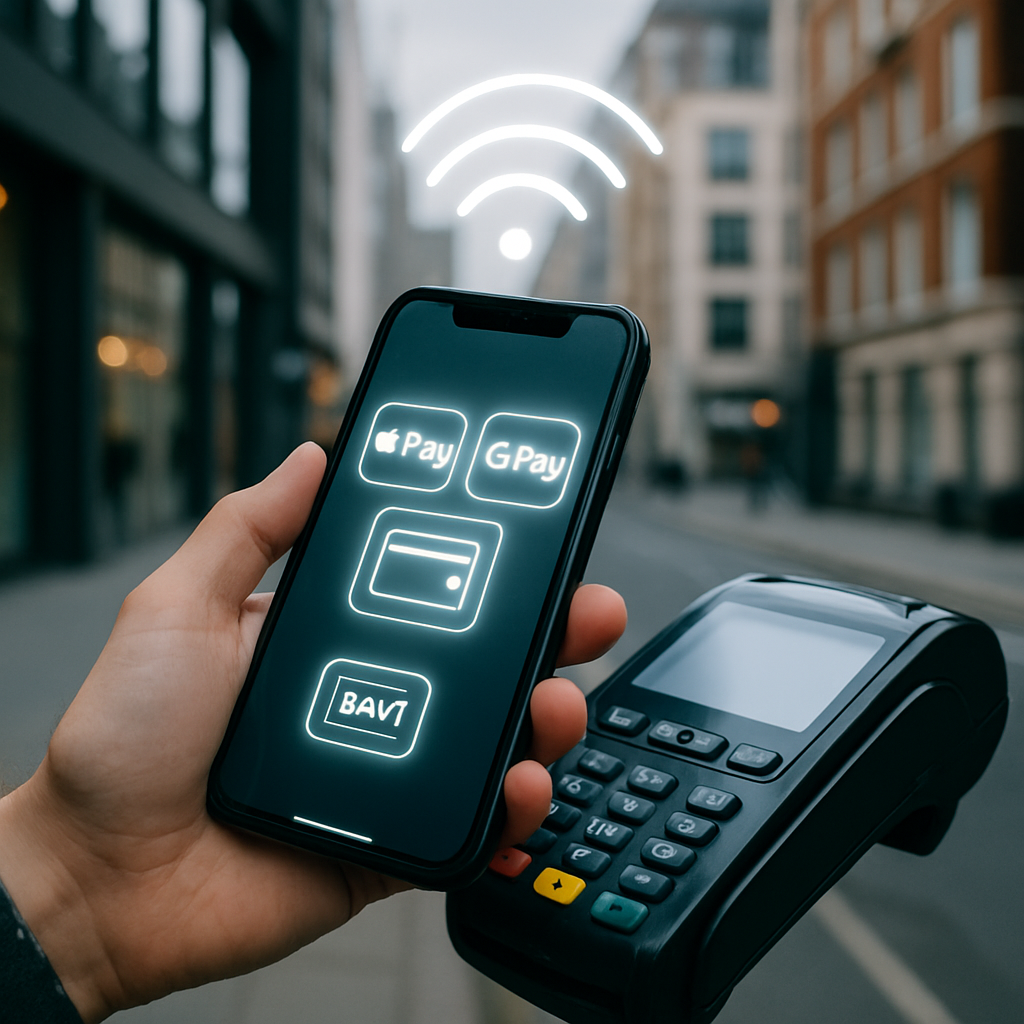
The UK’s competition watchdog is pushing for sweeping changes that could give rivals a fair shot at challenging Apple Pay. On October 20, 2026, the Competition and Markets Authority (CMA) unveiled a draft proposal that would make it easier and cheaper for third-party developers to tap into iPhone’s contactless payment tech. The goal: to unlock innovation in fintech, digital wallets, transit, keys, and more.
Why the Push?
The CMA argues that Apple’s current arrangement in the UK—where developers must use Apple’s Secure Element (SE) technology and agree to Apple’s terms and fees—has created high barriers for competition. While Apple opened NFC access in 2024, its terms are seen by many fintechs as commercially unviable.
To contrast, similar regulatory moves in the European Union have led to multiple alternative payment apps launching within months of Apple opening up its NFC and host card emulation (HCE) models. In the UK, however, no such rival wallet has yet made it to market under the current rules.
What the CMA Wants
The core of the CMA’s proposal is twofold: require Apple to support both SE and HCE standards, and set new principles that would substantially reduce fees for third-party access. Under the draft scheme, Apple must allow access through HCE (which stores credentials off-device), alongside SE (which does so on-device), while also offering more internationally consistent, amiable terms suited for UK businesses.
The CMA is not mandating a specific price. Instead, it has outlined principles for pricing that aim to lower costs significantly, yet still reward Apple for maintaining and securing the infrastructure. Developers would finally have clearer, more transparent, and fairer paths to offering contactless payment services on iPhones.
There’s also an open call for ideas. The CMA is seeking public consultation comments until November 17, 2026. After that point, responses will be reviewed before the regulator settles on binding rules.
Apple has pushed back, saying it already allows contactless payments via NFC and SE for developers. The company cautions that moving to other models like HCE could undermine elements of security and privacy. The CMA, on the other hand, said its evidence shows neither SE nor HCE standards are inherently insecure.
Important societal and market shifts support the CMA’s case. Contactless payments made up 39% of UK transactions in 2025, up from only 3% a decade ago. More than 60% of adults reportedly use some form of digital wallet, with Apple Wallet being the most popular.
What to Watch
If adopted, these changes could unlock a wave of competition in UK digital payments. Fintechs would finally have clearer access to essential contactless tools without shouldering burdensome fees or restrictive technical barriers. Alternative wallet apps, travel and transit services, loyalty programs, and digital IDs could all become viable contenders. That said, the fate of the proposals depends on the consultation process and how Apple, businesses, consumer groups, and privacy advocates weigh in.
Requiring Apple to support both SE and HCE, lowering fees substantially, and ensuring SE+HCE access aligns with international norms could set the UK apart. But critics may argue the pricing model is still unclear, and Apple’s concerns over security aren’t negligible. The coming weeks will reveal whether the CMA’s blueprint becomes mandatory or gets watered down after stakeholder pushback.