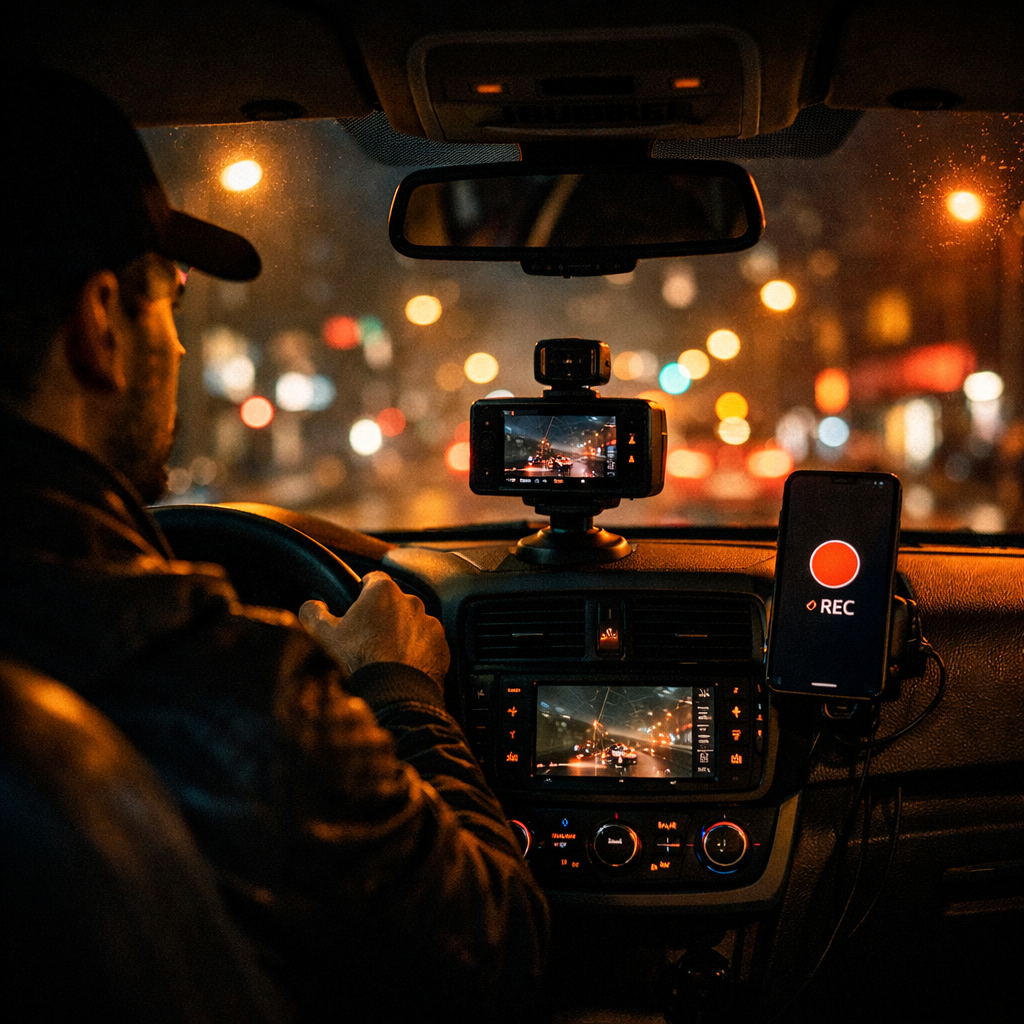
Uber has launched a pilot in the U.S. that enables rides to be recorded automatically by default. The feature, called Record My Ride, uses the driver’s front-facing phone camera to record video of the entire trip. Once active, the option appears in the app under the tag “Recorded Rides.”
The test is currently rolling out in four cities: Baltimore, Raleigh, Indianapolis, and St. Louis, with plans to bring the feature to additional locations down the line.
How Recorded Rides Work & When They’re Active
Uber is applying this recording default to certain ride scenarios—specifically, rides requested late at night or involving teenage passengers. Earlier experiments included a live-video streaming function for teen rides and audio recording for after-dark trips in some markets. The system may also trigger recording based on safety triggers, such as when a ride veers off its planned route or in potential accident scenarios.
Although recordings are default under those conditions, both drivers and riders retain control over whether video captures occur. Drivers can disable the Record My Ride feature in their Settings. Riders receive an in-app prompt and can refuse consent prior to the ride activating recording.
Balancing Safety and Privacy
Uber is clearly leaning into recording as a safety enhancement for its more vulnerable ride segments—teens, late hours, and unexpected operational incidents are prioritized. The collection of video in these situations is intended to deter misconduct, provide evidence in disputes, and improve overall trip security.
But this push comes with privacy trade-offs. Automatically starting recordings in certain rides without explicit user opt-in could raise concerns about surveillance and data use, especially among riders who may be unaware of when a video is being made. The ability for both parties to opt out helps, but whether that mitigates broader privacy issues remains to be seen.
Uber framed this move as part of its ongoing efforts to enhance safety through technology. The company has tested related features already in certain cities: audio recording for night-time trips and video streaming for teen rides. Recorded Rides builds on that trajectory, using more reliable, automated triggers. Uber says more cities will follow as the pilot expands.
Uber’s new default recording option represents a major shift in how ride-hailing apps may handle safety, balancing user safety claims with privacy implications. Riders should pay attention to settings and consent prompts when booking, while drivers will want to be aware of their opt-out controls. Going forward, regulatory scrutiny, regional privacy laws, and public sentiment will likely shape how widely and under what conditions auto-recorded rides become commonplace.