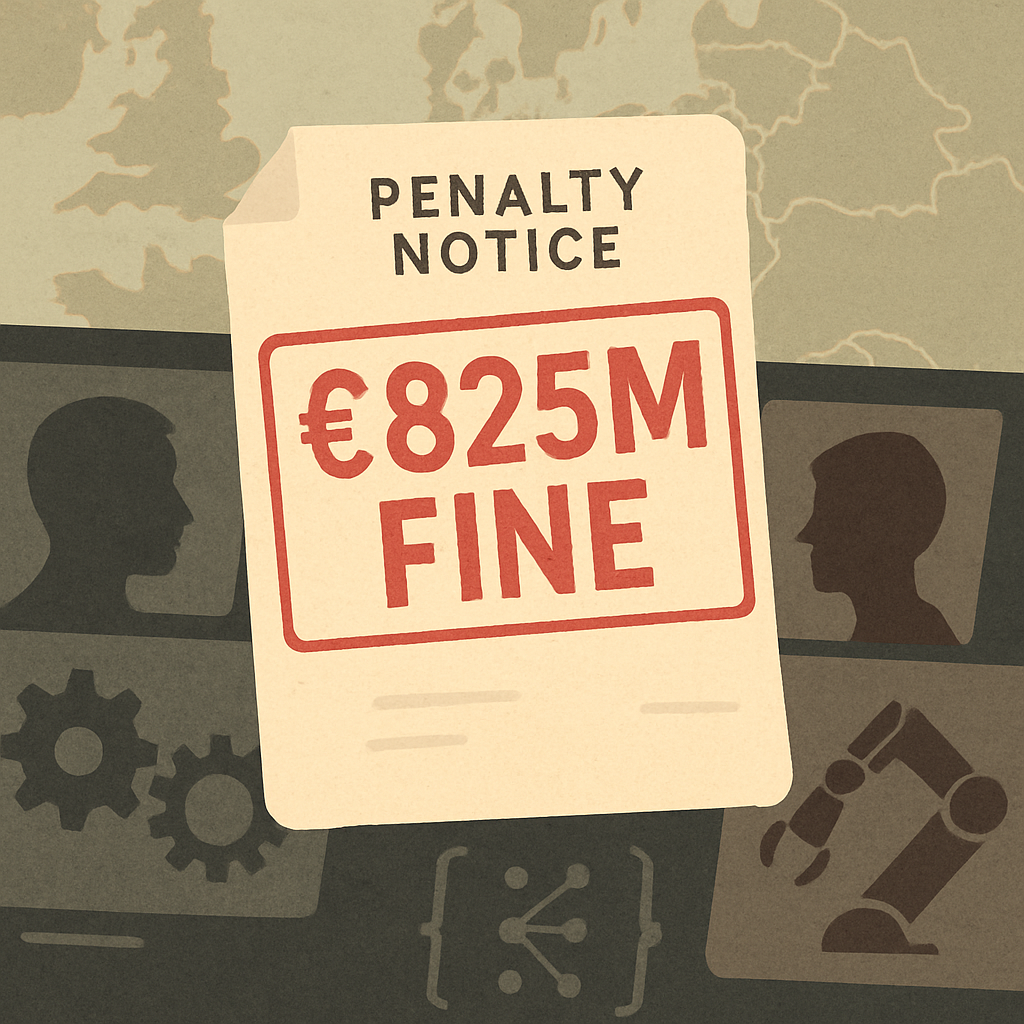
The Netherlands’ privacy watchdog has imposed an €825 million ($966 million) penalty on Uber for violating Europe’s General Data Protection Regulation (GDPR). The hefty fine follows claims that Uber suspended and deactivated driver accounts using automated tools, often without sufficient human oversight or warning. ([techcrunch.com](https://techcrunch.com/2026/08/23/uber-faces-fine-of-nearly-1b-over-automated-driver-suspensions/))
Automated Suspensions Under Fire
The Dutch Data Protection Authority found Uber in breach of GDPR rules over the way it handles driver account suspensions. The regulator cited instances where driver accounts were permanently deactivated without human review, even though Uber maintains that most suspensions are temporary and that appeal rights are in place. Uber has pledged to challenge the ruling. ([techcrunch.com](https://techcrunch.com/2026/08/23/uber-faces-fine-of-nearly-1b-over-automated-driver-suspensions/))
The complaints began in 2019, spearheaded by former Uber driver Brahim Ben Ali in France, who collaborated with data rights group PersonalData.io. Together, the group collected evidence from more than 170 other drivers to challenge Uber’s automated suspension practices at its European headquarters in the Netherlands. PersonalData.io emphasized that a single adverse report—even if rare—can have dramatic consequences for drivers with strong track records. ([techcrunch.com](https://techcrunch.com/2026/08/23/uber-faces-fine-of-nearly-1b-over-automated-driver-suspensions/))
Regulatory Context and Legal Fallout
This is the second-largest GDPR penalty ever handed out, underscoring Europe’s growing scrutiny of automated decision systems that affect individuals’ livelihoods. Prior fines for Uber in the Netherlands include a €290 million penalty related to data processing practices and a €10 million fine tied to similar issues. ([techcrunch.com](https://techcrunch.com/2026/08/23/uber-faces-fine-of-nearly-1b-over-automated-driver-suspensions/))
Dutch regulators called Uber’s behavior a serious infringement, stressing that a computer shouldn’t be the final arbiter in decisions with major repercussions. Uber insists that the system uses human review for permanent deactivations and that most suspensions are brief, but regulators say otherwise. Uber plans to appeal the decision, arguing that the fine is disproportionate. ([techcrunch.com](https://techcrunch.com/2026/08/23/uber-faces-fine-of-nearly-1b-over-automated-driver-suspensions/))
Earlier online commentary raised concerns that this ruling could hamper platforms’ ability to monitor misconduct among drivers—like scams or failures to show up—that rely on automatic flags. Regulatory authorities are arguing for greater responsibility and transparency in automated systems, insisting companies must take ownership of decisions affecting individuals, including treating them more like employees in some respects. ([techcrunch.com](https://techcrunch.com/2026/08/23/uber-faces-fine-of-nearly-1b-over-automated-driver-suspensions/))
The Dutch case is one of several escalating actions in the EU against gig economy platforms and automated decision tools. Regulators are increasingly investigating how tech platforms balance automation with due process, oversight, and data protection obligations. The Uber ruling reflects a tightening regulatory environment where automated systems are no longer shielded from accountability under GDPR. ([techcrunch.com](https://techcrunch.com/2026/08/23/uber-faces-fine-of-nearly-1b-over-automated-driver-suspensions/))
This decision could reshape how gig platforms implement suspension policies and automated decision-making across Europe. Companies using algorithms to manage workforce behavior will need clearer audit trails, greater human oversight, and stronger appeal mechanisms. Regulators are setting a precedent: the trade-off between efficiency and fairness may finally tip toward the latter.