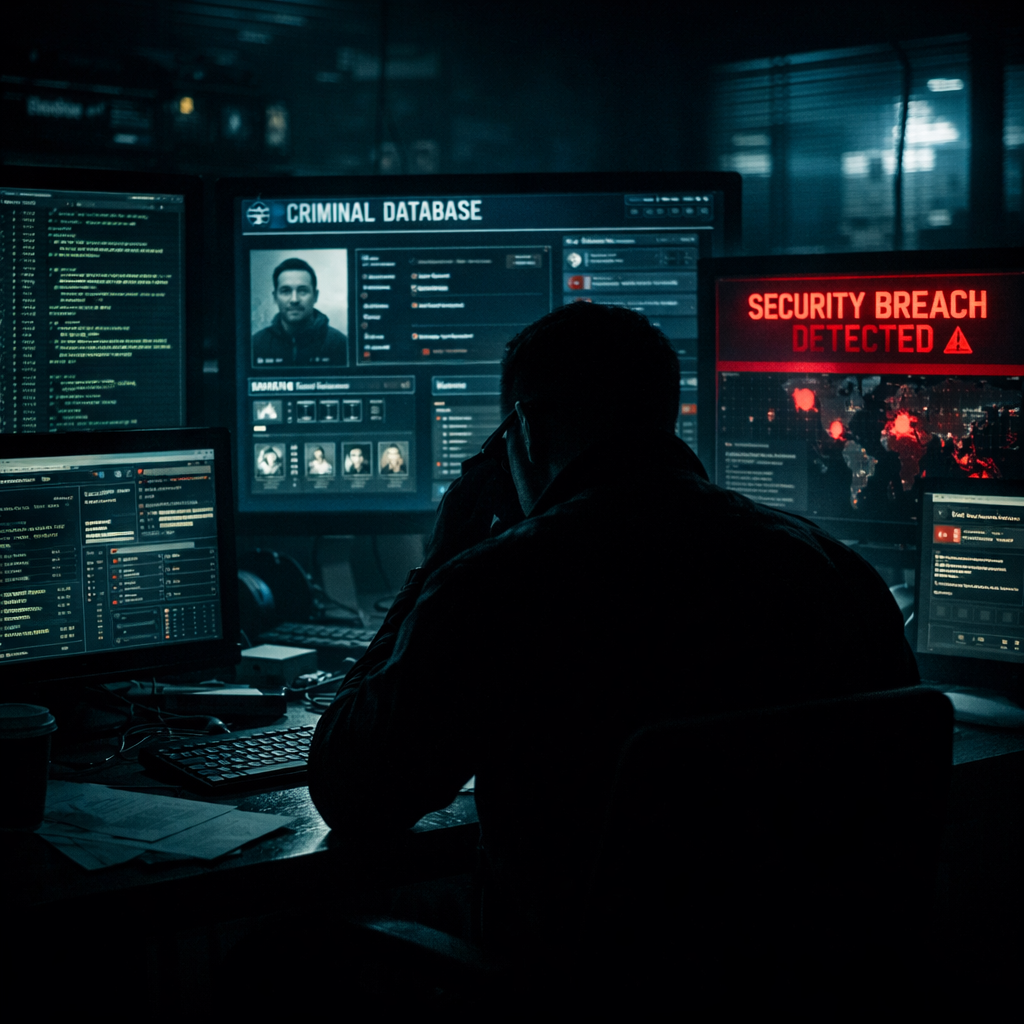
Federal authorities are probing a possible breach of the National Crime Information Center (NCIC) database, a key system that law enforcement agencies at all levels use to share data on warrants, background checks, and other criminal justice matters.
The extent and nature of the breach remain unclear. Officials are especially concerned not only about exposure of sensitive data but also the potential for someone to manipulate records — a scenario that could mislead law enforcement officers who rely on the system’s accuracy.
Trump Responds Amid Uncertain Fallout
In a recent interview, President Donald Trump commented on the incident, describing it simply as “not good” while acknowledging that the reported breach is new. He also suggested that the situation might bring to light information that was previously hidden — referencing past criticism over investigations labeled by some as politically motivated or unfounded.
This reaction comes on the heels of reports that in September, the FBI informed agents and staff that their personal data was stolen in another cyberattack — underlining ongoing concerns about the bureau’s cybersecurity posture.
What’s at Risk and What’s Next
The NCIC is foundational to law enforcement operations, offering rapid access to data used in criminal investigations, arrest warrants, and cross-jurisdictional records. A breach here could undermine public safety and trust, especially if criminals are falsely described or real suspects go unflagged.
Federal authorities are still investigating how extensive the hack is — which segments of NCIC were affected, how many records were accessed, whether the data’s integrity was compromised, and who might be responsible. Both business and civil rights leaders are watching closely, given the implications for privacy, accuracy, and institutional accountability.
The breach could also trigger policy or operational changes: more funding for cybersecurity at the DOJ, stricter oversight of shared databases, or revised rules about who can access and update critical law enforcement systems.
The NCIC hack story remains unfolding, with key questions still to be answered: What precise data was stolen? Could the records have been altered? Who has access to them? How quickly will the FBI be able to restore confidence in the system?
Why This Matters: A compromise of NCIC would strike a blow to law enforcement’s trust landscape. The repercussions wouldn’t be only technical; they touch legal accountability, civil rights, and national security. As investigators race to determine the scope, their findings will likely affect policy reforms, budgeting for federal systems, and oversight over shared criminal databases. What happens next could reshape how data integrity is protected within both technological and legal frameworks.