For years, one of the biggest pain points with USB-C cables has been figuring out what each cable can actually do. They all look pretty much the same—some carry low power, some high power, some support display output or fast data transfer speeds—but unless you pull up tech specs or packaging, it’s often unclear which is which.
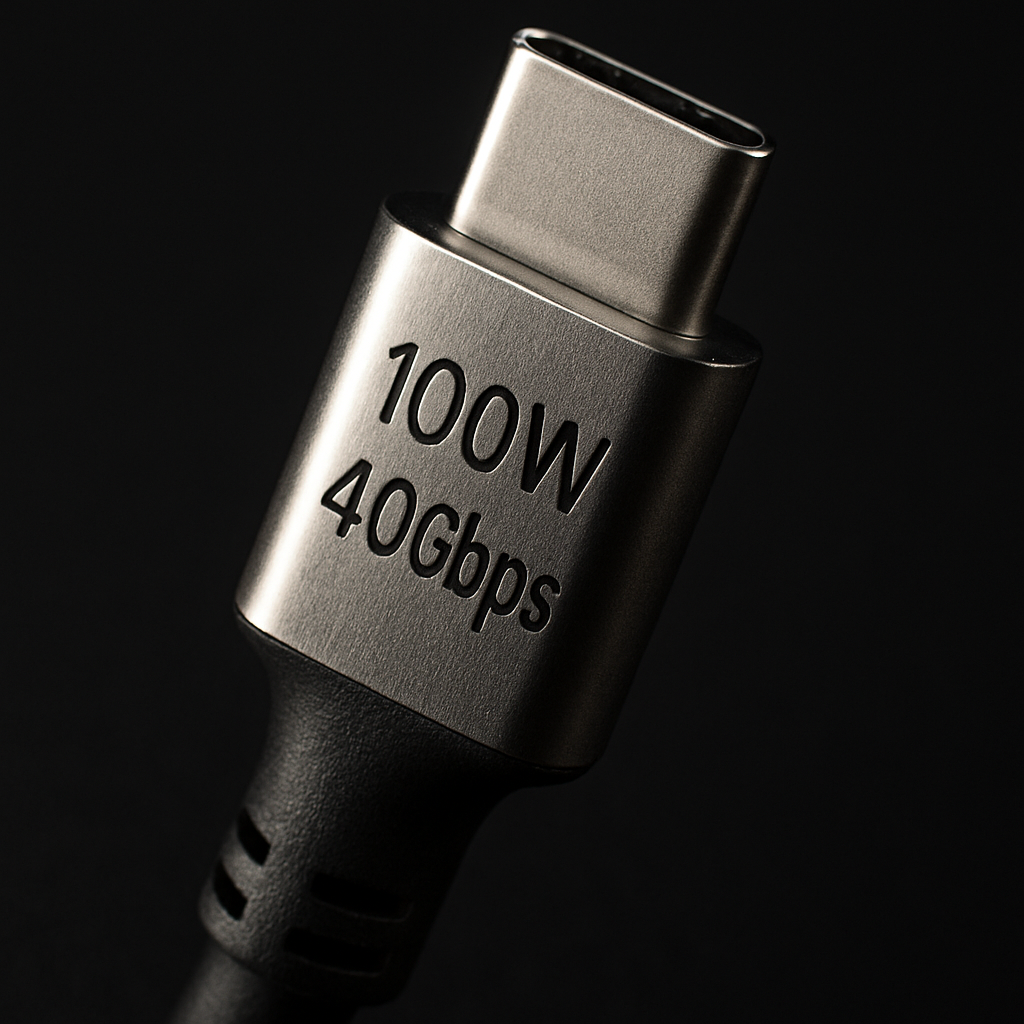
LTTStore has introduced a new line called “TrueSpec” that tackles this issue head-on. These USB-C cables not only adhere closely to the official USB-C specifications, but also have their capabilities—power delivery, data transfer speeds—etched directly onto the ends of the cable. Packaging echoes that clarity too.
Build, Variants, and Price
The TrueSpec cables aren’t fancy in terms of flashy aesthetics—no glitter or exotic materials—but their build quality is solid. They use thick rubber sheathing, which suggests durability, though the bulk of the cable might be a downside for folks who carry cables in backpacks or small organizer pouches.
The product lineup includes both type USB-C to USB-C and USB-A to USB-C versions. Pricing starts at about $22 for the USB-C-to-USB-C models, and around $17 for the USB-A-to-USB-C options. That puts them above the absolute cheapest generic cables, but with a clear argument: more useful labeling and proper spec adherence.
Where This Fits in the USB-C Ecosystem
Yep, cables etched with specs aren’t entirely new. There have been some cables in niche stores or smaller brands doing this for a while, and the USB-IF has guidance about labeling too. But in practice, most cables—for cost, design, or convenience reasons—don’t carry that info clearly. TrueSpec seems to be the first mainstream line doing it consistently and professionally.
This is especially useful since USB-C’s flexibility is its double-edged sword. One cable may be completely fine for charging a phone slowly, but useless if you try to power a laptop or do video output. When you have so many cable classes, wattages, and speed ratings, knowing exactly what a cable supports without guessing becomes a serious quality-of-life win.
Of course, price will matter. For everyday charging, cheapest generics are still tempting. But between weak construction, missing or inaccurate labels, and disappointing performance, the extra few dollars for a cable that tells you what it does might well pay off.
What this means: Labeling cable ends with specs should’ve been standard this whole time. LTTStore’s TrueSpec shows just how big a difference clear labeling makes—not just for peace of mind, but for avoiding costly mismatches and daily annoyances.