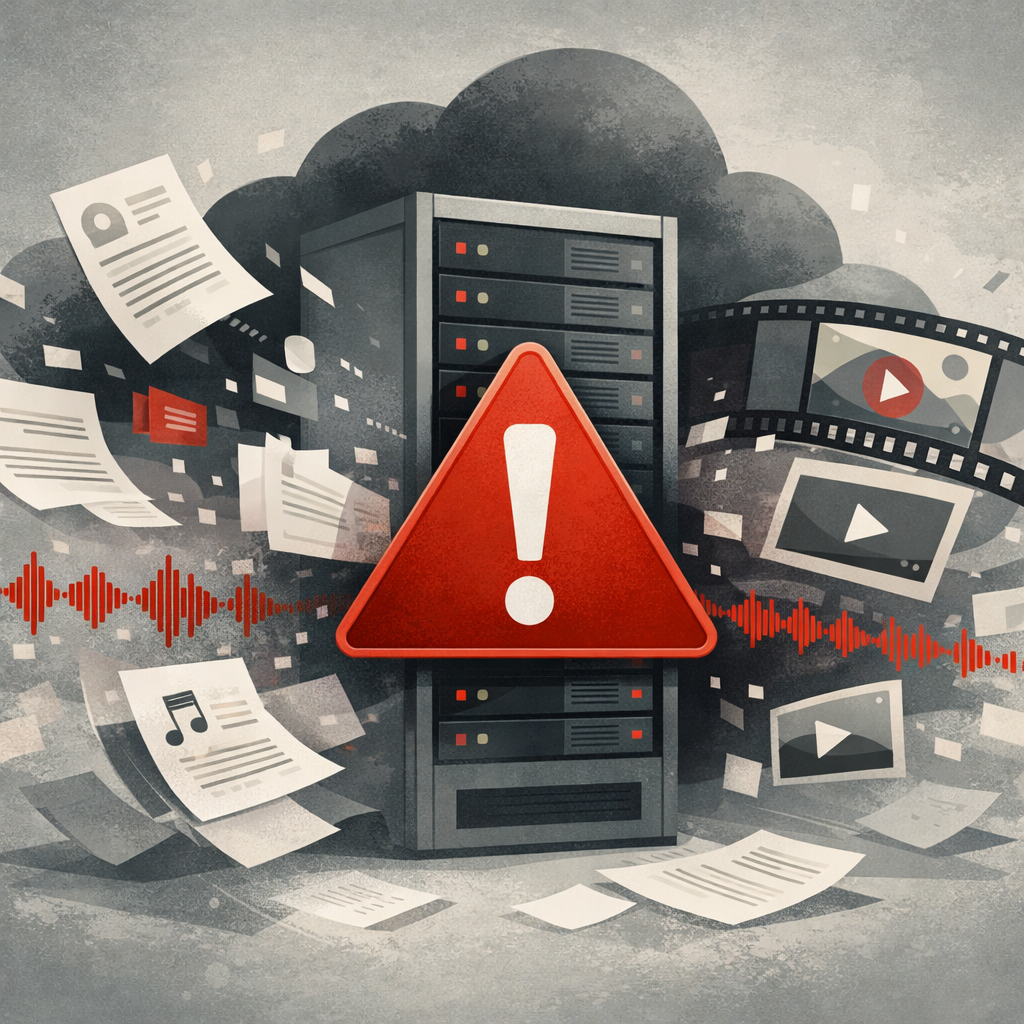
A San Francisco transcription company that works with law enforcement, prosecutors, and major tech firms recently suffered a serious data exposure after leaving sensitive files publicly accessible online.
The breach involved internal data belonging to Tigerfish, including full transcription records of police interviews, raw audio and video content such as body-cam footage, and source materials. Financial details like customer invoices were also exposed. Many of its clients are government bodies including prosecutors and police departments. The vulnerability was discovered when a researcher found that an Amazon S3 bucket containing all of this material was openly exposed—that is, anyone could access it without a password or authentication. The cloud storage address was easy to guess. This exposure persisted until it was found in October. The researcher alerted Tigerfish but initially got no response.
How the Exposure Was Discovered
The breach came to light when Anurag Sen, a security researcher known for tracking exposed datasets, located the files while using automated tools to scan for sensitive information accessible on the open web. Once he identified the exposed bucket, he attempted to reach out to Tigerfish. When no reply came, he shared the findings with the media to prompt a fix.
Tigerfish later took action—confirming that it blocked all public access to the exposed bucket, including directory listings and individual files. It also said it checked its other S3 buckets and ensured they too were no longer publicly accessible. The company explained that the researcher’s warning had landed in its spam folder at first. It’s unclear whether customers affected by the breach have been directly notified; requests for comments on this issue went unanswered.
Error, Not Malice
Security experts emphasize that this kind of leak often isn’t the result of malicious hacking but simple human error. Misconfigured cloud storage, leaving off authentication during testing, or deploying code with default access settings can all lead to exposures like this. In this case, those kinds of slips appear to be at the core of what happened to Tigerfish.
The incident reflects broader vulnerabilities in today’s tech landscape. As cloud storage becomes more complex and AI tools make detection easier, even basic missteps can trigger major breaches. Platforms are increasingly adding warnings, checks, or default restrictions on public access to storage services such as S3 to reduce risk. But researchers note that many organizations still haven’t adopted strong security hygiene that treats exposure prevention as a priority.
Tigerfish’s breach underscores how critical it is for entities handling sensitive data—especially law enforcement and tech firms working with confidential records—to maintain rigorous security practices. Locked-down authentication, regular audits, and clear notification paths when issues arise are all vital. It also raises questions about accountability when public-sector data gets exposed through third-party contractors.
What this all means is simple: no matter how important your organization or how sophisticated your systems, misconfigurations in the cloud remain one of the most common and damaging security threats. Given this exposure, it’s essential for any company handling sensitive data to proactively audit storage settings, monitor access, and ensure that warnings or alerts from external researchers are taken seriously and investigated immediately.