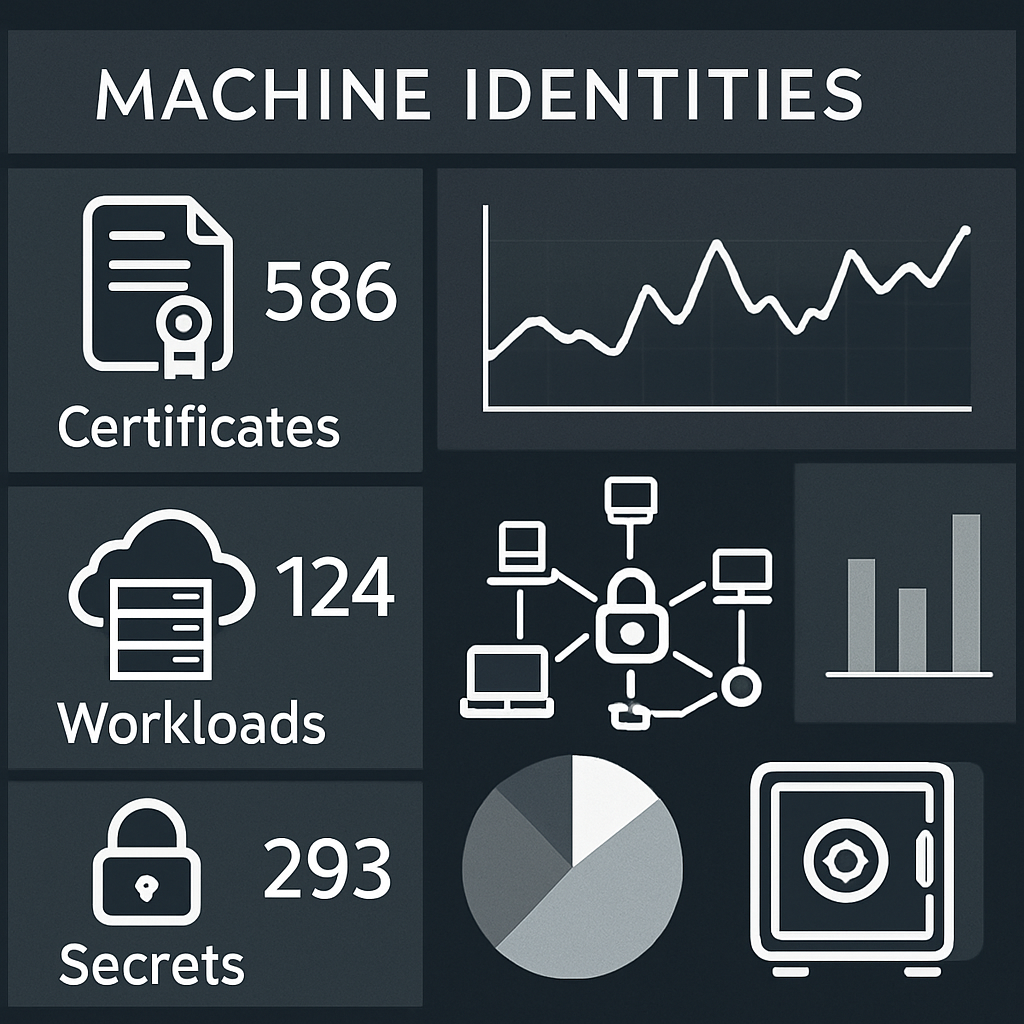
Machine identity management has become mission-critical in 2026. With workloads, containers, and scripts all having identities—and non-human identities now outnumbering human ones by orders of magnitude—poorly managed machine identities are a major attack vector. Manual certificate processes and legacy workflows can’t handle the rapid renewal cycles security now demands. This year’s ranking of the top machine identity management platforms highlights a new urgency: automation, discovery, and unified credential management are table stakes. Organizations that don’t have these baked in risk outages, breaches, or regulatory problems.
🍽️ Who Came Out on Top in 2026
The top tools are evaluated across five criteria: automation depth (30%), estate discovery (25%), lane breadth—how many types of machine identity (certs, workloads, secrets) are supported—20%, pricing transparency (15%), and ecosystem integrations (10%). Here are the key players and what they do best:
- Aembit: Leading in workload IAM and secretless access. Designed for cloud-native environments using SPIFFE/SVID for machine-to-machine identity without long-lived credentials. Best for securing microservices without embedding secrets. Score not rated (N/R) but stands out in depth for workloads.
- Keyfactor: Excels at combining PKI and certificate lifecycle management. Strong in open-source roots (EJBCA), IoT device identity, issuance via ACME, SCEP, EST. Born for large enterprises with mixed device types.
- DigiCert: The go-to for CA-of-record management. Known for public and private certificate issuance at scale and pushing for shorter certificate lifetimes (as low as 47 days) to prevent outages. Good choice if you’re running your CA estate and need trust and brand reputation.
- AppViewX: Strong in actual deployment orchestration. Not just renewing certs—pushing them through load balancers, ADCs, cloud networks. Ideal if deployment automation (especially for devices like F5 BIG-IP or K8s) is delayed and hurting uptime.
- HashiCorp (Vault PKI): Known for dynamic certificate issuance and short-lived credentials out of the box. Best suited to teams already using Vault; it brings secrets and certificates into one system—especially useful in microservice or DevOps-heavy setups.
- Akeyless: Best for unified SaaS: secrets, certificates, PKI in one format. Zero-knowledge architecture, dynamic issuance, built-in certificate automation. Trade-offs exist in feature depth for very large estates but excellent for consolidation.
- Entrust: High assurance roots. HSM-backed key material and signing ceremonies. Built for audit-heavy, compliance-heavy operations or when you need hardware-rooted trust with PKI.
- Microsoft: Best for bundled device PKI, especially if you’re already in the Microsoft ecosystem. Intune Cloud PKI, AD CS heritage, SCEP profiles—if you have Windows, you may already own much of this.
- Sectigo Certificate Manager: Best for full certificate lifecycle management. Discovery, issuance, renewal, inventory—all in one platform. Geared toward enterprises needing centralized control and automation of public/private PKI.
- GlobalSign: Best at large-scale issuance via API. Great for IoT, devices, or any high-volume cert programs, especially in regulated or regional climates (e.g., EU roots).
🛠️ What to Focus On Now
These takeaways emerged loud and clear:
- Automation is no longer optional.With TLS lifetimes pushing toward maximums of ~47 days, manual renewal is becoming untenable. If your process still involves spreadsheets or emails, that’s a risk.
- Discovery matters—from end to end.You likely have untracked certificate estates, device CAs, internal PKI infrastructure. If you don’t know every identity your machines present, you’re playing catch-up.
- Separate the lanes.Certificate estates, workload identities, and unified machine credentials should each be treated as distinct programs. Tools like Akeyless, SPIRL (for the SPIFFE standard), and Vault are leaders in these different areas.
After rigorous scoring, CyberArk’s Venafi remains in first place, a crown it claims for depth across certificate estates. Close behind are Keyfactor and DigiCert, both bringing strong offerings: one with end-to-end PKI plus lifecycle management, the other with CA-of-record expertise and brand trust. Frontier momentum is with providers focusing on workload identity (SPIRL) and unified credentials (Akeyless). If you’re evaluating purchasing decisions, count your machines honestly, automate before certificates expire unexpectedly, and treat machine identities with the same governance you’d use for human users. Humans stole the spotlight years ago—2026 is the year machines aren’t allowed a backdoor.