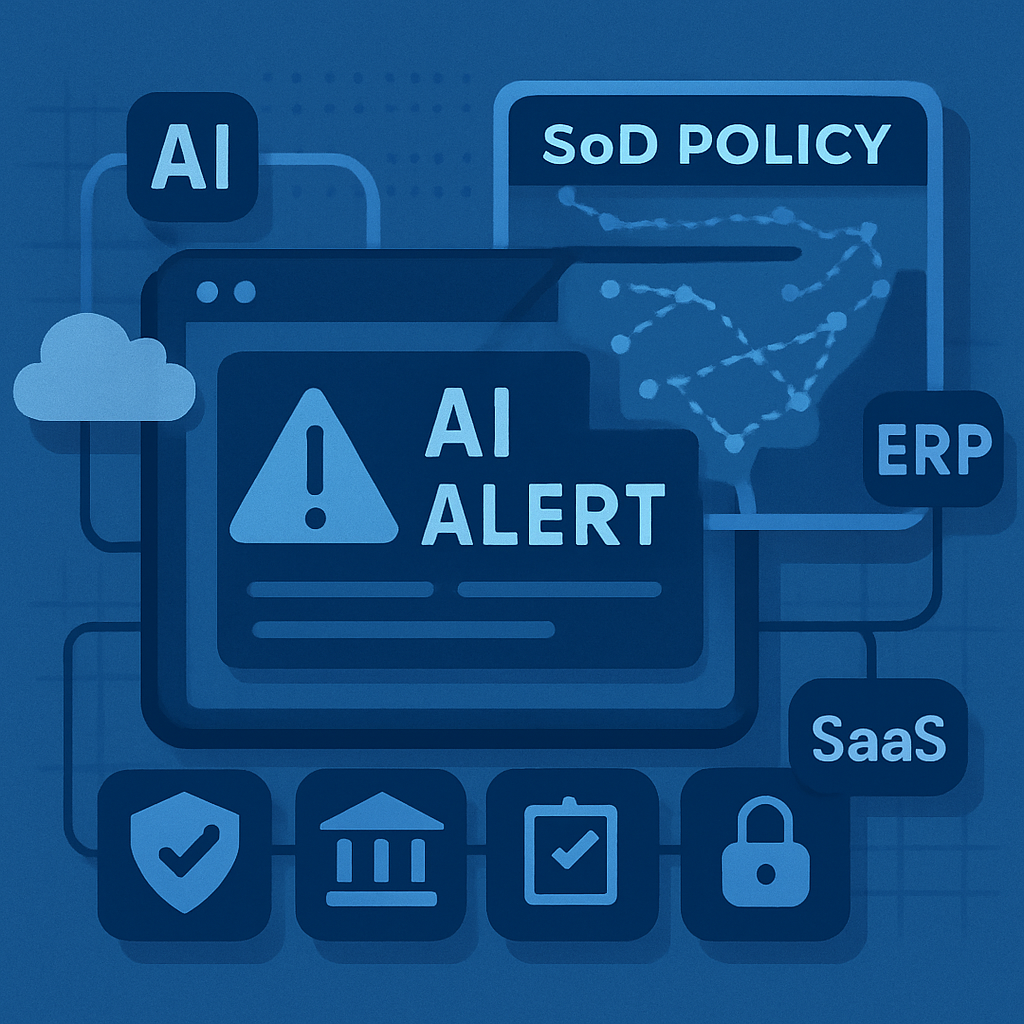
Identity Governance & Administration (IGA) tools have become essential for organizations under pressure to prove who has access to sensitive systems—and to manage that access automatically. In 2026, audit demand, SoD (separation-of-duty) compliance, ERP risk, and identity spam are pushing IGA platforms to evolve rapidly. Here’s a comparison of the top 10 IGA tools this year—where each shines, where each lags, and how to choose the right one.
How We Rated Them
Ten leading IGA platforms were assessed using five weighted criteria: (1) certification & SoD depth (25%), (2) lifecycle/provisioning breadth including joiner-mover-leaver automation (25%), (3) AI & analytics—recommendation engines, role mining, outlier detection (20%), (4) deployment speed and time-to-value (15%), and (5) value with pricing transparency (15%). Each tool was scored and compared across these dimensions. Pricing models vary: many vendors use per-identity quotes; one major player publishes add-on pricing.
Top Performers & Best Fits
SailPoint leads the pack overall. It delivers AI-assisted certification, mature SoD enforcement, a broad connector catalog, and strong role mining. It’s built for enterprises pushing for regulatory compliance, but comes with higher costs per identity.
Saviynt is the cloud-native challenger. It converges IGA, CIEM (Cloud Infrastructure Entitlement Management), and app governance into a unified platform. Especially strong for organizations with ERP-level SoD demands that also want governance across multi-cloud and SaaS environments. Setup can be complex, however.
Microsoft Entra ID Governance
One Identity
Omada
Oracle Access Governance
Okta Identity Governance (OIG)
IBM Verify Governance
RSA Governance & Lifecycle
Ping Identity (including ForgeRock)
Making the Right Choice
Organizations should anchor their selection on three questions. First, how deep are their SoD and ERP risks? If it’s critical, vendors like SailPoint or Saviynt will deliver unmatched breadth. Second, where does identity live—in Microsoft 365, AD/SAP, Oracle, SaaS? If one platform dominates, choosing a governance tool that integrates natively there can save cost and friction. Third, how much value comes from AI and automation? Features like role mining and recommendation engines often turn tedious certification into meaningful risk assessment rather than just audit paperwork.
Pricing models matter too. Most major platforms charge per governed identity and require quotes; Microsoft offers published add-on costs, while Okta bills per user add-on. Also keep guests, machine identities, and non-employee access in scope—these are leading causes of audit failures.
One standout trend: convergence. Platforms combining IGA with CIEM or cloud governance are becoming strong favorites. With more hybrid, multi-cloud, and SaaS-centric environments, singular tools that handle both identity governance and cloud entitlement are proving efficient both for implementation and compliance.