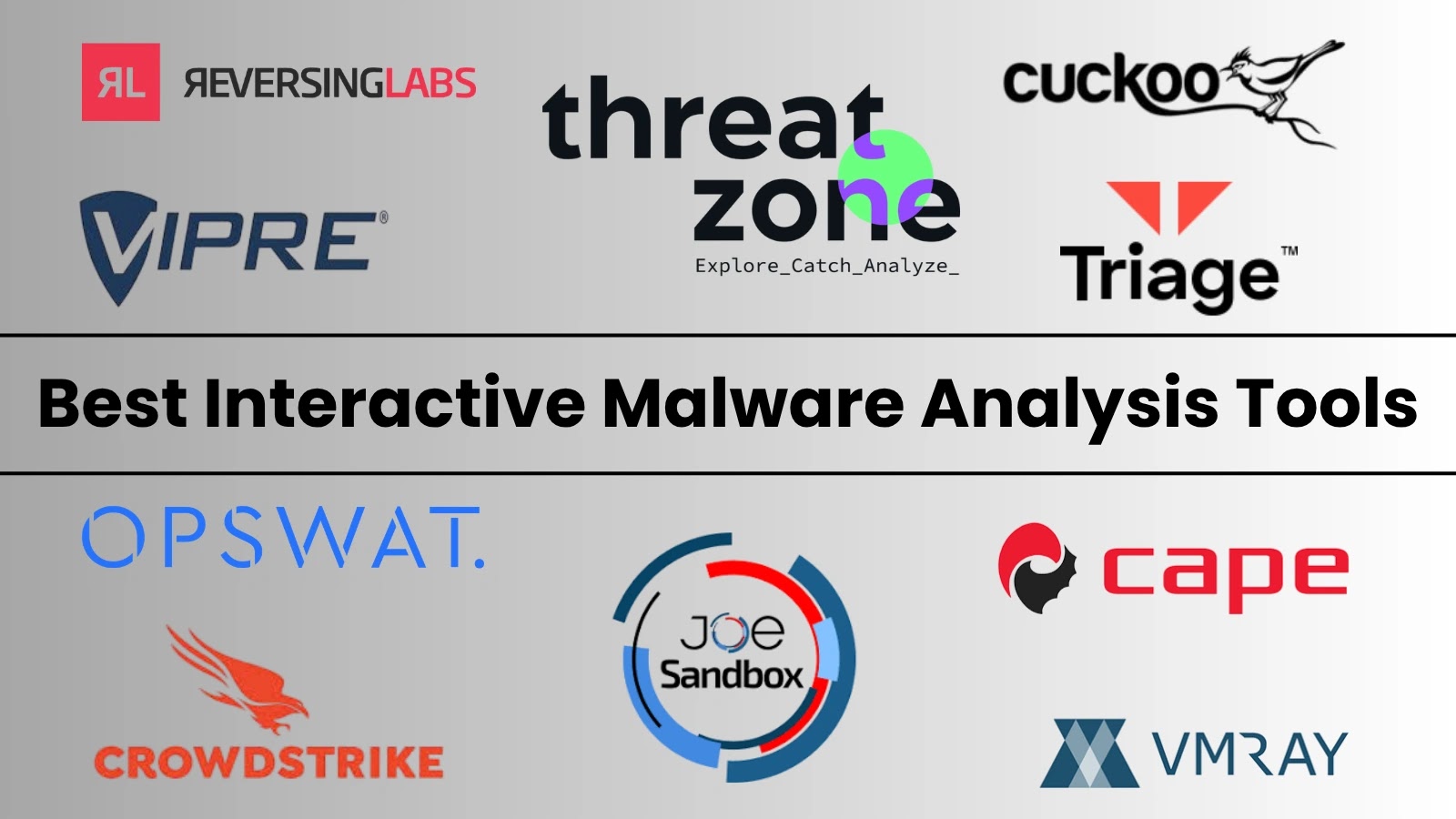
Top 10 Interactive Malware Analysis Tools to Enhance Cybersecurity in 2026
In the ever-evolving landscape of cybersecurity, the sophistication of malware continues to challenge traditional defense mechanisms. As we progress through 2026, cyber threats have become more advanced, employing techniques that evade standard detection methods. To effectively combat these threats, security professionals are turning to interactive malware analysis tools. These platforms provide controlled environments where malicious code can be executed and observed in real-time, offering invaluable insights into malware behavior.
Understanding Interactive Malware Analysis
Interactive malware analysis involves executing suspicious files within a secure, isolated environment to monitor their behavior. Unlike static analysis, which examines code without execution, interactive analysis allows for real-time observation of how malware interacts with systems, networks, and user inputs. This approach is crucial for identifying complex threats that may remain dormant or undetected through static methods.
Key Features to Consider
When selecting an interactive malware analysis tool, consider the following features:
– Real-Time Interaction: The ability to interact with the malware during execution, such as clicking through installers or entering data, to trigger specific behaviors.
– Comprehensive Monitoring: Detailed tracking of system changes, network communications, and process activities initiated by the malware.
– Anti-Evasion Techniques: Capabilities to detect and counteract malware designed to recognize and evade analysis environments.
– Integration Capabilities: Seamless integration with existing security infrastructure, such as Security Information and Event Management (SIEM) systems and Threat Intelligence Platforms (TIPs).
– User-Friendly Interface: An intuitive interface that allows analysts to efficiently navigate and utilize the tool’s features.
Top 10 Interactive Malware Analysis Tools in 2026
1. ANY.RUN
ANY.RUN is a cloud-based interactive sandbox that allows analysts to manually interact with malware in real-time. This platform supports live collaboration, enabling multiple users to analyze the same session simultaneously. Features include real-time process monitoring, network tracking, and integration with various threat intelligence feeds. ANY.RUN’s interactive approach is particularly effective for analyzing malware that requires user input to execute its payload. ([any.run](https://any.run/?utm_source=openai))
2. ThreatLab
ThreatLab offers an interactive malware analysis sandbox that operates entirely on local machines, ensuring data privacy and security. It provides isolated virtual machines with live desktop interaction, AI-powered threat assessment, and comprehensive monitoring across processes, networks, and files. ThreatLab’s platform is designed for deep visibility and simplified analysis, making it a valuable tool for incident investigation. ([threatlabsandbox.com](https://threatlabsandbox.com/?utm_source=openai))
3. Joe Sandbox
Joe Sandbox is a versatile analysis platform supporting a wide range of operating systems, including Windows, macOS, Linux, and Android. It offers deep static and dynamic analysis, code deobfuscation, and behavior graphing. Joe Sandbox’s detailed reports and extensive API support make it suitable for integration into various security workflows.
4. Hatching Triage
Hatching Triage is a cloud-native malware analysis platform that emphasizes speed and scalability. It provides automated and interactive analysis capabilities, supporting a broad spectrum of file types. With its focus on rapid processing and detailed reporting, Hatching Triage is ideal for organizations requiring high-throughput analysis.
5. FileScan.IO
FileScan.IO offers a cloud-based platform for analyzing files and URLs, providing both automated and interactive analysis options. It features real-time monitoring, threat intelligence integration, and a user-friendly interface. FileScan.IO’s emphasis on accessibility and comprehensive analysis makes it a valuable tool for security teams of all sizes.
6. VMRay
VMRay provides agentless malware analysis, ensuring that the analysis environment remains undetectable by sophisticated malware. It offers deep visibility into malware behavior, including code execution paths and memory analysis. VMRay’s high-performance architecture and detailed reporting are beneficial for advanced threat research and incident response.
7. Cuckoo Sandbox
Cuckoo Sandbox is an open-source automated malware analysis system that allows for customization and extension. It supports a wide range of file types and provides detailed reports on system behavior, network activity, and memory analysis. Cuckoo’s flexibility and community support make it a popular choice for organizations seeking a customizable analysis solution.
8. Cape Sandbox
Cape Sandbox is an extension of Cuckoo Sandbox, focusing on enhanced capabilities for analyzing malware that employs anti-analysis techniques. It offers improved detection of evasive behaviors and provides detailed insights into malware operations. Cape Sandbox’s focus on countering sophisticated evasion tactics makes it a valuable tool for advanced malware analysis.
9. ThreatAnalyzer (VIPRE)
ThreatAnalyzer, developed by VIPRE, is an interactive malware analysis platform that provides a controlled environment for executing and observing malware. It offers features such as customizable virtual environments, detailed behavioral analysis, and integration with threat intelligence feeds. ThreatAnalyzer’s emphasis on customization and detailed reporting supports comprehensive threat analysis.
10. Falcon Sandbox (CrowdStrike)
Falcon Sandbox, part of CrowdStrike’s suite of security tools, offers automated and interactive malware analysis capabilities. It provides in-depth behavioral analysis, threat intelligence integration, and detailed reporting. Falcon Sandbox’s integration with CrowdStrike’s broader security ecosystem enhances its utility for organizations seeking a comprehensive security solution.
Conclusion
As cyber threats continue to evolve, the importance of interactive malware analysis tools cannot be overstated. These platforms provide security professionals with the means to safely execute and study malicious code, gaining critical insights into its behavior and developing effective countermeasures. By incorporating these tools into their security operations, organizations can enhance their ability to detect, analyze, and respond to sophisticated cyber threats in 2026 and beyond.