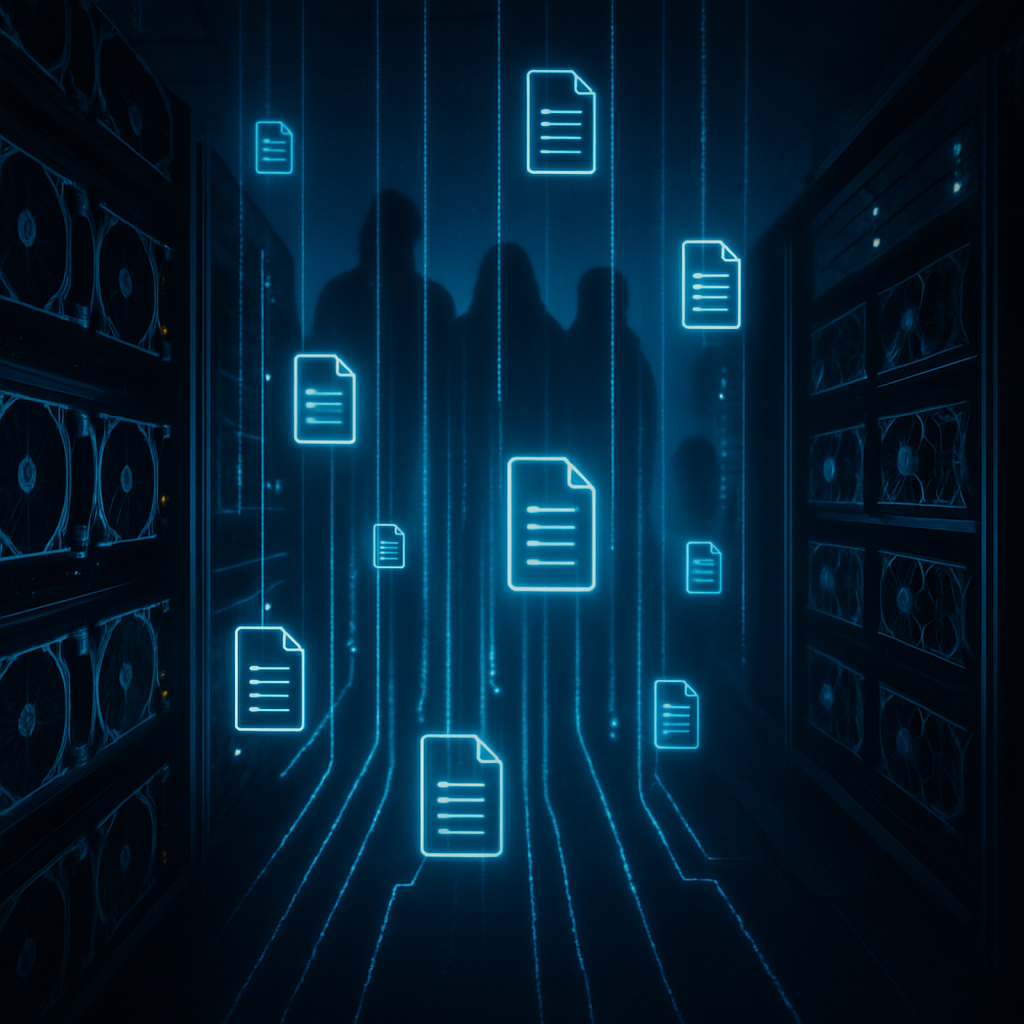
A new ransomware group called TITAN has asserted that its AI platform can sift through 700 GB of stolen corporate documents every hour. The gang claims it can quickly detect sensitive materials like financial data, trade secrets, personal information, legal files and internal correspondence to build more effective extortion demands. While these allegations are generating alarm, independent verification remains lacking.
Who’s Behind TITAN and How It Operates
TITAN emerged in early 2026 with a ransomware-as-a-service (RaaS) model, fully operational by May. Its affiliates reportedly gain access to victims’ networks through exposed VPNs, firewall vulnerabilities or remote management tools. Once inside, data is exfiltrated prior to deploying a Windows-based encryption tool. So far, security analysts attribute 24 victims to TITAN across 10 countries. Italy is hardest hit with nearly half of the cases, followed by the Czech Republic and the U.S. Manufacturing and professional services sectors are the most targeted.
AI Claims, Affiliate Model & Defensive Steps
The group promotes a proprietary AI-driven analysis system, supposedly running on AMD EPYC servers and leveraging GPU acceleration. TITAN claims the system classifies mixed documents by sensitivity—spanning financial, legal, and personal data as well as trade secrets, intellectual property, and correspondence—at 700 GB per hour. Additional features allegedly include detecting false invoices, uncovering undisclosed revenues, mapping relationships between entities, and pinpointing files likely to inflict the most reputational or regulatory harm.
Though the group says the platform aligns with over 50 privacy frameworks and offers customizable notice packages for regulators, tax authorities and media, those claims are unverified. Experts caution that such statements may be more propaganda than proven capability.
TITAN’s affiliate program splits ransom payments heavily in favor of partners—90% to affiliates, 10% platform fee. Prospective affiliates undergo vetting for criminal history, technical skill and prior intrusion track records. Payment options include Bitcoin, Monero and shielded Zcash routed through mixing services. Although TITAN claims to exclude targets like hospitals, schools and emergency services, such exclusions provide little assurance in practice. Attack techniques reportedly include use of PowerShell, WMIC and PsExec for lateral movement, rapid dwell times of three to five days, and tampering with Windows Volume Shadow Copies.
How Organizations Should Respond
Defenders are urged to patch external VPN, firewall and remote management systems immediately. Safeguards like phishing-resistant multi-factor authentication should be enforced, and privileged credentials reset when anomalies are detected. Network segmentation, especially around administrative systems and backups, is key. Monitoring for shadow-copy manipulation and maintaining immutable, offline backups are also critical. Finally, legal, communications and regulatory teams need to be part of incident planning—should TITAN’s rapid data analysis and disclosure claims turn out to be real.
Even without proof of TITAN’s full AI claims, the group’s combination of data theft, leak sites and ransomware payloads reflects a broader shift in the threat landscape. Companies can no longer rely on restoring systems from backups alone—data exposure can pose equally severe risks of compliance failures, reputational damage, or regulatory penalties. Fast disclosure pressures may force organizations to act more swiftly than ever in both prevention and response.