As Generation Z increasingly seeks authentic, in-person connections over digital interactions, Tinder is adapting by significantly expanding its in-real-life (IRL) events. By the end of September, the dating app plans to introduce these events in 26 cities worldwide, aiming to bridge the gap between online matching and face-to-face meetings.
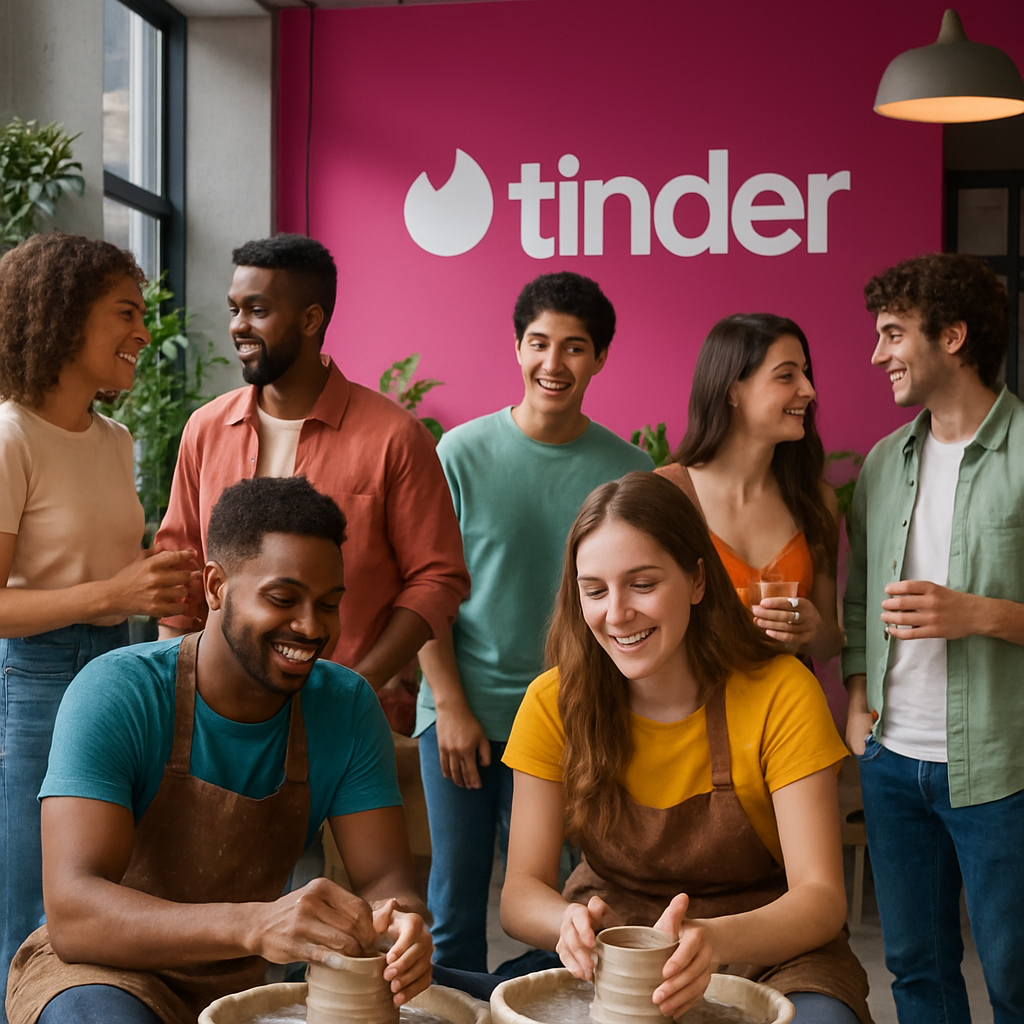
In March, Tinder launched its Events tab in Los Angeles, offering users curated local activities such as speakeasies, bowling nights, raves, and pottery classes. This initiative resonated particularly well with younger users; 71% of active Tinder members aged 18 to 24 in LA engaged with the new feature. Encouraged by this response, Tinder has since rolled out the Events tab in nine additional cities across the U.S. and Europe, with plans to reach 75 cities globally by the end of 2026.
Match Group CEO Spencer Rascoff highlighted the importance of this expansion during the company’s second-quarter earnings call. He noted that nearly half of singles aged 18 to 29 express a desire for shared in-person experiences that could lead to deeper connections. Recognizing the challenges this demographic faces in transitioning from online interactions to real-life meetings, Tinder is focusing on providing social, low-pressure environments to facilitate these connections.
The strategy behind scaling these events involves partnerships with leading event providers, allowing Tinder to offer a diverse range of activities without directly managing them. This approach not only broadens the app’s appeal but also provides valuable insights into user preferences and behaviors.
Despite a reported 7% decline in monthly active users in the second quarter, slightly better than the previous quarter’s 8% drop, Tinder remains optimistic. Rascoff mentioned that daily active user growth is expected to turn positive imminently, marking a potential end to over three years of stagnation in this metric.
In the broader context, the dating app industry is witnessing a shift. Competitors like Bumble are also exploring new avenues to engage users, such as introducing AI-driven features and overhauling their platforms to cater to evolving preferences. Tinder’s emphasis on IRL events reflects a strategic move to align with these changing dynamics, offering users more meaningful and tangible experiences.
By integrating real-world events into its platform, Tinder is not only addressing the desires of Gen Z but also redefining the online dating landscape. This initiative could set a precedent for how dating apps evolve to meet the needs of a generation that values authenticity and face-to-face interactions.