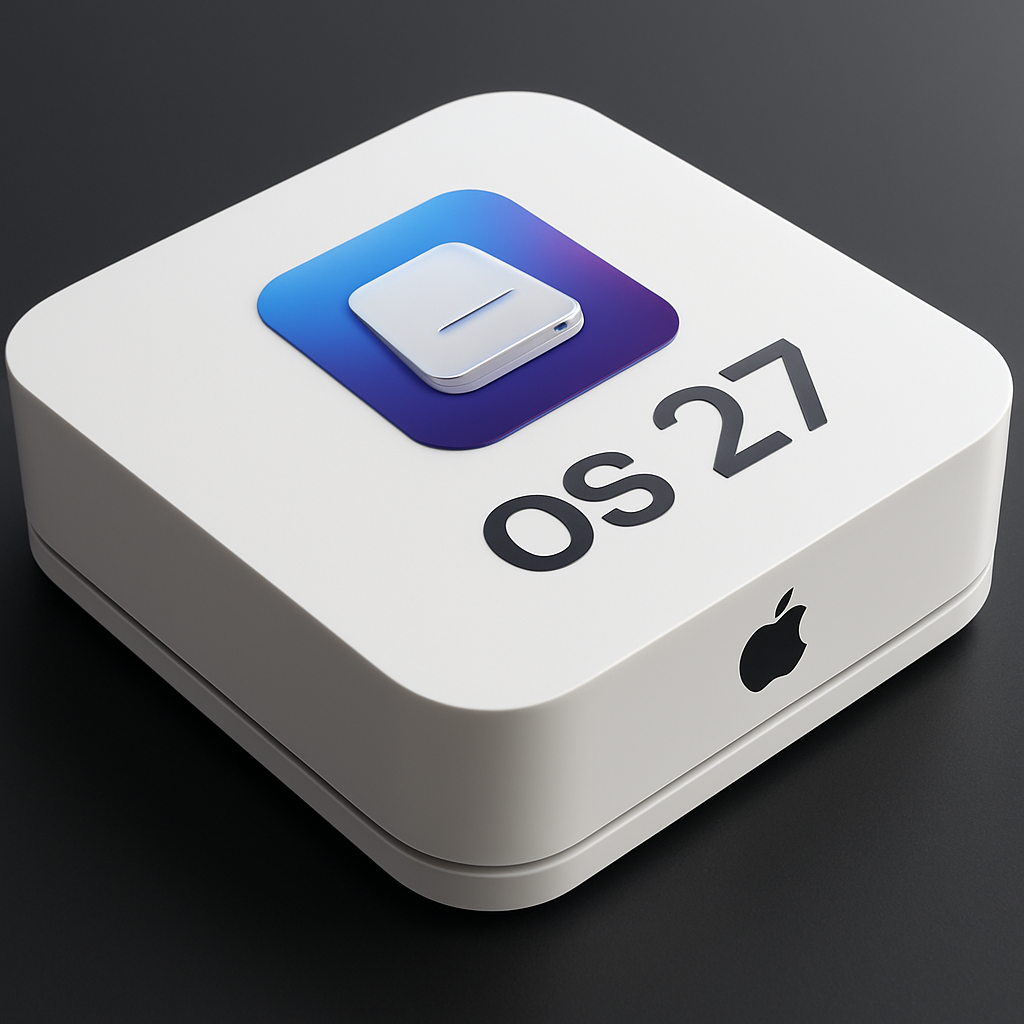
Apple’s macOS 27 Golden Gate marks a significant shift by discontinuing support for the Apple Filing Protocol (AFP), effectively ending Time Machine compatibility with Time Capsule devices. This change impacts users who have relied on Time Capsule for seamless, wireless backups since its introduction in 2008.
Time Capsule combined a Wi-Fi router with network-attached storage, designed to work seamlessly with Time Machine for automatic backups. However, Apple ceased development of the AirPort line, including Time Capsule, in 2018, leaving the hardware without updates for years.
The removal of AFP in macOS 27 means that Time Capsules, which depend on AFP and the outdated SMBv1 protocol, can no longer function as backup destinations. Modern Time Machine backups now require SMBv2 or SMBv3, rendering all Time Capsule models incompatible in their default state.
In response, Microsoft engineer James Chang developed TimeCapsuleSMB, a project that installs a modern Samba build onto Time Capsules. This update enables the devices to support SMB3 connections, allowing them to function with macOS 27. However, this solution has limitations. For instance, only the fifth-generation Time Capsule from 2013 can automatically restart the Samba server after a reboot; earlier models require manual intervention after power loss. Additionally, switching to SMB via TimeCapsuleSMB initiates a new Time Machine backup chain, treating the destination as a fresh start.
While this workaround extends the usability of existing Time Capsules, it underscores the need for a modern, user-friendly backup solution. Time Capsule was renowned for its simplicity, enabling users to maintain up-to-date backups without manual effort. Its discontinuation leaves a gap in the market for a device that offers effortless, wireless backups integrated seamlessly with macOS.
Apple’s decision to end support for Time Capsule in macOS 27 reflects a broader trend of phasing out older technologies in favor of more secure and efficient protocols. However, it also highlights the importance of providing users with accessible backup solutions. As data loss remains a significant risk, the need for a reliable, easy-to-use backup system is more critical than ever.