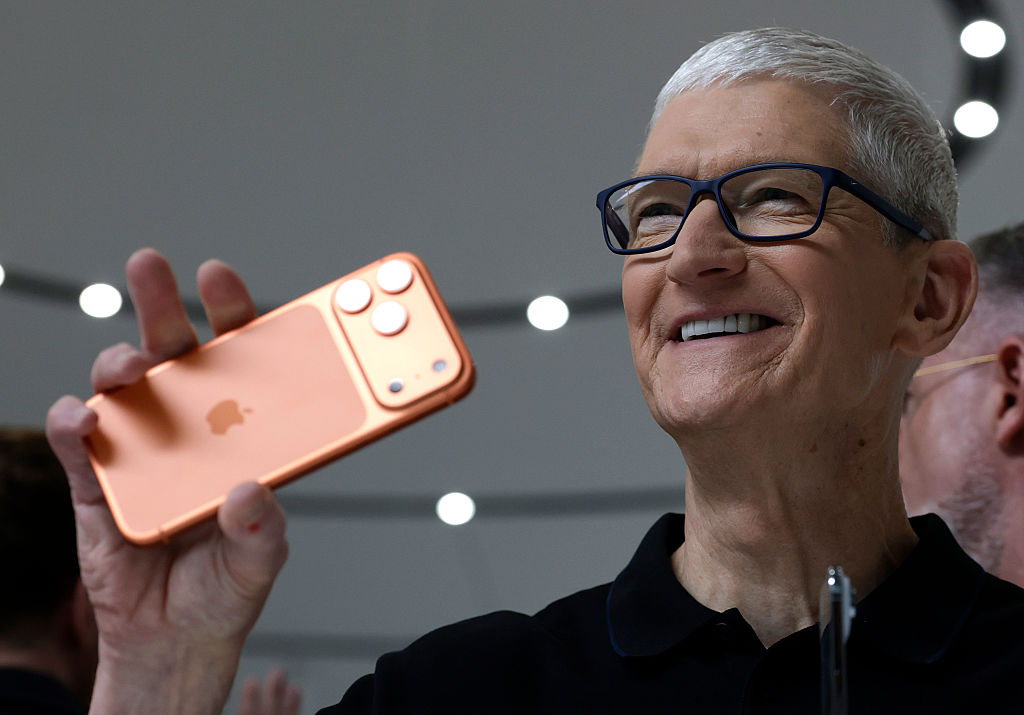
Tim Cook’s Legacy: Transforming Apple into a Global Powerhouse
After 15 years at the helm, Tim Cook is set to step down as Apple’s CEO in September 2026, passing the baton to John Ternus, the company’s Senior Vice President of Hardware Engineering. Cook’s tenure has been marked by remarkable growth, innovation, and strategic shifts that have solidified Apple’s position as a global leader in technology.
Financial Growth and Market Expansion
When Cook assumed the role of CEO in 2011, Apple was valued at just under $350 billion. Under his leadership, the company’s market capitalization has skyrocketed, reaching $4.01 trillion by 2025. This tenfold increase is a testament to Cook’s strategic vision and operational expertise. In the fiscal year ending September 2025, Apple reported a net income of $112 billion, an eightfold increase from 2010. This growth was achieved despite challenges such as the COVID-19 pandemic and geopolitical tensions. Cook’s expansion into the Chinese market and the addition of approximately 200 stores worldwide have been pivotal in this success.
Diversification of Product Portfolio
Cook has significantly expanded Apple’s product lineup beyond the iPhone and Mac computers. The introduction of the Apple Watch in 2015 transformed the wearable technology market, offering features like blood oxygen tracking and ECG monitoring. The iPad lineup has also evolved, with various sizes and price points catering to diverse user needs. Under Cook’s leadership, the iPhone has seen advancements such as Face ID and edge-to-edge displays, enhancing user experience and maintaining the product’s competitive edge.
Expansion into Services
Recognizing the potential of digital services, Cook spearheaded the launch of Apple Pay in 2014, which now boasts an estimated 818 million users globally. Apple Music, introduced in 2015, has grown to over 112 million subscribers, competing robustly in the streaming industry. The 2019 launch of Apple TV+ marked the company’s entry into original content production, earning critical acclaim and numerous awards, including an Academy Award for Best Picture. These ventures have diversified Apple’s revenue streams and reduced its reliance on hardware sales.
Technological Innovations and AI Integration
Under Cook’s guidance, Apple transitioned from Intel processors to its own Apple Silicon chips, completing the shift across its Mac lineup by 2023. This move has enhanced performance and energy efficiency across devices. Cook has also emphasized the importance of artificial intelligence (AI), stating in 2025 that AI is one of the most profound technologies of our lifetime. Apple has been embedding AI across its devices and platforms, significantly growing its investments in this area. The company has adopted a hybrid AI model, running simple tasks locally on devices and more complex tasks in the cloud through partnerships with AI model providers.
Operational Excellence and Supply Chain Management
Cook’s background in operations has been instrumental in optimizing Apple’s supply chain, ensuring efficiency and scalability. His strategic approach to operations has been likened to creating a new product, fundamentally changing economies and setting industry standards. This operational prowess has provided a strong foundation for incoming CEO John Ternus.
Challenges and Future Outlook
As Cook prepares to step down, questions arise about the challenges that lie ahead for Apple. The global economy faces potential volatility, and the rapid rise of AI is transforming business operations. While Cook has provided a robust starting point, Ternus will need to navigate these uncertainties and continue to drive innovation. The durability of Apple’s business model, both in hardware and services, will be tested as the company seeks to create new product categories and maintain its competitive edge.
Conclusion
Tim Cook’s 15-year tenure as Apple’s CEO has been marked by unprecedented growth, diversification, and technological innovation. His strategic vision and operational expertise have transformed Apple into a $4 trillion powerhouse. As John Ternus steps into the role, he inherits a company with a strong foundation but also faces the challenge of steering Apple through an evolving technological landscape.