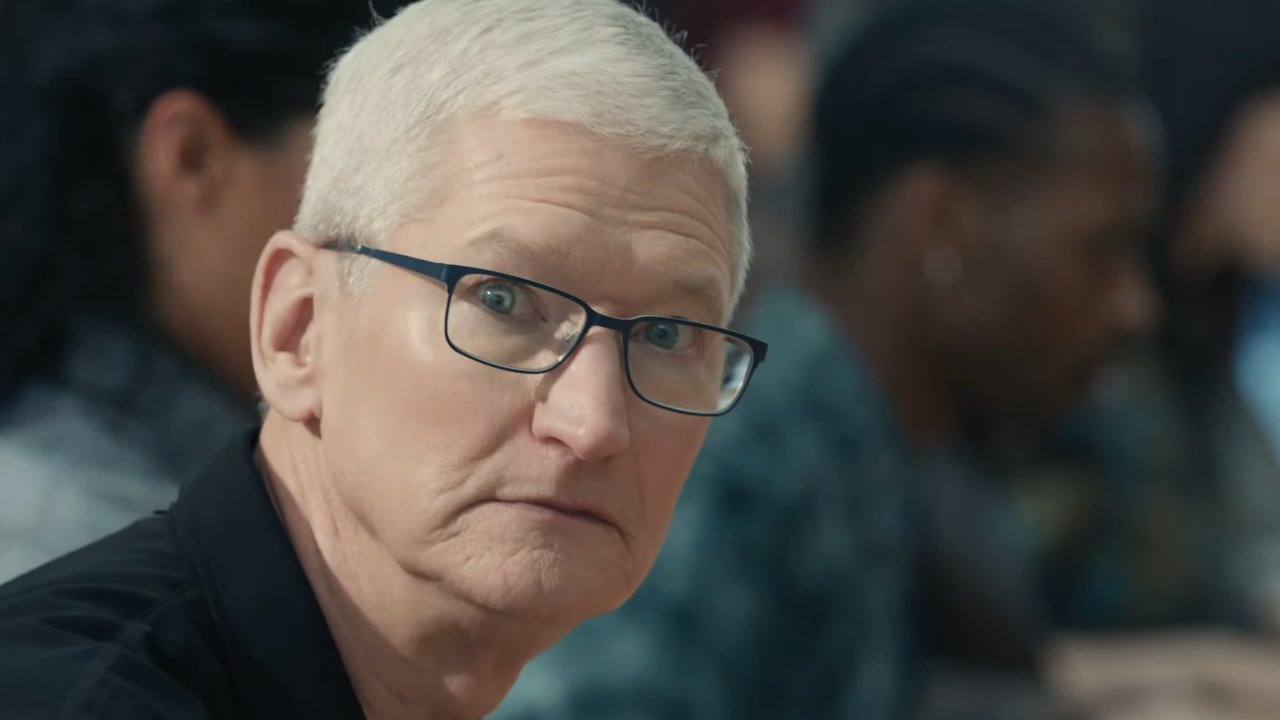
Tim Cook’s Sleepless Nights: The Looming Threat of a Taiwan Invasion and Its Impact on Apple
In July 2023, a confidential briefing by the Central Intelligence Agency (CIA) sent shockwaves through the upper echelons of the tech industry. Among the attendees were Tim Cook of Apple, Jensen Huang of Nvidia, Lisa Su of Advanced Micro Devices, and Qualcomm’s Cristiano Amon. The crux of the briefing was a stark warning: China’s military expenditures suggested a potential move to reclaim Taiwan by 2027. This revelation was particularly unsettling for Tim Cook, who reportedly admitted to sleeping with one eye open following the meeting.
Apple’s Deep Ties to Taiwan
Apple’s reliance on Taiwan is profound. The island is home to Taiwan Semiconductor Manufacturing Company (TSMC), the world’s leading semiconductor foundry. TSMC produces the majority of Apple’s custom-designed chips, which are integral to devices like the iPhone, iPad, and Mac. This dependency means that any disruption in Taiwan could have cascading effects on Apple’s supply chain and, by extension, its global operations.
The Economic Implications of a Potential Invasion
The stakes are monumental. A confidential U.S. government report from 2022 estimated that Taiwan’s semiconductor industry underpins approximately $10 trillion of the global gross domestic product. Should China succeed in taking over Taiwan, projections indicate a potential $2.5 trillion drop in the U.S. gross national product, with China’s economy also facing a $2.8 trillion decline. These figures underscore the intertwined nature of global economies and the catastrophic consequences of geopolitical upheavals.
The Challenge of Reshoring Manufacturing
In response to these looming threats, Apple has initiated efforts to diversify its manufacturing base. The company has been investing in bringing some production back to the United States. However, this transition is fraught with challenges. The U.S. faces a shortage of skilled labor in semiconductor manufacturing, lacks essential rare earth minerals, and grapples with higher production costs. Estimates suggest that producing chips domestically could be about 25% more expensive than sourcing them from Taiwan.
TSMC’s Expansion into the U.S.
Recognizing the geopolitical risks, TSMC has embarked on establishing a presence in the U.S. By January 2026, the company had invested $165 billion in building fabrication plants in Arizona. While this move is strategic, the Arizona facilities currently cannot produce the most advanced chips due to Taiwanese export restrictions on cutting-edge technologies. Additionally, reports indicate that some chips manufactured in Arizona still require finishing processes in Taiwan, highlighting the complexities of achieving complete manufacturing independence.
The Silicon Shield and Its Limitations
The concept of the silicon shield posits that Taiwan’s critical role in the global tech industry would deter China from initiating an invasion, as the economic fallout would be too severe. However, historical precedents, such as Russia’s invasion of Ukraine in 2022 despite anticipated economic sanctions, cast doubt on the effectiveness of this deterrent. The unpredictability of geopolitical actions means that companies cannot solely rely on economic interdependencies as a safeguard.
Apple’s Just-In-Time Manufacturing Vulnerabilities
Apple’s operational model, characterized by its Just-In-Time (JIT) manufacturing approach, further exacerbates its vulnerability. This strategy minimizes inventory costs by receiving goods only as they are needed. While efficient under normal circumstances, it leaves little buffer in the event of supply chain disruptions. Reports suggest that Apple maintains at most a 30-day stock of components, making it particularly susceptible to any sudden interruptions in supply.
The Broader Geopolitical Landscape
The tension between China and Taiwan is rooted in complex historical and political contexts. China’s government views Taiwan as a breakaway province that must eventually be reunified with the mainland, while Taiwan sees itself as a sovereign state. This fundamental disagreement has led to various diplomatic and trade challenges. For instance, there have been instances where China blocked shipments of Apple components labeled Made in Taiwan instead of Taiwan, China, reflecting the sensitivity of the issue.
The Path Forward for Apple and the Tech Industry
As the 2027 timeline approaches, the tech industry faces a critical juncture. Companies like Apple must accelerate efforts to diversify their supply chains, invest in domestic manufacturing capabilities, and develop contingency plans for potential geopolitical disruptions. While the challenges are significant, proactive measures are essential to mitigate risks and ensure the resilience of global tech operations.