Accelerating Tier 1 Alert Processing: Harnessing Threat Intelligence for Enhanced Efficiency
In the dynamic realm of cybersecurity, Tier 1 analysts are the frontline defenders, tasked with the critical responsibility of sifting through an overwhelming volume of alerts to identify genuine threats. This role demands a delicate balance between speed and accuracy, as the ability to swiftly discern and respond to malicious activities can significantly mitigate potential damages.
The Core Challenge of Alert Triage: Speed vs. Accuracy
Tier 1 analysts often grapple with the dual pressures of processing alerts rapidly to prevent backlog accumulation and conducting thorough investigations to avoid misjudgments. This balancing act is complicated by several factors:
– Alert Overload: Modern Security Operations Centers (SOCs) are inundated with thousands to millions of alerts daily from various monitoring systems. This sheer volume makes it impractical for analysts to investigate each alert comprehensively, increasing the risk of overlooking genuine threats.
– Contextual Deficiencies: Alerts often present as isolated data points—IP addresses, file hashes, or domain names—lacking the contextual information necessary for informed decision-making. Analysts are then compelled to manually gather context from multiple sources, a time-consuming process that hampers efficiency.
– False Positive Fatigue: Frequent false alarms can desensitize analysts, leading to quicker dismissals and a higher likelihood of missing actual threats. This fatigue undermines the effectiveness of the triage process.
– Evolving Threat Complexity: Cyber adversaries continually refine their tactics, techniques, and procedures (TTPs), rendering static detection rules obsolete. Analysts must stay abreast of these changes to effectively identify and counteract new threats.
– Analyst Burnout: The relentless pace and high stakes of alert triage can lead to burnout, resulting in increased errors, conservative escalations, and attrition, all of which negatively impact the SOC’s overall performance.
Threat Intelligence: Transforming the Triage Equation
Integrating robust threat intelligence into the triage process can significantly alleviate these challenges by providing timely and relevant context to alerts. This integration offers several advantages:
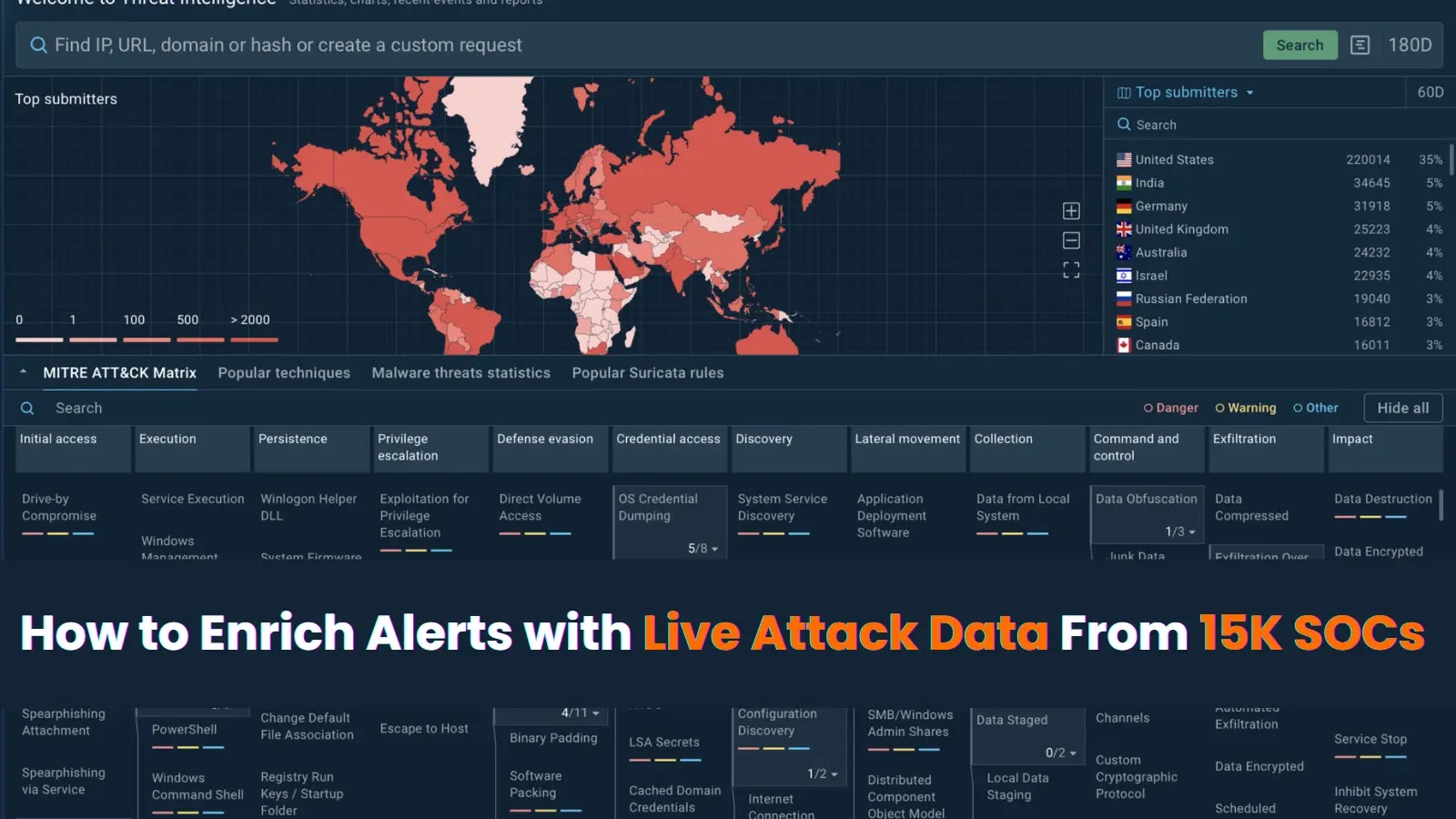
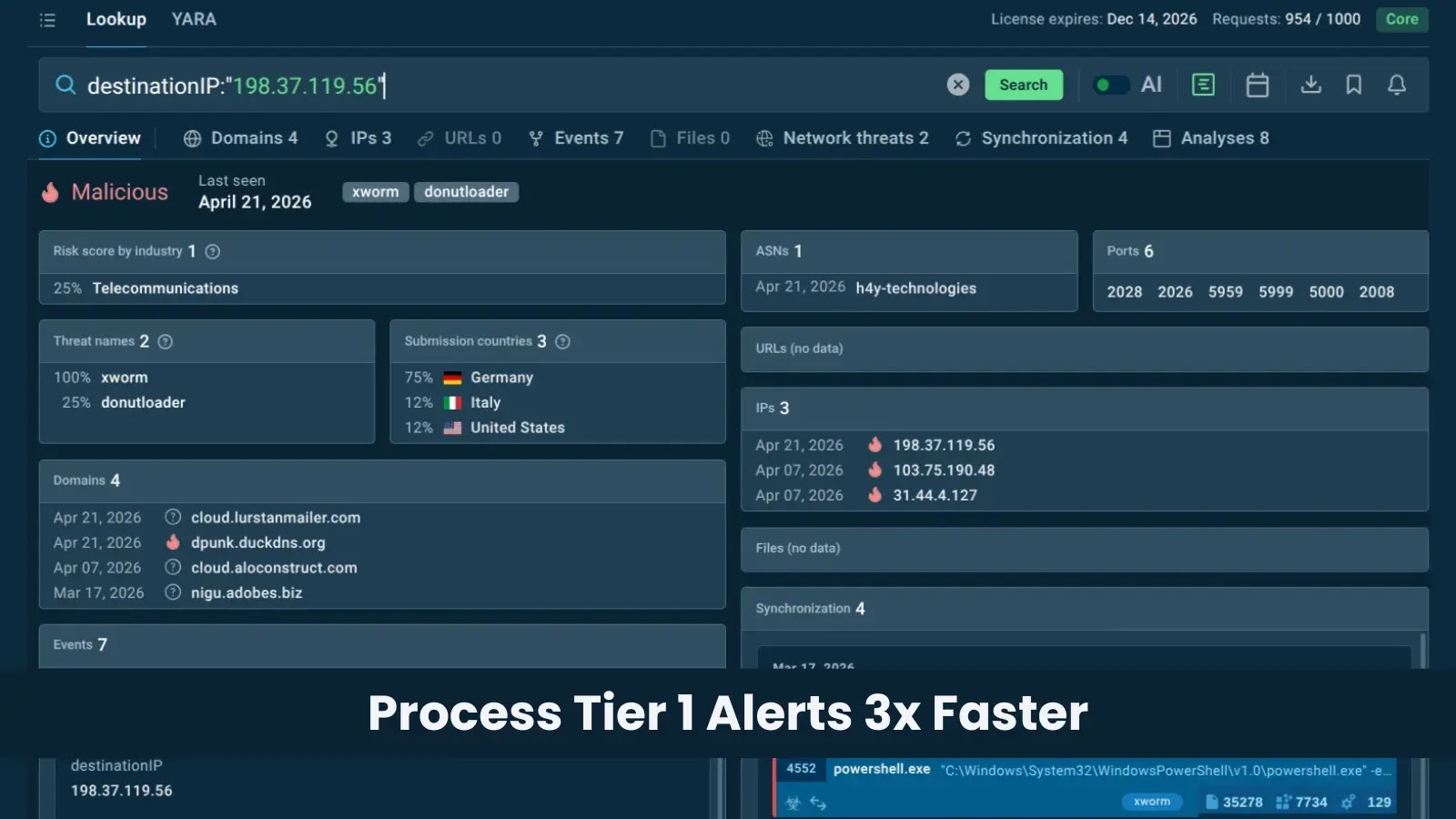
– Immediate Contextualization: Threat intelligence enriches alerts with information about associated malware families, recent campaign appearances, behavioral patterns, and severity assessments. This immediate context enables analysts to make informed decisions swiftly.
– Enhanced Decision-Making: With comprehensive intelligence at their disposal, analysts can confidently validate suspicious activities, leading to faster escalations of genuine threats and prompt dismissals of false positives.
– Consistency Across the SOC: A shared intelligence framework ensures that all analysts, regardless of experience level, operate with a unified understanding of threats, reducing variability in alert interpretation and response.
Implementing Threat Intelligence for Accelerated Triage
To effectively integrate threat intelligence into Tier 1 workflows, organizations should consider the following strategies:
1. Adopt Real-Time Threat Intelligence Feeds: Utilize feeds that provide up-to-date indicators of compromise (IOCs), including malicious IPs, domains, URLs, and file hashes. These feeds should be sourced from active attacks and sandbox investigations to ensure relevance and timeliness.
2. Leverage Interactive Sandbox Analysis: Implement sandbox environments that allow analysts to safely execute and observe the behavior of suspicious files and links. This approach provides concrete evidence of malicious activity, reducing reliance on assumptions and expediting the triage process.
3. Integrate Threat Intelligence into Existing Tools: Ensure that threat intelligence feeds are seamlessly incorporated into security information and event management (SIEM) systems, extended detection and response (XDR) platforms, and other security tools. This integration facilitates automated correlation and enrichment of alerts, streamlining the triage workflow.
4. Provide Continuous Training: Equip analysts with ongoing education on emerging threats, attacker TTPs, and the effective use of threat intelligence tools. A well-informed team is better prepared to adapt to the evolving threat landscape and utilize intelligence resources effectively.
5. Monitor and Evaluate Performance: Regularly assess the impact of threat intelligence integration on triage efficiency and accuracy. Use metrics such as mean time to detect (MTTD) and mean time to respond (MTTR) to identify areas for improvement and ensure that the integration delivers tangible benefits.
Conclusion
By harnessing the power of threat intelligence, Tier 1 analysts can transform the alert triage process, achieving a harmonious balance between speed and accuracy. This strategic integration not only enhances the efficiency of individual analysts but also fortifies the overall security posture of the organization, enabling a more proactive and resilient defense against cyber threats.