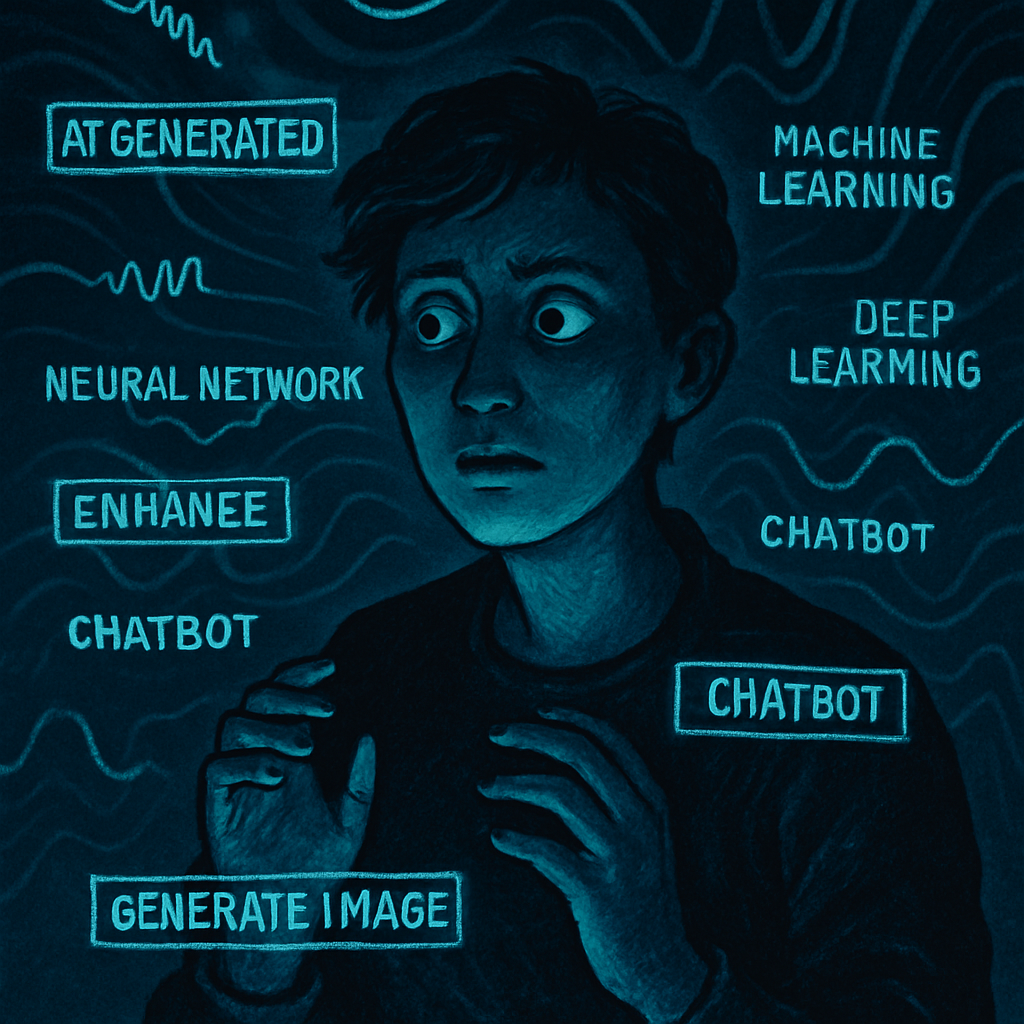
In episode 48 of The Sideload podcast, hosts examine the frenzy around artificial intelligence—coining it not AI psychosis, but AI mania. Rather than suggesting that people using AI tools are losing touch with reality, the conversation explores how tools that lift us up—by validating ideas, promising productivity, or cultivating engagement—can also stir doubts, mistrust, and unease in the tech industry itself. The episode dives into two major threads: “AI mania” and “vibe coding,” and how both reflect core tensions between enthusiasm for innovation and fear of being misled by it.
AI Mania vs AI Psychosis
The hosts describe “AI mania” as the emotional high that comes from believing in AI’s promise. Whether it’s automating workflows, building new agents, or leaning on models to unlock creativity, there’s long been deep excitement around what AI can do. But mania in this sense isn’t about loss of reality. Instead, it’s about overconfidence—adopting shiny new tools rapidly, sketching futures built entirely on AI, and overlooking what’s untested or unstable.
The fear of psychosis—of AI inducing delusions or disconnecting users from real life—is addressed squarely. The podcast pushes back: such claims often rely on dramatic but loosely documented anecdotes, rather than diagnostic evidence. “Psychosis” implies clinical breakdowns, hallucinations or deeply disorganized thinking. What people are really witnessing, according to the episode, are extreme self-reinforcing echo chambers where AI affirms users’ hopes or beliefs rather than critically challenging them.
Vibe Coding: Shortcut or Hidden Hazard?
Another core topic is vibe coding—the practice of crafting software by directing AI models with prompts, rather than writing every line by hand. Vibe coding promises speed and creativity, but it introduces new vulnerabilities. Because the models rely on pattern recycling and training data, the code they generate can be opaque. It’s harder for developers to see why something works—or fails—since much of the logic emerges from AI-generated blocks rather than human-chosen paths.
The hosts probe how this opacity feeds into broader trust issues surrounding AI. If tools are largely “black boxes,” then building on top of them means building on uncertainty. And when AI is given more responsibility—handling architecture, orchestrating components, distinguishing useful from harmful suggestions—that uncertainty can amplify the anxiety already present around people’s dependence on AI tools.
A Culture of Distrust, but Also Opportunity
Despite the worries, the episode does not come down entirely on the negative side. The discussion emphasizes that healthy skepticism is part of a maturing discourse around AI. Advocating for guardrails, calling for transparency, questioning assumptions—those are the signs of a responsible technological culture, not psychosis. The hosts suggest that what we need isn’t fewer tools, but better tools, with clearer feedback, stronger guardrails, and more shared norms about how we build, trust, and evaluate AI-founded systems.
They also point out that AI mania is not a flaw unique to outside observers—it’s happening inside the industry too. Developers riding high on promise may miss grounding details, such as edge-case failures, ethical implications, or long-term maintainability. Recognizing those gaps doesn’t mean falling back into pessimism—it means injecting nuance and balance.
Analytical angle: This episode’s framing—shifting from “AI psychosis” to “AI mania”—matters. It helps avoid sensationalism and puts the focus instead on amplification, expectation inflation, and the rising gap between belief and evidence. As AI becomes more central in work, art, and infrastructure, understanding not only when tools fail, but how they’re trusted (or mistrusted) is crucial. What to watch next: how standards evolve (for evaluation, transparency, or regulation), which tools make trust more visible, and whether “vibe,” “mania,” or “mania that can be named” becomes the defining mood of this AI era.