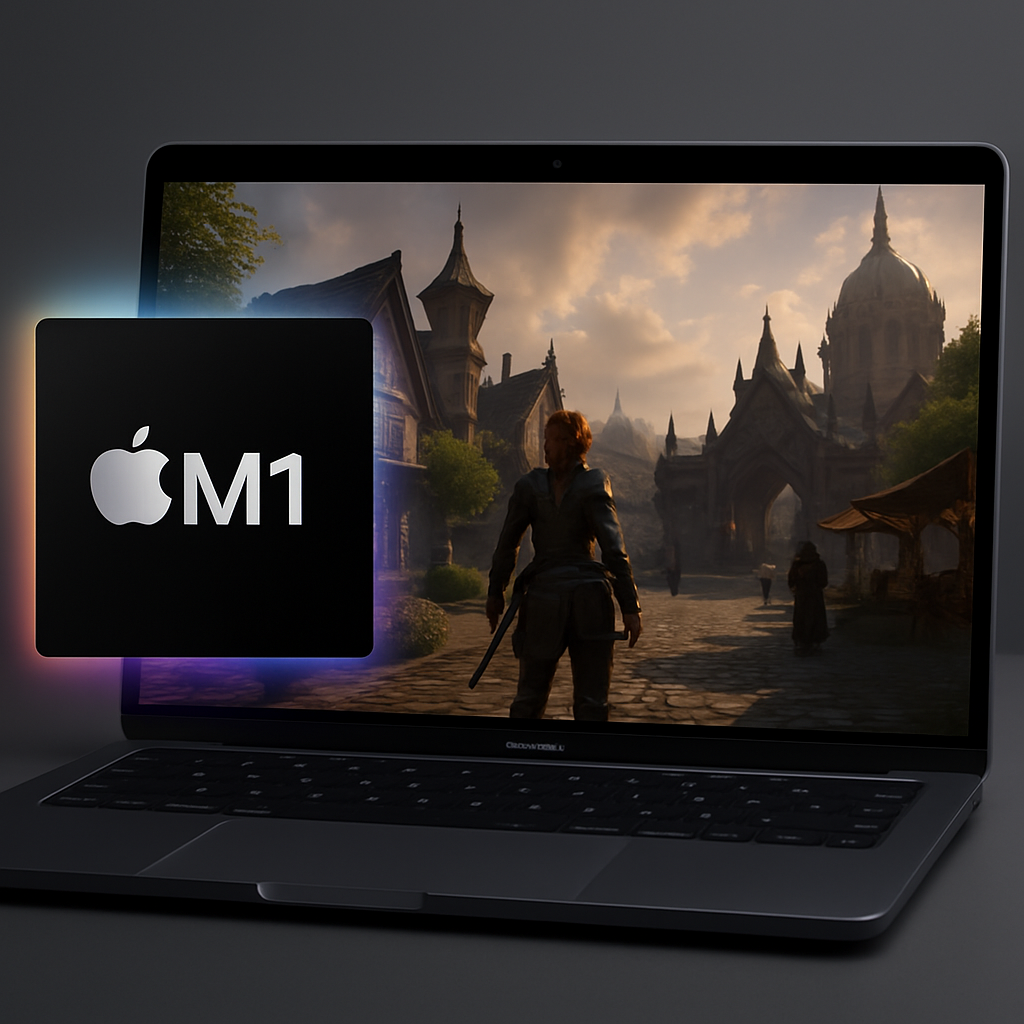
The popular MMORPG The Elder Scrolls Online (ESO) is gearing up for a major upgrade: it will finally run natively on Apple Silicon Macs. ESO’s Game Director, Nick Giacomini, confirmed in a recent Steam post that a Universal Binary version— optimized to take full advantage of Apple’s M-series processors—alongside performance enhancements, is slated for release in Summer 2027.
Legacy Macs on the chopping block
ESO first landed on Mac in April 2014, a time when all systems were using Intel chips. Apple introduced its first Apple Silicon Macs in 2020, yet ESO has continued to rely on Rosetta or legacy support for Intel Macs up until now. The upcoming update will change that—though not all Intel Macs will make the cut. Exactly which older models will be dropped hasn’t been specified yet.
Why this matters
Running natively on Apple Silicon means ESO should perform better in multiple areas: faster loading times, smoother graphics, improved battery efficiency, and more stable framerates on Macs like the MacBook Air, MacBook Pro, Mac Studio, and Mac mini equipped with M-series chips. For players stuck on Intel Macs, those improvements won’t arrive—unless their hardware is still supported post-path.
This shift isn’t unique. As more developers adopt Universal Binaries and native Apple Silicon versions, support for Intel-only Macs continues to dwindle. It’s part of a broader trend across the industry: old architectures are being phased out in favor of newer, more efficient systems tailored for ARM-based silicon.
ESO’s move brings both relief and disappointment. Relief because users who upgraded to M-series Macs will finally get optimized performance. Disappointment because older Intel Mac users will likely lose compatibility. The precise cutoff line is still unknown, so Intel users will want to check for updates from the developer once the Universal Binary drops.
This change also reflects Apple’s push to consolidate its hardware ecosystem: moving more apps to run natively on Apple Silicon makes for a smoother, more efficient user experience. As Apple’s ARM-based chips outpace Intel chips in many tasks—especially gaming graphics, thermal management, and power consumption—software developers are under increasing pressure to adapt.
What to watch for: look for announcements from the ESO team confirming minimum macOS version and hardware requirements. Existing Intel Mac players should plan ahead by checking for compatibility before Summer 2027. For everyone else—especially those already on M-series Macs—this should bring a much better ESO experience. By aligning with native Apple Silicon support, ESO is catching up to where many Mac games already have been—and that raises the bar for what players should expect.