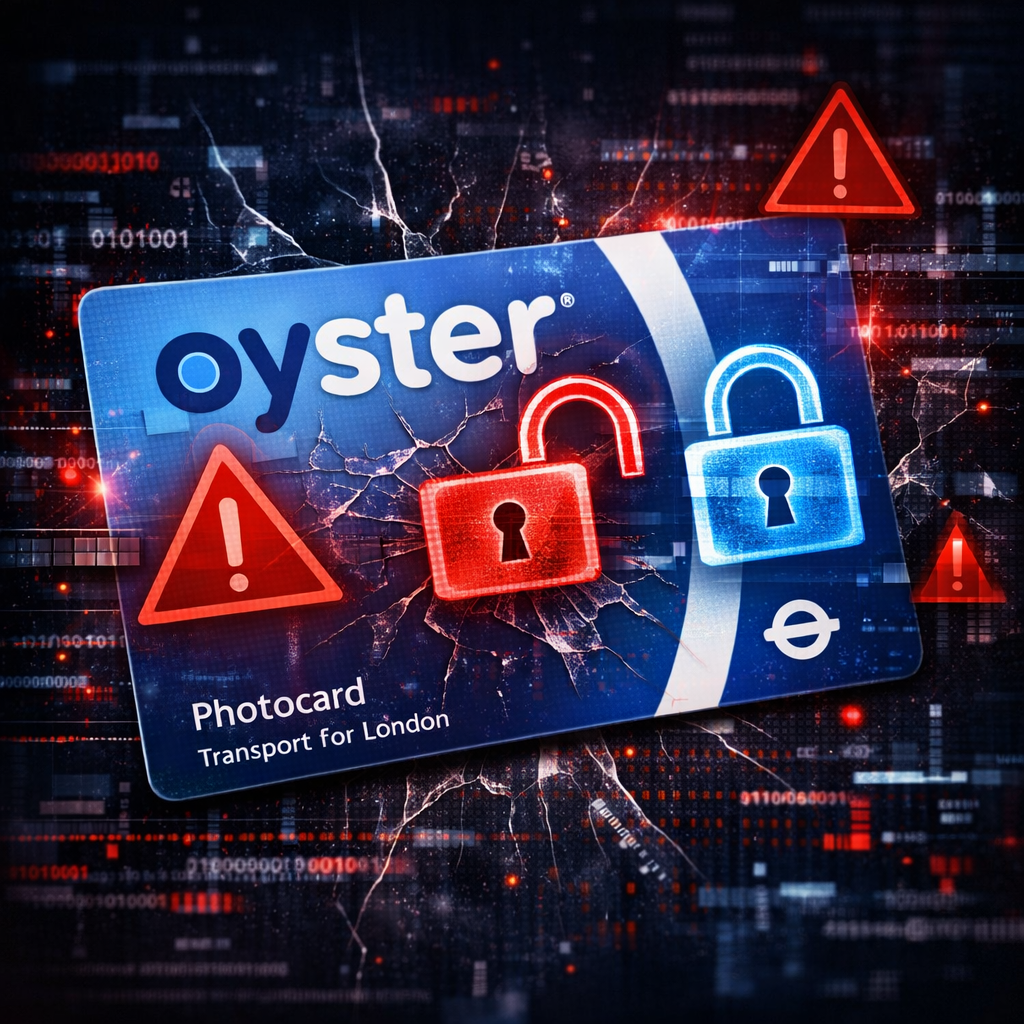
Transport for London (TfL) has confirmed a data breach impacting around 265,000 Oyster Photocard account holders. The breach was identified on November 16, 2026, prompting TfL to immediately take the affected photocard website offline. These measures are intended to limit further exposure. Affected customers were notified by email on November 18. Those who did not receive that email are currently believed to be unaffected.
The exposed personal information reportedly includes email addresses, phone numbers, home addresses, dates of birth, and answers to security questions. Importantly, TfL has stated that sensitive information such as passwords, bank details, payment card data, journey history, photographs, and supporting identification documents were not compromised. Children’s details tied to Zip Oyster cards—specifically names and dates of birth—are also confirmed safe from exposure.
How TfL Responded & What Customers Should Do
In response to the breach, TfL has advised all affected users to review their spam and junk folders to ensure they received the warning email. The authority is urging people who may have reused passwords or security answers elsewhere to change them immediately. This is especially important given that security questions—often based on personal history—can be reused across multiple services.
TfL has also announced additional security steps: once the photocard site is back online, affected customers will be required to reset both their password and security question and answer. If customers receive communications from anyone claiming to hold their data, TfL recommends reporting those incidents through Action Fraud. Monitoring for further impacts is underway, and updates will be provided as more information becomes available.
Scope of the Breach & What Remains Secure
The incident appears to be confined to the Oyster Photocard website; other TfL services and websites have not been impacted. While personal contact and identification details were accessed, more sensitive data types—including payment or travel records—remain intact. The distinction between which data was compromised and what was not is significant in reducing potential long-term risks to users.
TfL did not provide specifics about how the breach occurred, such as whether it involved phishing, ransomware, or any particular vulnerability. Nor did they attribute it to any known hacking group. There is also no confirmation that the incident is connected to earlier attacks—for example, the 2024 TfL network breach which disrupted internal systems and services.
Oyster photocards remain fully valid for travel. For account renewal, journey history requests, or other queries, TfL has made available its helpline. Holders of the 60+ London Oyster photocard who are due for an annual address check will be contacted directly by TfL to complete this requirement once normal operations resume.
Why it matters: Exposure of email addresses, dates of birth, addresses, and especially security questions poses a serious risk of identity fraud. Even if passwords and payment details are untouched, criminals exploiting reused credentials can gain access to other services. Users should treat this as a reminder of the dangers of reusing personal data across platforms and the increasing importance of strong, unique security practices.