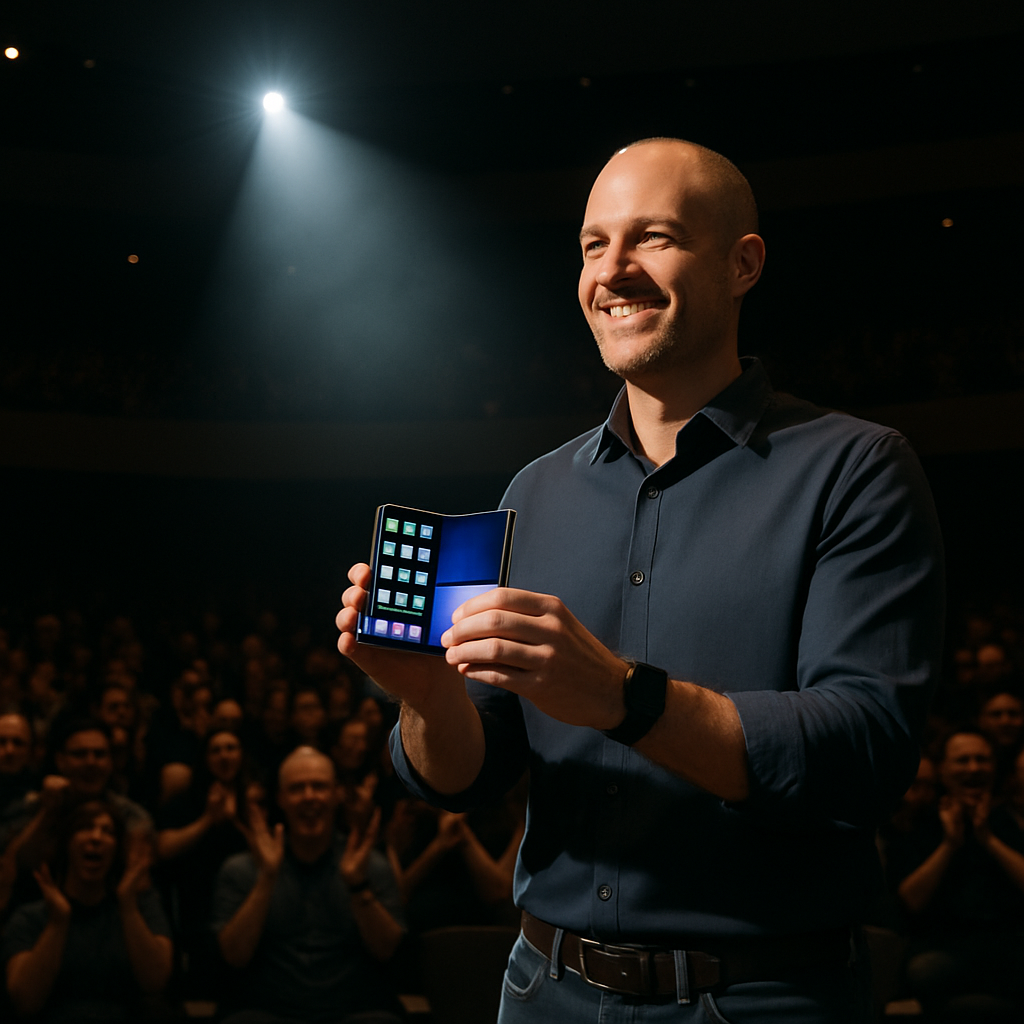
At today’s keynote, John Ternus stepped into his role as CEO and pulled off a move that instantly drew comparisons to the Steve Jobs era—he brought back Apple’s famed “one more thing” line to reveal the long-awaited foldable iPhone, now officially named the iPhone Duo. The crowd at Steve Jobs Theater reacted with immediate applause as the product was unveiled, positioning it as the event’s headline.
The phrase “one more thing” has been deeply tied to Apple’s tradition of keeping major surprises close to the vest until the very end. Steve Jobs originally popularized it when introducing game-changing products. Under Tim Cook, the phrase appeared only on rare occasions—for example, during the launches of Apple Watch and iPhone X. Ternus’ use today signals a fresh chapter under his leadership.
Sweeping Reveal of the iPhone Duo
The iPhone Duo isn’t just another incremental update. It’s Apple’s leap into foldable hardware—bringing features long rumored and years in the making. What was once described as Cook’s decade-long passion project has now materialized under Ternus’ stewardship. The Levant moment underscores that this device will sit above Apple’s typical yearly releases in terms of both ambition and positioning.
Today’s presentation blended legacy and leadership. Ternus didn’t just unveil hardware—he unveiled a brand-new era for Apple. By choosing to frame the Duo reveal with the “one more thing” tradition, he respected Apple’s past while asserting a bold new direction under his rule. It’s a clear signal that Apple plans to make moves that matter.
Importantly, the iPhone Duo has been held to higher expectations than typical new iPhones. It carries with it the weight of rumors, speculation, and years of internal pushing. Today, it made the leap from internal project to public flagship.
Why It Matters
For starters, this launch sets the iPhone Duo at the top of Apple’s hierarchy from the moment it becomes available. It’s a clear attempt to reposition what consumers expect from high-end iPhones and what premium innovation looks like in Apple’s lineup.
This is less about hardware than momentum. Ternus is making a statement that Apple under his watch is willing to stand on heritage and tradition—but also to deliver on the kind of “big idea” products people talk about years in advance.
This isn’t just another CEO-driven moment. It’s an inflection point. With the iPhone Duo, Apple doubles down on foldables—an area long rumored but never officially confirmed until now. Ternus’ decision to revisit “one more thing” suggests that we can expect more surprises, more showpiece moments, and possibly more risk-taking in Apple’s near future.
Going forward, the key will be: How well does the iPhone Duo live up to expectations? From durability and price to usability and ecosystem integration, its success—or failure—could shape not just Apple’s product roadmaps, but consumer trust in what “premium” means from Apple.