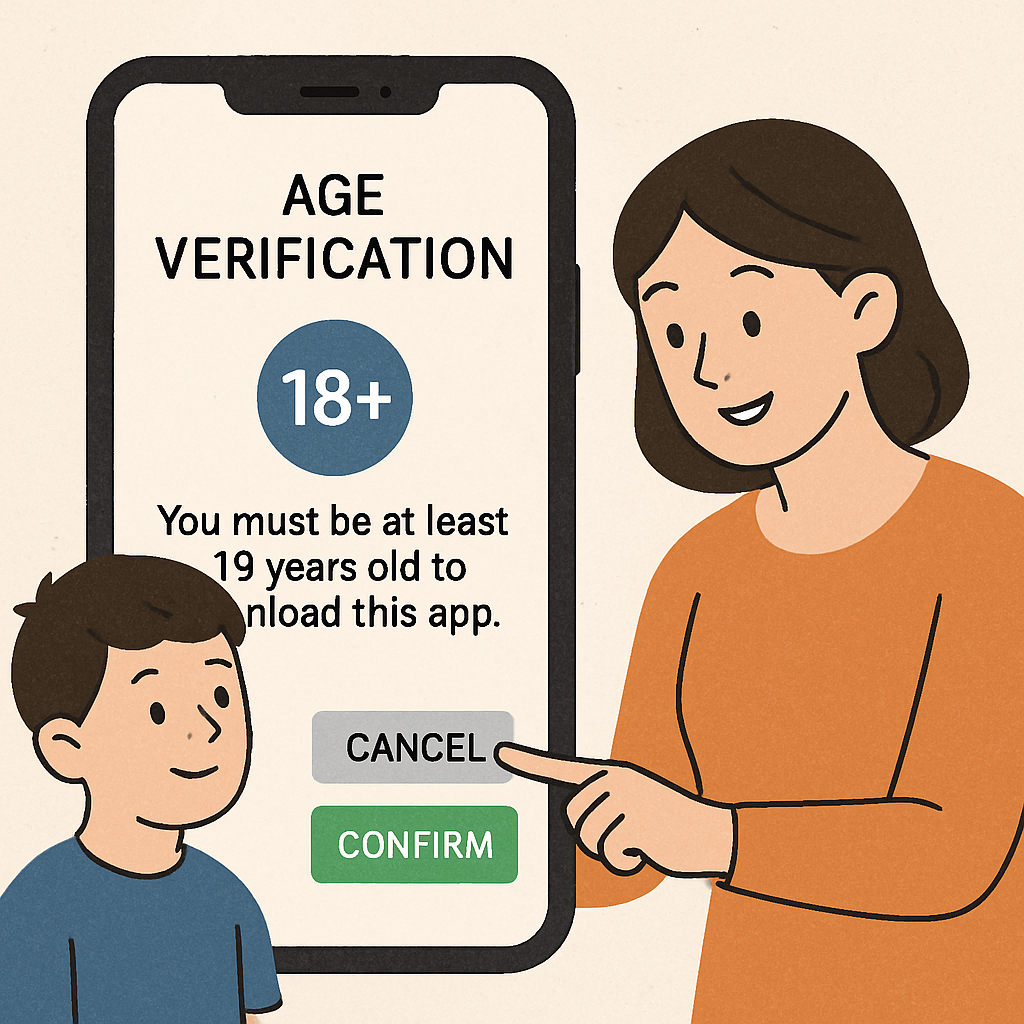
The U.S. Supreme Court has declined to block the enforcement of Texas’s App Store Accountability Act, a law mandating age verification and parental consent for minors downloading apps or making in-app purchases. This decision allows the law to remain in effect, requiring app stores like Apple’s to implement stringent age verification measures.
Under this law, users in Texas creating new Apple accounts must confirm whether they are 18 years or older. Accounts for users under 18 must be part of a Family Sharing group, necessitating parental consent for all App Store downloads, purchases, and in-app transactions. Developers are also required to adopt the Declared Age Range API to specify age categories for users and implement appropriate age restrictions. Parental consent must be obtained for minors to download apps, and re-consent is required if significant changes are made to an app.
The law has faced legal challenges from groups like the Computer & Communications Industry Association and Students Engaged in Advancing Texas, who argue that it infringes on First Amendment rights by restricting access to protected content, including news and educational resources. They also emphasize parents’ rights to direct their children’s digital experiences without government interference. Despite these challenges, the Supreme Court’s decision allows the law to be enforced while legal proceedings continue.
Apple has expressed opposition to the law, with CEO Tim Cook reportedly lobbying Texas Governor Greg Abbott to veto the bill. However, with the Supreme Court’s ruling, Apple and other app store operators must comply with the law’s requirements in Texas.
This development highlights the ongoing debate over digital privacy, parental rights, and online safety for minors. As similar laws emerge in other jurisdictions, tech companies may need to adapt their policies and systems to meet varying legal requirements, potentially leading to a more fragmented approach to age verification and parental consent across different regions.