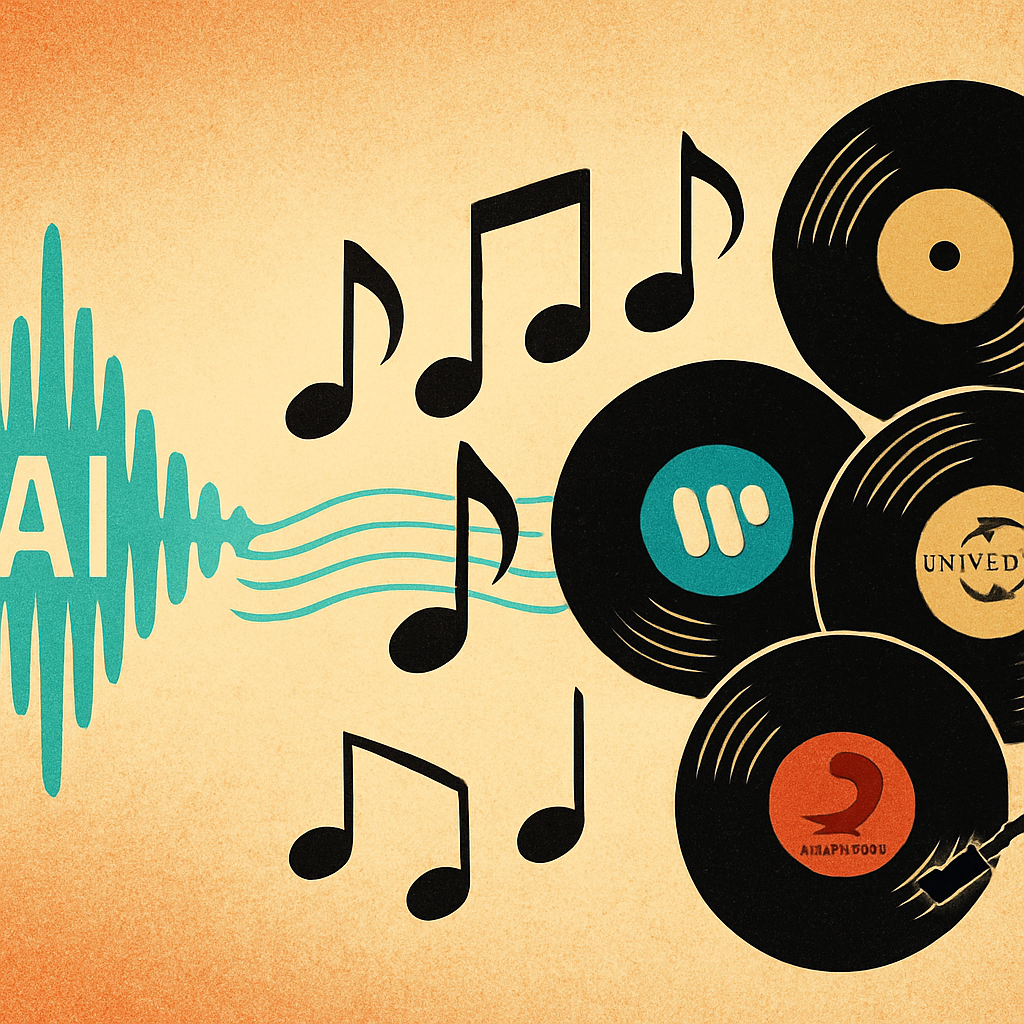
Suno has unveiled Suno v6, a revamped suite of AI music models built exclusively on licensed music from major labels and distributors, including Warner Music Group, BMG, and Believe. The move marks a significant shift for the company, replacing earlier models trained on unlicensed or user-generated data amid rising lawsuits over copyright infringement.
New Models, New Data
The company says the original datasets used for its earlier music-generation models are no longer used to train Suno v6. This fresh iteration comes in three variants: a base model for paying customers aimed at delivering controlled, reliable outputs; a “wild” version for paying users that leans into experimental and unexpected creative directions; and Suno v6 mini, a faster version that’s available to all users. Existing older versions of Suno’s generative models will be phased out.
Suno v6 introduces more flexible creative tools. Users can now modify parts of a song via prompts or lyric cues, use text/images/video as references, and isolate instruments from samples to build new beats. A future feature will allow remixing—if artists agree to join a new program with record labels that gives Suno permission to use their music in these remixes.
Copyright Pressures Driving Change
Prior to this launch, Suno had clashed with several record labels over claims that its models were trained using copyrighted material without permission. It reached a settlement with Warner Music Group last year and struck a licensing deal with BMG just last month. But disputes with other major labels like Sony and Universal persist, along with individual artists alleging misuse of their work and concerns over security when generating music.
As part of its broader compliance push, Suno recently made moves such as adding watermarks to AI-generated tracks and implementing download limits based on account tier. These measures aim to address risks like mass uploads or fraudulent distribution through streaming platforms.
To date, Suno has raised over $819 million in funding. The investment reflects investor confidence, even as the AI music startup navigates evolving legal and regulatory challenges.
What This Means
The shift to fully licensed training data could set a new standard for AI music generation, one that aligns with artists’ rights and copyright law. Suno’s new tools—such as remixing options, reference-based creation, and sharper control over generated content—indicate a trend toward more ethical, artist-aware AI models. Keep an eye on how these legal agreements play out, how platform policies evolve, and whether other AI music generators follow suit.