When a new vulnerability (CVE) is published, the clock starts ticking: knowing whether your systems are truly exposed — and taking action — can make all the difference. Security teams are often caught scrambling, sifting through SBOMs, endpoint data, cloud inventories, and application versions just to piece together whether you’re affected. That delay is no longer acceptable.
What the Webinar Covers
The upcoming live webinar titled “Outpacing AI-Era Attacks Starts With Faster Time to Answer” will walk through how the team at Tines cuts through the chaos. Co-founder and CCO Thomas Kinsella, alongside Senior Security Operations Engineer Andrew Katz, will lead the session.
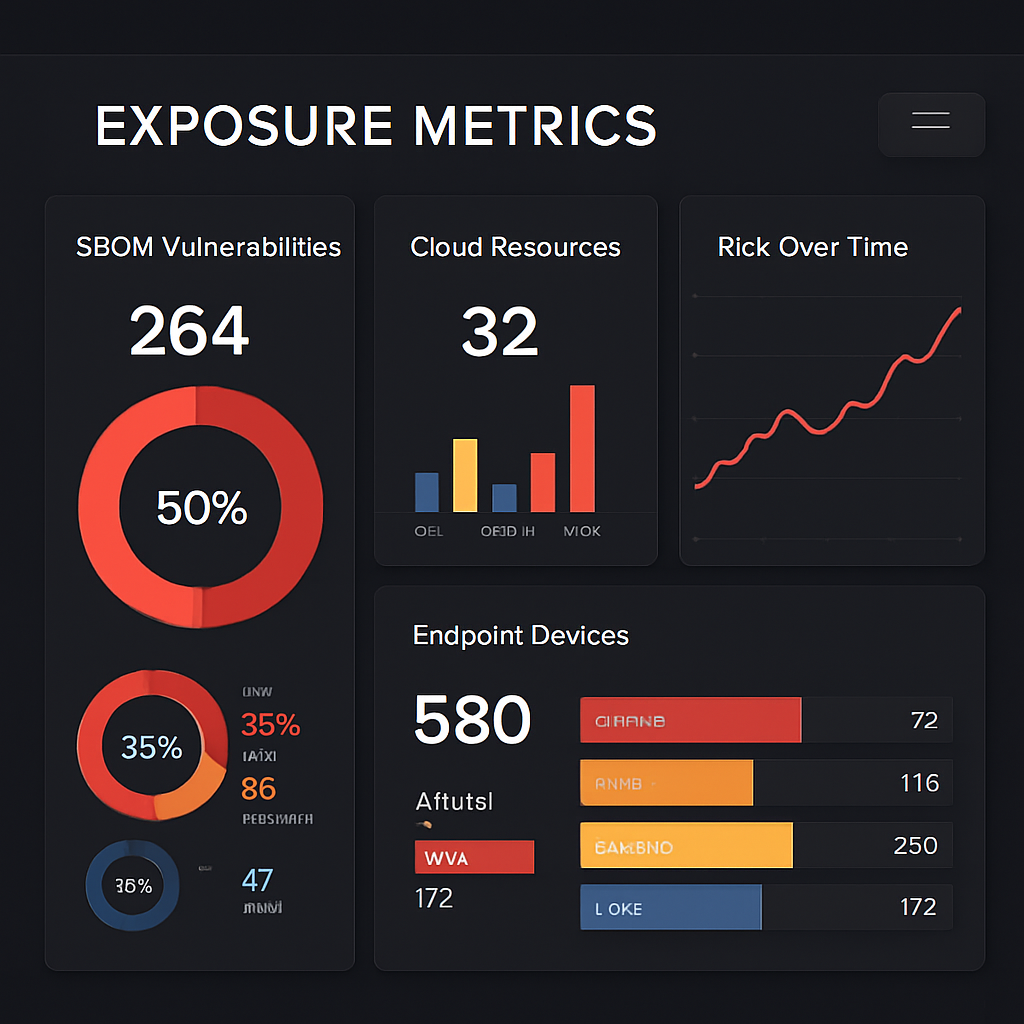
Attendees will see how Tines pulls in multiple data sources to form a composite exposure picture:
- Linking SBOM data to vulnerable packages;
- Mapping endpoint data to installed apps and their versions;
- Connecting cloud inventory to the resources impacted;
- Integrating vulnerability feeds with the systems they affect to see what really matters.
The goal is to go from “new CVE released” to “this matters to us” (or doesn’t) in minutes, not hours or days. Instead of manually rebuilding situational awareness each time, teams can establish reproducible workflows that retain context and speed up exposure assessment.
Where AI Helps—and Where It Shouldn’t
The webinar also debates the role of AI in managing vulnerabilities. Smart tooling can assist with parsing complex inputs and helping build workflows—once those workflows are properly reviewed, deterministic automation can take over repetitive tasks. That frees up analysts to focus on what really requires judgment, while ensuring consistency in everyday exposure detection and response.
Security operations, vulnerability management, cloud security, and application security teams all stand to gain: fewer delays gathering evidence, quicker determinations of risk, and faster action.
In an era when vulnerabilities emerge at speed—especially driven by AI-accelerated research—the surprise shouldn’t be a new CVE. The surprise should be not knowing where it hits inside your environment. Your existing tools may already hold those answers.
Register now to catch how Tines uses an exposure dashboard in action and ties together security data into faster decision-making workflows.
Why this matters: In today’s landscape, reactive security lag costs more than just metaphorical fire drills. As threat actors begin using AI to scan, target, and exploit vulnerabilities faster than ever, organizations that can’t rapidly assess exposure become the weakest link. If your security stack is still built around isolated tools and manual mapping, this webinar promises a blueprint for change—and may even force a rethink in how exposure assessment integrates into the core security stack.