SpaceX has made history with its initial public offering (IPO), raising $75 billion by pricing 555.56 million shares at $135 each. This monumental event not only marks the largest IPO in U.S. history but also elevates the company’s valuation to approximately $1.77 trillion. As a result, Elon Musk’s stake in SpaceX is now valued at over $866 billion, solidifying his position as the world’s first trillionaire.
The company’s shares began trading on the Nasdaq under the ticker symbol “SPCX.” The IPO’s success has been attributed to SpaceX’s pioneering achievements in reusable rocket technology and the expansion of its Starlink satellite network, which have captivated both investors and the public.
Financially, SpaceX reported revenues exceeding $18 billion in 2025, despite a loss of $4.9 billion for the year. Cumulatively, the company has incurred losses surpassing $37 billion since its inception. Nevertheless, investor confidence remains strong, driven by the company’s ambitious projects and technological advancements.
Elon Musk retains significant control over SpaceX, holding approximately 85.1% of the company’s voting power. This level of control is notably higher than that of many other tech founders, ensuring Musk’s continued influence over the company’s strategic direction.
The IPO has also created substantial wealth for SpaceX employees, with around 4,400 staff members potentially becoming millionaires. This outcome underscores the company’s commitment to rewarding its workforce and fostering a culture of innovation.
In the lead-up to the IPO, SpaceX secured several high-profile deals to bolster its financial position. Notably, the company entered into agreements with Anthropic and Google, valued at $1.25 billion and $920 million per month, respectively, for computing services. These contracts highlight the growing demand for SpaceX’s technological capabilities beyond aerospace.
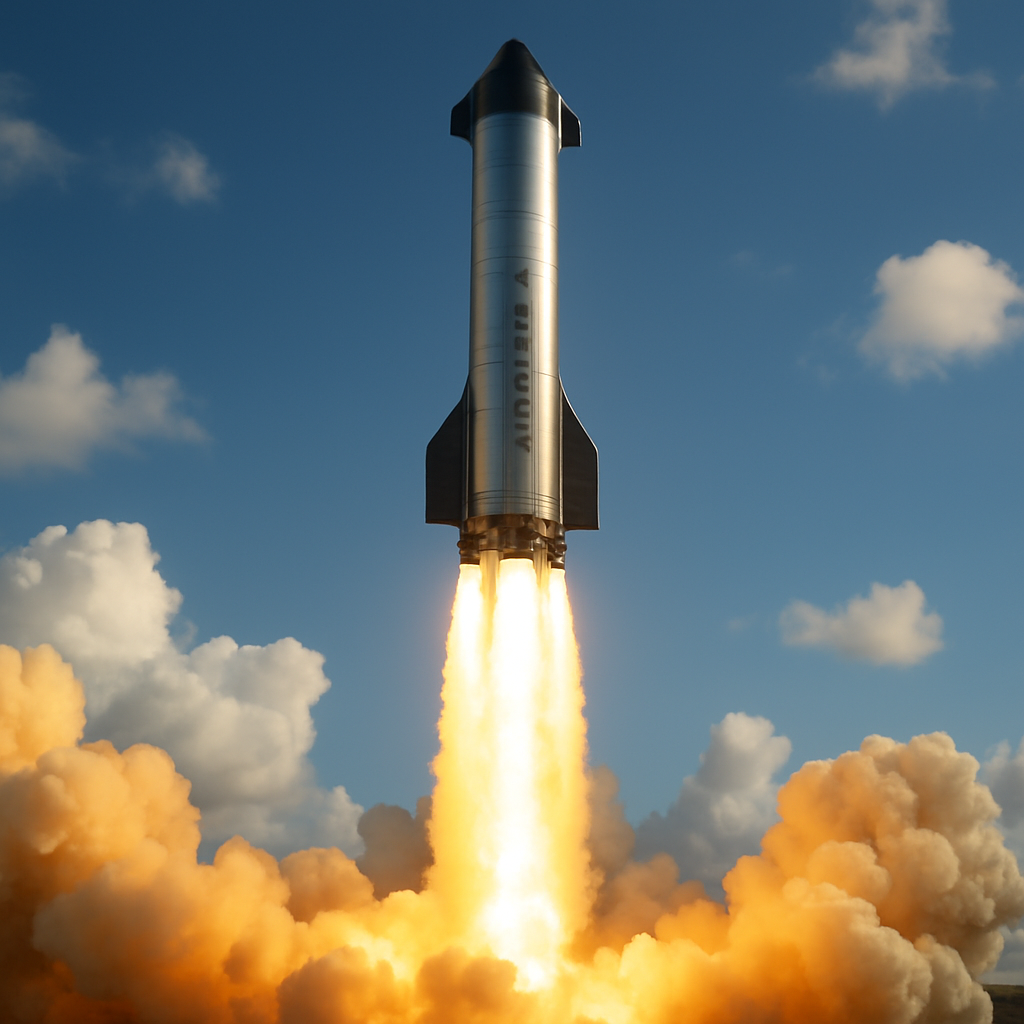
As SpaceX embarks on this new chapter as a publicly traded company, investors and industry observers will be keenly watching how it leverages its substantial capital infusion. The company’s ambitious plans, including the development of its Starship rocket and expansion of the Starlink network, will be critical in determining its long-term success and ability to deliver returns to shareholders.