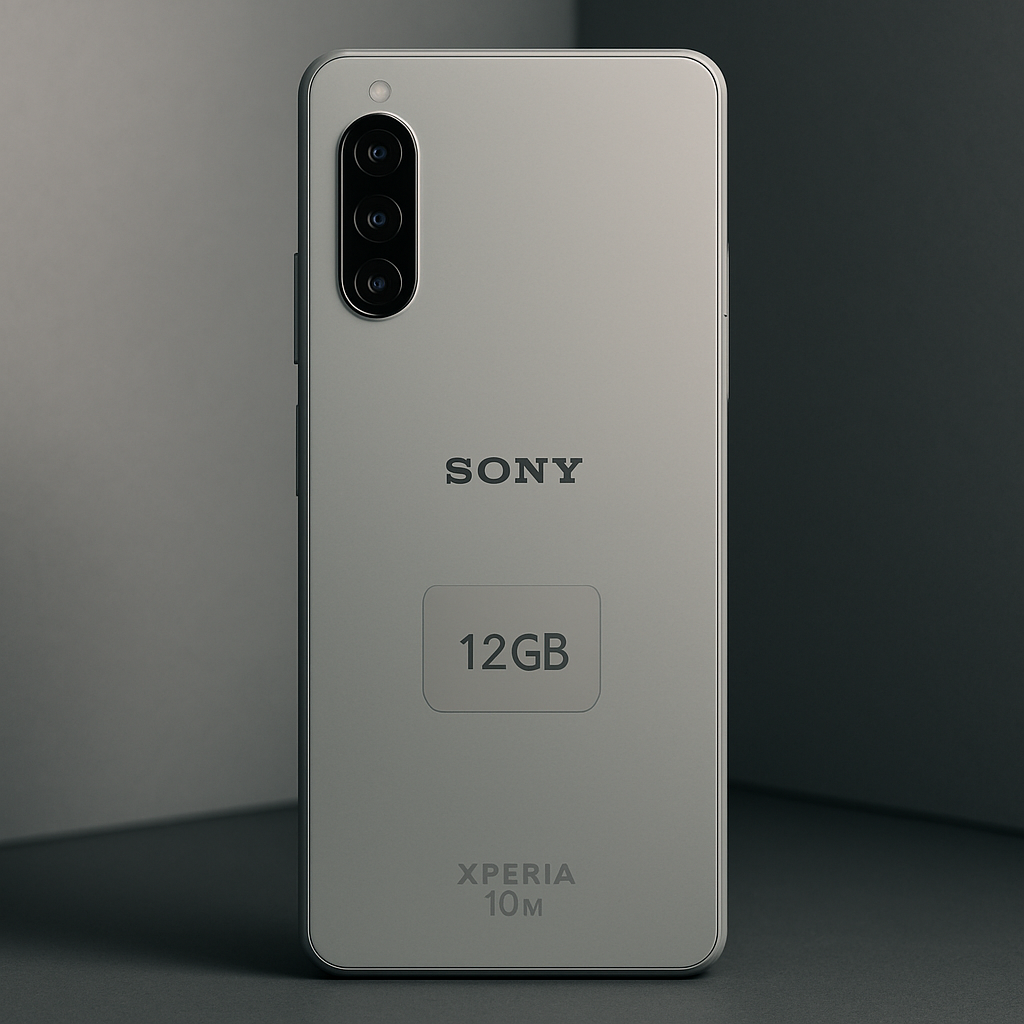
Sony has officially cancelled the Android 17 upgrade for its Xperia 10 VI smartphone, even though the company previously promised the device would receive three major Android OS updates. This move means the Xperia 10 VI will stop short of the most recent Android generation, despite earlier commitments.
What led to the cancellation?
The Xperia 10 VI was unveiled in 2024 as an upper-mid-range handset featuring a Snapdragon 6 Gen 1 processor, 8GB of RAM, and 128GB of built-in storage. It shipped with Android 14 pre-installed, and Android 17 was meant to be the final official OS version under its update roadmap.
Sony now says a “detailed technical assessment” revealed that the phone’s storage configuration doesn’t meet the criteria for an Android 17 experience it deems acceptable. The company describes this as a “limitation related to the device’s storage,” though it didn’t specify the precise technical issue at play. As a result, Xperia 10 VI owners will no longer receive Android 17. Sony has also apologized, acknowledging this falls short of its earlier promise.
Security commitment remains intact
Despite canceling the OS upgrade, Sony tells users that its promise to deliver security updates remains unchanged. For the Xperia 10 VI, these updates will continue for four years from the device’s launch. That matches Sony’s initial commitment when the phone was first introduced.
Importantly, this decision appears isolated. Sony emphasizes that the cancellation is tied solely to the Xperia 10 VI and its specific hardware configuration. Other Xperia phones slated for Android 17 upgrades won’t be impacted by this change.
Broader implications for users and update trust
It’s rare for a manufacturer to reverse a guaranteed OS upgrade after launch. While delays or shorter support windows happen, outright cancellation of a promised update over hardware limitations is unusual. For Xperia 10 VI owners, this may mean missing out on new Android features, performance boosts, and compatibility improvements that come with Android 17.
The decision also puts a spotlight on how companies define “adequate” upgrade experiences, particularly when storage architecture or hardware specs are the sticking point. It raises questions about whether upfront promises of multiple OS upgrades should be more tightly tied to clearly defined hardware thresholds.
What this means going forward: Xperia 10 VI users will still receive security updates for four years from the phone’s launch, but no Android 17 upgrade. Other Xperia models are unaffected.
Looking ahead: As Android marketplace competition intensifies, update promises are becoming a key differentiator. Manufacturers may need to establish clearer minimum hardware criteria to avoid raising expectations they can’t meet. Users will likely pay closer attention to those fine details before buying.