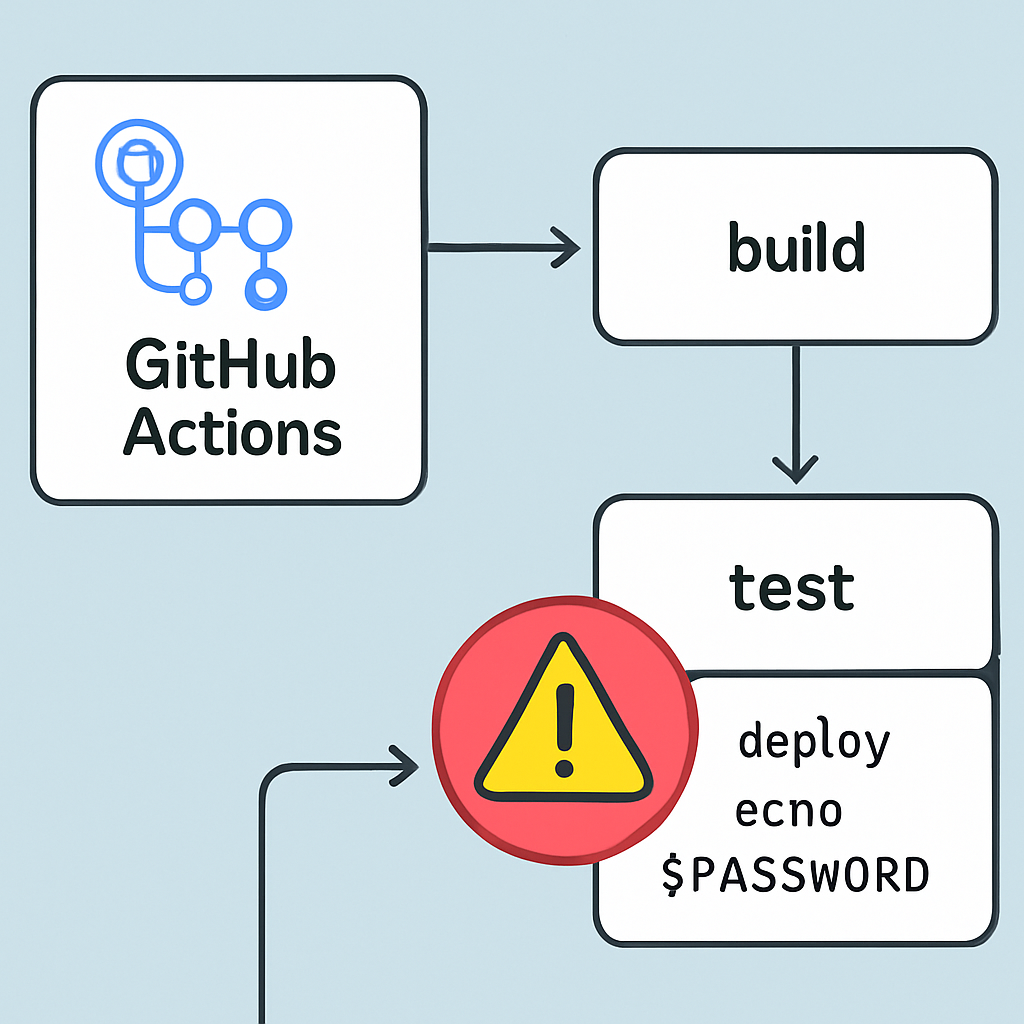
Security researchers have identified a vulnerability in Snowflake’s GitHub Actions workflows that could allow attackers to execute arbitrary commands and access sensitive Jira credentials. This flaw was discovered in the snowflakedb/snowflake-connector-net repository, specifically within the .github/workflows/jira_issue.yml file.
The problematic workflow was triggered when a public issue was opened. It exposed environment variables such as JIRA_BASE_URL, JIRA_USER_EMAIL, and JIRA_API_TOKEN within the same workflow step. By crafting a malicious GitHub issue, an attacker could inject commands into the workflow, potentially compromising internal Jira credentials.
Notably, the workflow referenced github.event.pull_request.user.login in an issue context, where the pull_request property does not exist. According to GitHub’s documentation, attempting to dereference a nonexistent property results in an empty string. This oversight allowed the workflow to proceed without proper validation, making it susceptible to injection attacks.
During authorized security testing, researchers exploited this vulnerability by submitting a crafted issue. The initial payload caused a shell syntax error, prompting the researchers to adjust their approach. Subsequently, they received an out-of-band callback from the GitHub Actions runner and successfully obtained the Jira API token used by the workflow.
The compromised token belonged to the user [email protected] and provided read access to various Jira projects, including those related to engineering, security compliance, and bug bounty tracking on snowflakecomputing.atlassian.net. The specific permissions and audit records associated with this token are not publicly available.
The vulnerability was reported to Snowflake on June 23, 2026, through HackerOne under report #3819931. Snowflake promptly addressed the issue by merging a fix on the same day. The solution involved replacing direct GitHub expression expansions with environment variables passed to jq as arguments, thereby mitigating the risk of command injection.
The vulnerable workflow had been introduced to the default branch on June 18, 2026, through a merge commit. Snowflake stated that their investigation found no evidence of unauthorized access resulting from this vulnerability. The Jira token was rotated on June 24, and a review confirmed no external misuse during the five-day exposure period.
This incident underscores the importance of secure coding practices in CI/CD pipelines. Developers should avoid directly incorporating untrusted user inputs into workflow scripts. Instead, using intermediate environment variables and validating all inputs can help prevent similar vulnerabilities. Regular audits and prompt rotation of credentials are also crucial in maintaining the security of automated workflows.