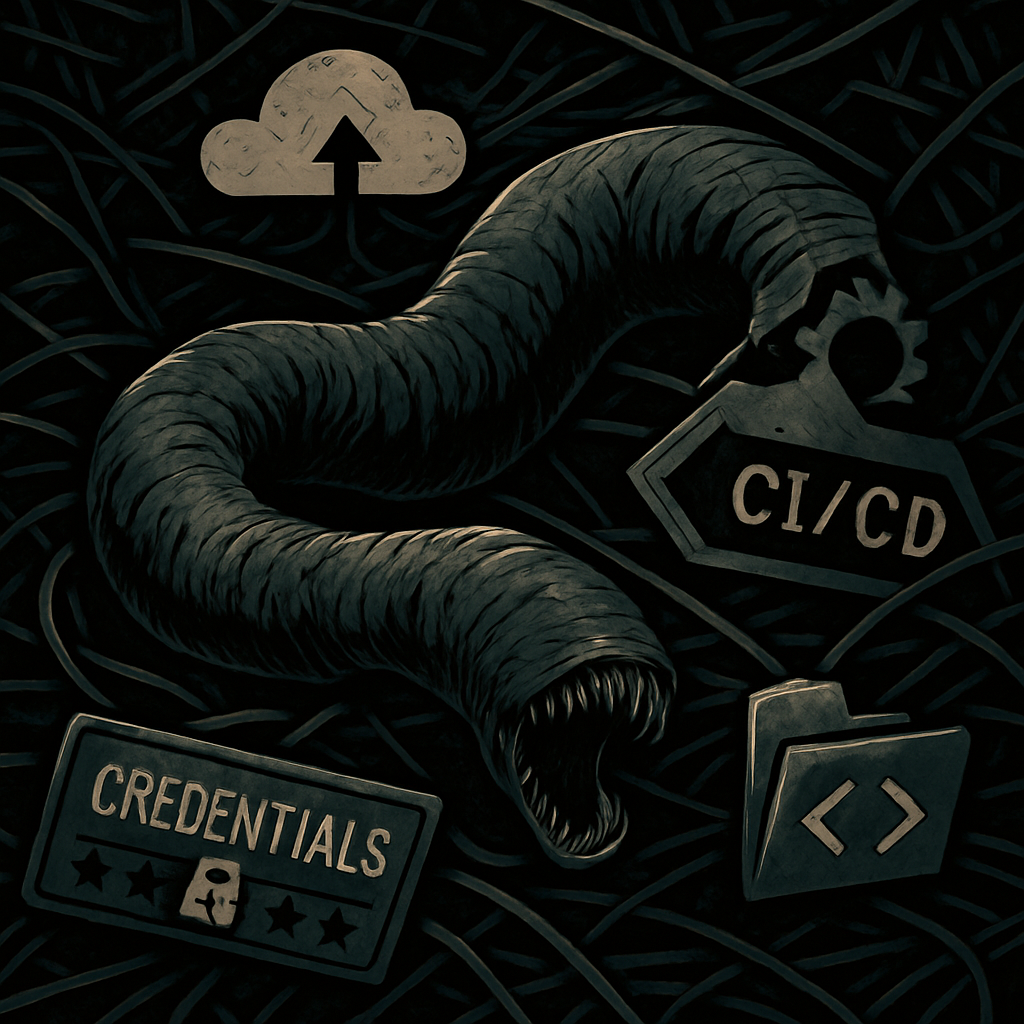
Security researchers have uncovered a major escalation in the threat posed by the Shai-Hulud infostealer worm. A recent variant has expanded its search footprint dramatically—now sweeping up credentials from 469 different locations across development environments, cloud services, CI/CD tooling, and AI configuration setups. Earlier editions of Shai-Hulud targeted only around 189 paths. This jump marks a strategic shift in how attackers operate.
Why Credentials Have Become the New Battleground
Shai-Hulud isn’t just a malware threat—it’s a supply chain attack in action. It operates by locating reusable credentials—tokens and secrets that grant access across systems. If one credential falls, attackers can bridge into other areas: accessing cloud infrastructure to source code repositories, or even publishing trusted packages that downstream systems will automatically consume. What’s alarming is that the worm is built to gather up credentials from wherever they lie—sometimes in obscure conf files, AI tool configs, or CI/CD caches—not just in source repos.
The risk is compounded by how credentials tie various security domains together. A key discovered in a developer’s locale might govern production systems. A token stored in CI/CD pipelines could allow unauthorized package publication. Because credential paths are often shared or overlapping, exposure in one environment may reverberate through many others. This convergence pushes credential hygiene from a developer operations concern into a central security priority.
What Organizations Should Do Now
Stop treating all credential exposures equally. These leaks should be triaged based on risk—starting with any publishing credentials and those that grant production access. Finding and removing package-publishing tokens stored in cleartext is especially urgent. The shift should be toward short-lived, identity-backed credentials via mechanisms like OpenID Connect or federated services such as AWS STS. Static credentials should be considered high-risk infrastructure and handled with extreme care.
Visibility is crucial. Organizations need to know which credentials are out there, where they’re stored, who owns them, what privileges they carry, and whether they remain valid. This isn’t just secrets scanning—it’s credential risk management. Remediation must follow a logical progression: remove exposed publishing rights, then lock down production access, then sort through what’s left by context (env, identity, reach, ownership).
Going beyond reactive cleanup, teams must build a repeatable security program around credentials. Collect a full inventory, detect reusable authority, measure how many secrets lie outside vaults, and make sure remediation is owned and auditable. Prevention plays a key role: block the creation of hardcoded credentials, move workflows toward ephemeral credentials, and enforce policies that reduce the accumulation of risks.
Shai-Hulud’s growth in credential targets—from 189 to 469—is more than just an upgrade in scope. It illustrates a larger trend: attackers aren’t breaking systems so much as leveraging the trust built into development pipelines, package ecosystems, and cloud infrastructures. As credential paths proliferate, organizations that treat this layer as secondary risk everything else. The battle over reusable authority will define the next era of software supply chain defense. The winning edge will go to those who root out exposed credentials before the next worm variant even begins its search.