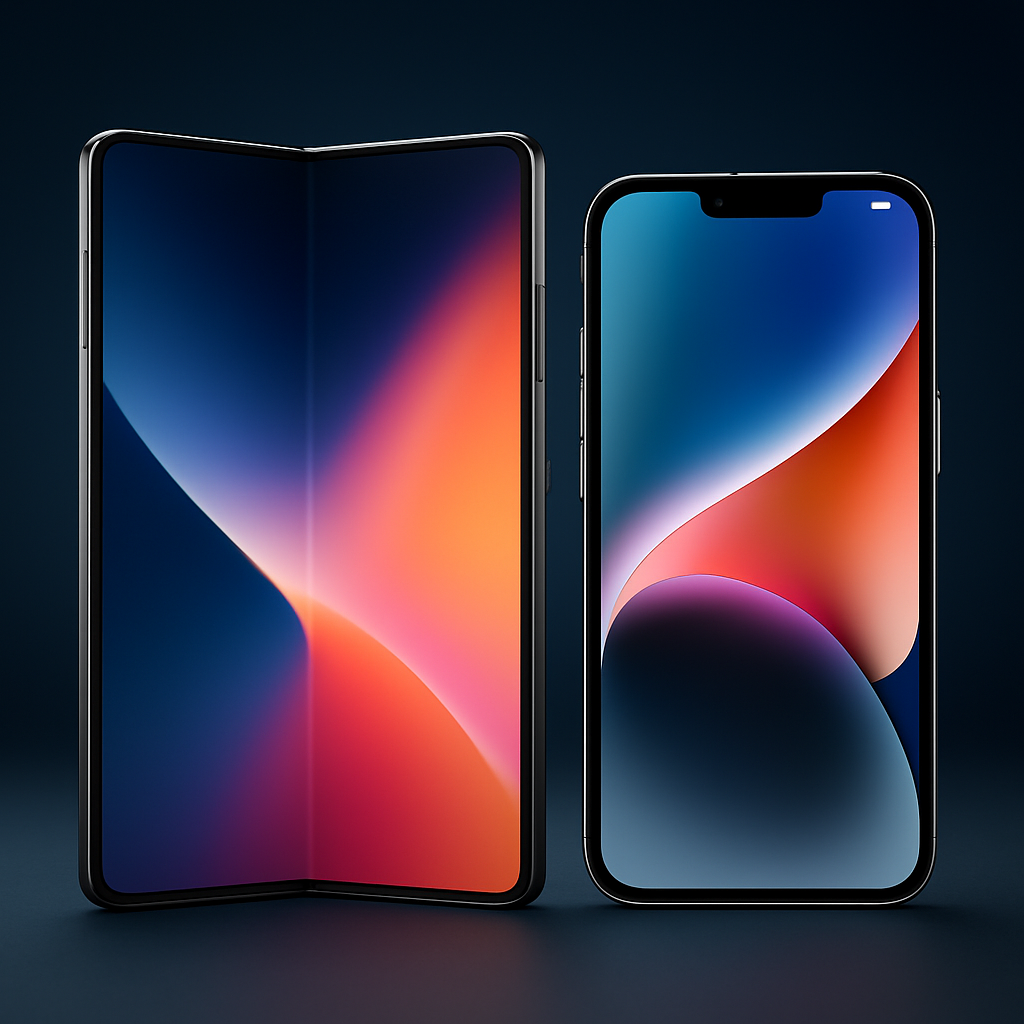
Samsung is reporting a notable sharp rise in interest for its Galaxy Z Fold 8 following Apple’s recent unveiling of the iPhone Duo. Company executives in the UK say that since the Duo’s launch, demand for the Fold series has climbed, with searches for Samsung’s foldables skyrocketing.
The UK Vice President for Samsung’s mobile division confirmed that purchases of the Galaxy Z Fold 8 lineup have increased by roughly 16% since its debut. Over the past month alone, active Google searches related to Samsung foldable devices are up nearly 300%. The boost in visibility and consumer activity appears strongly tied to Apple entering the foldable arena, causing ripple effects across the Android foldable landscape.
Price, Design, and Spotlight Shift the Foldable Market
Analysts believe Apple’s entry pushed foldables into mainstream conversation. For many users, simply seeing Apple embrace foldable form factors spurred curiosity about what Android competitors offer. Samsung’s value proposition—offering a premium design, established hardware, and now more affordable pricing—positions it well to capture those tentatively eyeing a switch.
The Galaxy Z Fold 8 retails for about $1,699, which undercuts the iPhone Duo’s pricing. Samsung’s direct sales channels have added another point of attraction: promotional discounts on higher-capacity models mean the Fold 8’s 1TB version can land just $50 above Apple’s base 256GB Duo model, making the Fold 8 not just a premium alternative, but a relatively better value in certain configurations.
What This Means for Foldable Adoption
Apple has long been speculated to enter the foldable field, but its confirmation with the Duo did more than introduce a new product—it legitimized the category for many skeptics. Samsung, for years a pioneer in foldable phones, is now benefiting from that legitimacy.
Though Microsoft, Google, and other Android OEMs have deepened their foldable efforts, Samsung still leads in brand recognition, reliability, and ecosystem maturity. The 300% spike in search activity suggests a wider — possibly less tech-savvy — audience is now weighing foldables. Samsung’s ability to convert that interest depends on supply, marketing, and user experience, especially compared to Apple’s entry.
Samsung’s Galaxy Z Fold 8 demand jump following the iPhone Duo highlights a larger pattern: when Apple moves into a segment, it can expand the entire market. For Samsung, this surge could define the next phase of foldable adoption — one where premium costs come down, design matures, and more users feel comfortable trying something new. What matters now is whether competitors can keep pace, and whether consumer expectations around durability, updates, and usability match the hype.